
Livraison le jour même ou le lendemain

Qualité garantie

Débloquez vos offres de bienvenue: Livraison GRATUITE | Jusqu'à -80 % | 30 jours d'essai gratuits à JoyPlus
Téléchargez l'application
Sweet potato snacks appeal with their vibrant colours, soft texture or promise of traditional recipes. However, two products with similar names can have completely different ingredients. Before filling your basket, take the time to check the ingredients list, salt content and format to make sure it really suits how you plan to use it.
Dehydrated or dried sweet potato generally remains soft and concentrated in carbohydrates, whereas sweet potato crisps can contain a significant amount of oil. For example, Be & Cheery Sweet Potato Crisps contain 53.5 g of fat per 100 g, compared with less than 0.5 g per 100 g in Chacha Hongyao Sweet Potato.
The word ‘crispy’ alone does not tell you how the product is made. Check the ingredients list for palm oil, vegetable oil or other fats.
A purple colour may indeed come from a purple sweet potato, but some products also contain sugar, glucose syrup, thickeners or preservatives. Appearance alone is not enough to judge the ingredients.
To find a natural snack, look for a short, easy-to-understand ingredients list. Chacha Hongyao, Bestore Dried Sweet Potato and Bestore Fresh-Steamed Dried Sweet Potato list sweet potato as their only ingredient. By contrast, Jiajianchengchu slices and strips contain sugar, glucose and several additives.
Sweet potato noodles, sweet potato vermicelli and sweet potato starch belong to the same family, but they are not used in the same way. Ottogi or Sunlee noodles need to be cooked or rehydrated. Gusong starch is added to a mixture to thicken a sauce, soup or dough.
Before choosing, always check for the words ‘ready to eat’ and read the preparation instructions.
For a simple snack, compare the proportion of sweet potato with the added ingredients. A recipe made solely with sweet potato offers a more pronounced flavour, but it is naturally high in carbohydrates and sugars after drying. Chacha Hongyao, for example, contains 248 kcal, 56 g of carbohydrates and 38 g of sugars per 100 g.
Sweet recipes, such as the maple syrup-flavoured Nongshim Sweet Potato Snack, combine wheat flour, sugar, oil, white sweet potato, pumpkin powder and sesame seeds. They are better suited to fans of an indulgent Asian snack, but do not meet the same need as dried sweet potato made with a single ingredient.
Compare the values per 100 g, rather than relying solely on the size of the packet. Bai Jia spicy and sour noodles contain 5.6 g of salt per 100 g, mainly because of the seasoning sachets. They therefore differ considerably from plain Ottogi or Sunlee noodles, which contain 0 g of salt per 100 g.
For crisps, the amount of fat becomes a key consideration. Xueji Crispy Sweet Potato Chips contain 36.7 g of fat and 16.3 g of saturated fat per 100 g. These figures allow you to make an objective comparison between a crispy texture and the softer texture of a dried strip.
A 55 to 150 g packet is ideal for trying the product or popping it into a bag. Formats from 200 to 500 g are better suited to sharing, family snack boxes or regular consumption. After opening, seal soft products carefully to prevent them from drying out. For some larger formats, the manufacturer recommends consuming them within a month or storing them in an airtight container.
Remember to check the allergens too: wheat, gluten, sesame and sulphites appear in several products. The absence of allergens cannot be inferred from the colour or product name; it must be clearly stated on the packaging.
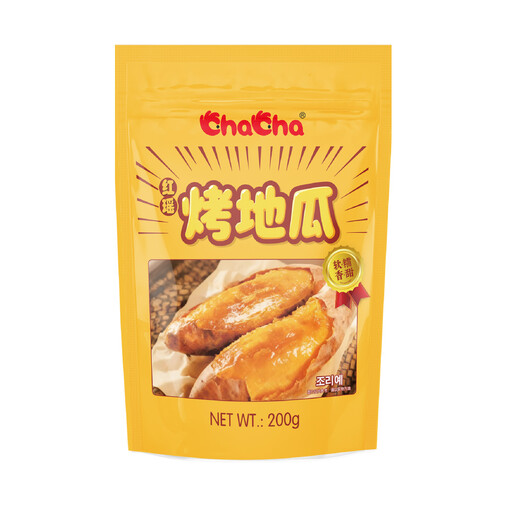
Why this choice suits this profile : At 200 g, this packet makes it easy to try the product. It has a soft texture and contains only sweet potato.
The product details list a single ingredient and make no mention of added sugar, preservatives or artificial ingredients.
A single ingredient, a 200 g format, a ready-to-eat product and 0.27 g of salt per 100 g according to the product details.
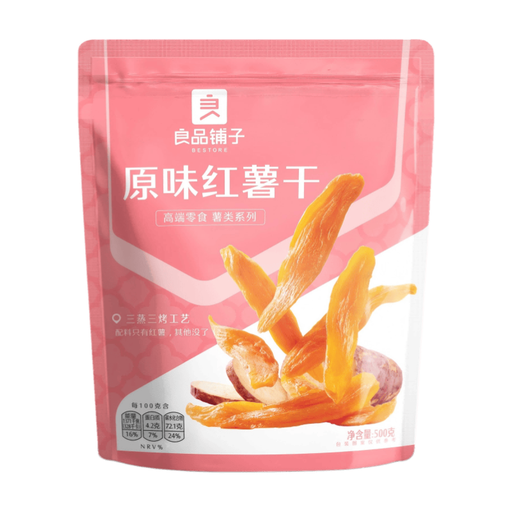
Why this choice suits this profile : Its large format is ideal for those who want to keep a supply at the office, for breaks or for sharing.
The product details list sweet potato as the only ingredient, with no added sugar or declared preservatives.
A 500 g format, a soft texture described as firm to the bite, and 323 kcal per 100 g.
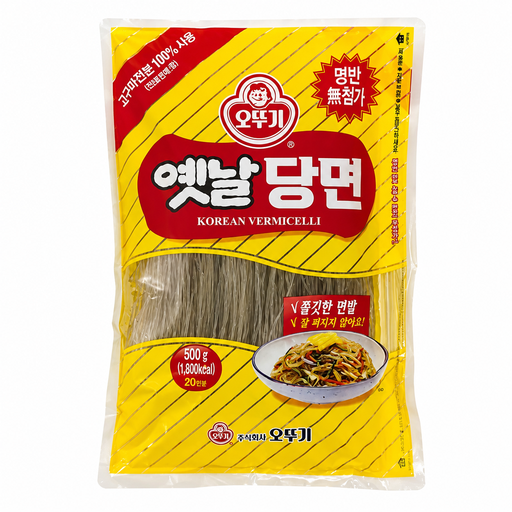
Why this choice suits this profile : A practical base for preparing japchae, soups, stir-fries and other Asian dishes to share.
It is clearly a cooking ingredient, rather than a ready-to-eat snack presented as one.
A 500 g pack, a soft and springy texture, and a base made from sweet potato starch. Preparation is done separately.
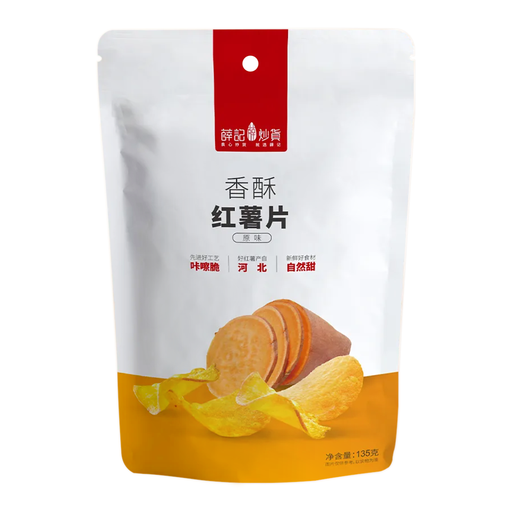
Why this choice suits this profile : This compact format is ideal when you fancy crisps to enjoy as they are, with drinks or during a break.
The product details specify the proportion of sweet potato, the oil used and the presence of a raising agent.
A 135 g ready-to-eat product made with at least 80% sweet potato, with no declared colourings or preservatives.
We have put together a complete, real-time updated list of products that meet these demanding selection criteria and European safety regulations.
No. Dried sweet potato has a naturally sweet flavour, but some recipes add sugar, glucose or maltose syrup. Crisps can also be low in sugar while being much higher in fat. Check the ‘carbohydrates of which sugars’ line and the full ingredients list.
Keep the packet in a cool, dry place away from sunlight. Seal it carefully after each use. For a family-sized pack, an airtight container will help preserve the soft texture for longer. Always follow the storage instructions on the packaging of the product you have purchased.
Sweet potato noodles and vermicelli are primarily cooking ingredients. Cook them according to the instructions, then add them to a soup, salad, stir-fry or Korean dish. If you want something to snack on straight away, choose a product explicitly described as ready to eat, such as dried strips or crisps.