Fans of sweet-and-savoury flavours
You’d like to add a little sweet soy sauce to fruit or a dessert, rather than using a classic salty soy sauce. Kikkoman, for example, lists desserts and fruit salad among the suggested uses for its sweet varieties.


To add a little sweet-and-savoury flavour to fruit or a dessert, choose a soy sauce that is explicitly labelled sweet, then check how its bottle dispenses the sauce. A pouring spout or measuring jug is not necessarily a squeezable bottle. Also compare the ingredients, nutritional information and storage instructions after opening.
You’d like to add a little sweet soy sauce to fruit or a dessert, rather than using a classic salty soy sauce. Kikkoman, for example, lists desserts and fruit salad among the suggested uses for its sweet varieties.
You prefer to pour gradually over a portion. Carrefour describes Suzi Wan as having a pouring spout and Kikkoman as coming in a practical measuring jug; if you specifically want a soft bottle you can squeeze, check that feature on the product you choose.
You compare sugars, salt and allergens before buying. The sweet varieties described by Carrefour include soy and wheat; the 150 ml Kikkoman jug also contains sulphites.
For a sweet dish, first decide whether you’re looking for a sweet-and-savoury flavour. Then check how the bottle you’re planning to buy dispenses the sauce, and read its label.
| What to consider | What to check | Who is it for? |
|---|---|---|
| Dispensing | Whether it has a confirmed pouring spout, measuring jug or squeezable bottle. | I want to add a very small amount to my portion without pouring too much. Around 36% of consumers put control over pouring first. |
| Sweet-and-savoury flavour | Whether it is labelled “sweet soy sauce” and whether the suggested uses suit the dish you have in mind. | For fruit or a dessert, I’m looking for a sweet-and-savoury note rather than a simply salty seasoning. Around 29% of consumers prioritise this flavour. |
| Ingredients and allergens | The ingredients list and allergens for the variety you’re buying, including wheat and any sulphites. | If I need to avoid a particular ingredient, what’s in the bottle matters more than its size. This is the top priority for around 21% of consumers. |
| Salt | The salt content on a like-for-like basis, per 100 g or per 100 ml, depending on the labels you’re comparing. | I want to compare salt levels even if the sauce is labelled “sweet”; the flavour I’m looking for matters too. Around 14% of consumers put salt first. |
A pouring spout or measuring jug can make serving sauce easier, but that doesn’t mean the bottle is soft and squeezable. Carrefour describes Suzi Wan as having a pouring spout and Kikkoman as coming in a practical measuring jug.
If a squeezable bottle is essential, look for an explicit description or a clear image of the packaging for the product being sold.
The word “sweet” describes the recipe, not its overall nutritional values. According to Anses, sauces and condiments are among the dietary sources of sodium.
Compare sugar and salt levels on a like-for-like basis, per 100 g or per 100 ml. A reduced-salt sauce should also match the flavour you want.
The sweet sauces described by Carrefour also contain wheat, while the 150 ml Kikkoman jug contains sulphites. Check the ingredients for the exact variety you’re considering.
Read the ingredients list and allergen information on the bottle you choose. Don’t assume they’re the same as those for a different size or brand.
Storage requirements vary by product. Auchan, for example, says that its reduced-salt Tanoshi soy sauce must be refrigerated after opening and used within a month.
Before choosing a bottle size, check the storage temperature and how long it keeps, as stated on the packaging.
Kikkoman offers sweet soy sauces for dishes including desserts. Carrefour describes its 150 ml jug as suitable for measuring out sauce for a fruit salad.
Carrefour lists a 143 ml bottle of sweet Suzi Wan soy sauce with a pouring spout.
Carrefour lists sweet Carrefour Sensation soy sauce in a 125 ml bottle.
Auchan lists a 200 ml reduced-salt Tanoshi soy sauce, described for savoury dishes.
Auchan lists salty soy sauces for sushi, marinades and stir-fries, among other uses.
These four sweet soy sauces come in sizes from 150 to 220 ml and are worth considering if you’re after a little sweet-and-savoury flavour. Before choosing one for breakfast, check how each bottle dispenses the sauce, its ingredients and whether its suggested uses suit you. The name alone doesn’t confirm that it’s a squeeze bottle.
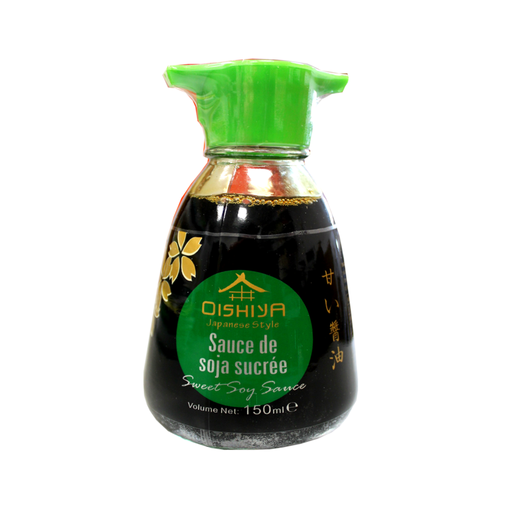 Image unavailable
This 150 ml size could be a good way to try a small amount of sweet soy sauce. If you plan to serve it with fruit or a dessert, check that the flavour and dispensing method suit your needs. Also check the storage instructions after opening.
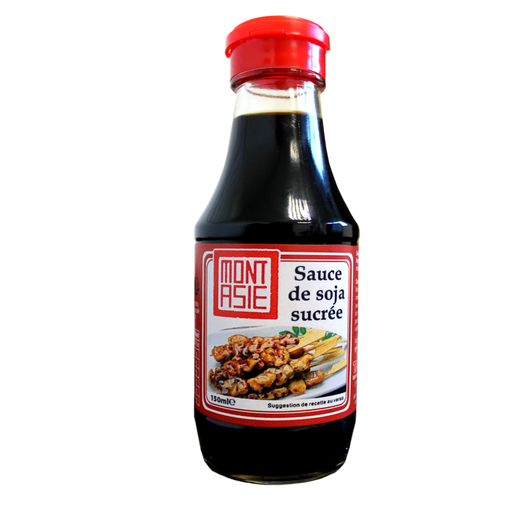 Image unavailable
This 150 ml sweet soy sauce is another small-size option for occasional use. For a sweet dish, check the ingredients list and dispensing method on the exact bottle you’re considering. Also read the storage instructions after opening.
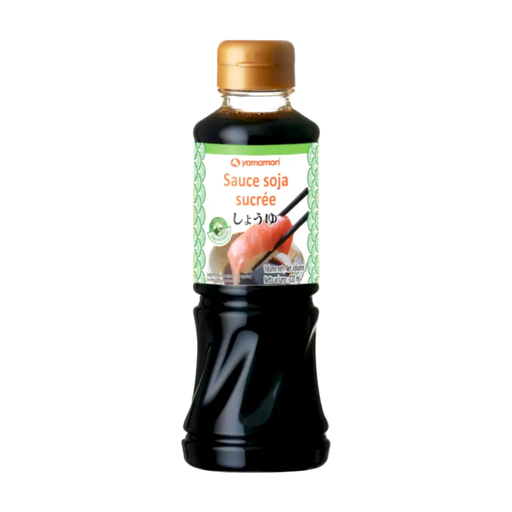 Image unavailable
You can compare the 220 ml size with smaller bottles, depending on how much you’re likely to use. If you mainly want to add a few drops to a dessert, check how the bottle dispenses the sauce before buying, along with the ingredients and storage instructions after opening.
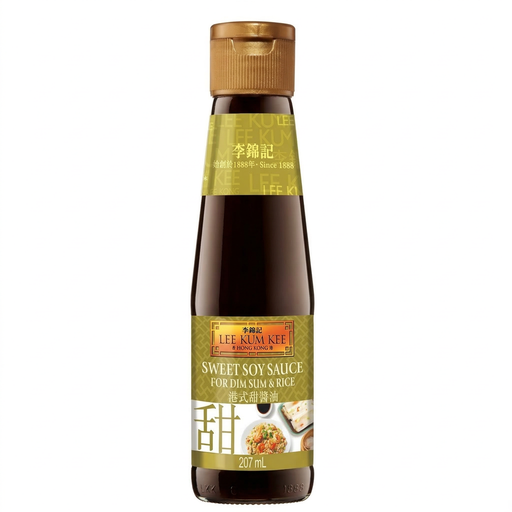 Image unavailable
This 207 mL sweet soy sauce can be compared with other sizes if you’re considering occasional use. Check that its flavour and dispensing method suit your dish. Before choosing this size, check the packaging for instructions to use immediately after opening.
If you’re looking for a sweet-and-savoury flavour with fruit or a dessert, start by considering a sauce that’s explicitly labelled sweet. Kikkoman lists desserts and fruit salad among the suggested uses for its sweet varieties, but check that the flavour of the bottle you choose works with your dish.
No. A spout describes how the sauce is poured; it doesn’t necessarily mean the bottle is soft and squeezable. Carrefour describes Suzi Wan as having a pouring spout and Kikkoman as coming in a practical measuring jug. If you want a squeeze bottle, confirm this feature for the product you’re buying.
Check the allergen information for the exact bottle you’re considering. The sweet varieties described by Carrefour contain soy and wheat, while the 150 ml Kikkoman jug also contains sulphites. According to the DGCCRF, allergens present in pre-packed food must be highlighted in the ingredients list.
Yes. A “sweet” label doesn’t mean you can skip the nutritional information, particularly the sugar and salt levels. Compare figures on a like-for-like basis, per 100 g or per 100 ml. Anses notes that sauces and condiments are among the dietary sources of sodium.
Follow the instructions on the bottle you buy, as they vary by product. Auchan, for example, says its reduced-salt Tanoshi sauce should be refrigerated after opening and used within a month. Check the instructions for any other product before choosing a bottle size.