
Livraison le jour même ou le lendemain

Qualité garantie

Débloquez vos offres de bienvenue: Livraison GRATUITE | Jusqu'à -80 % | 30 jours d'essai gratuits à JoyPlus
Téléchargez l'application
Biscuits, milk chocolate, cereal bars or protein snacks – there’s no shortage of choice, but the packaging doesn’t always tell the full story. A bar labelled “energy” can be very sugary, while a “sugar-free” product sometimes relies on sweeteners that should be consumed in moderation.
To choose sweet snacks and protein bars that suit your habits, it’s better to look at the nutritional values, the size and the ingredient list rather than relying on marketing claims.
A protein bar generally contains more protein than a standard cereal bar. That doesn’t mean it will automatically be suitable before or after a workout. Some are high in polyols, fats or sweeteners, and their texture isn’t to everyone’s taste.
Energy bars, on the other hand, tend to focus on carbohydrates. They can be useful during a hike, a long outing or before physical activity, but they don’t replace a full meal.
“Sugar-free”, “high in fibre” or “with cereals” isn’t enough to judge a product. Look at the full nutritional panel: energy, fat, saturated fat, carbohydrates, sugars, fibre, protein and salt.
For example, Panpan Low GI Sugar-Free Oat High-Fiber biscuits have 10.6 g of protein and 11.7 g of sugars per 100 g, but also contain maltitol. The label states that sweeteners may have a laxative effect if consumed in excess.
Filled biscuits, chocolates and bars may contain milk, soya, peanuts, nuts, cereals containing gluten or eggs. People with allergies should also take note of the “may contain traces of” statement.
Packaging also plays a role. Individual portions slip easily into a work bag or a lunchbox for a snack. Conversely, a large packet is better suited for family consumption, as long as you keep an eye on the quantities.
To compare two products, start with the values given per 100 g, then look at what a single portion actually represents. A 40 g bar may seem low in calories, whereas a packet of biscuits nibbled throughout the day quickly adds up.
Some benchmarks from this selection:
These figures don’t make one product “better” in absolute terms. They mainly help you choose the option that best fits when you’ll be eating it.
Ingredients appear in descending order by quantity. For chocolate, check for cocoa mass or cocoa butter, milk and nuts. For chocolate cereals and cereal bars, look at where glucose syrup, sugar and vegetable oils appear on the list.
LU Grany Noisette bars contain 39% cereals and 15% hazelnuts, with 454 kcal and 18 g of sugars per 100 g. LU Grany Apple bars contain 12% apple pieces and have 410 kcal per 100 g.
At the office, on public transport or in a lunchbox, individual wrappers limit crumbs and make portion control easier. Oreo biscuits in 97 g packs are easy to carry, but they remain a treat from a nutritional standpoint: around 484 kcal per 100 g, depending on the variant.
For a family, a 375 g pack of TRESOR cereal or a box of bars can be more practical. For sport and outdoor activities, boxes of 12 CLIF bars give you several snacks on hand. Just remember to check the best-before date and storage conditions.
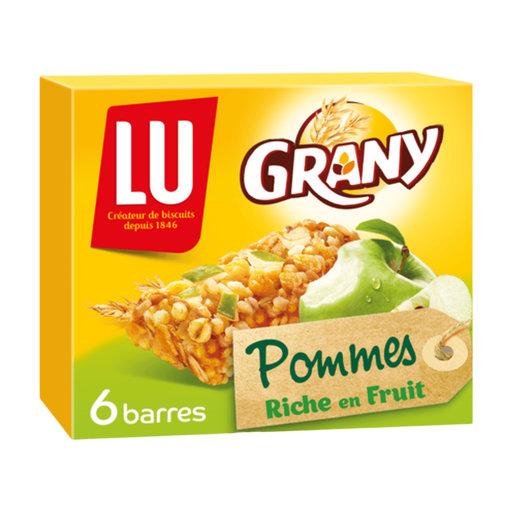
Why this choice suits this profile: at 125 g, this format is ideal for an on-the-go snack or a break at the office, without having to buy a bulky packet straight away.
The product page details the values per 100 g and notes the presence of sorbitol. So you’re not relying solely on the “cereals” claim highlighted on the packaging.
12% apple pieces, 4.3 g of fibre and easy-to-carry packaging.
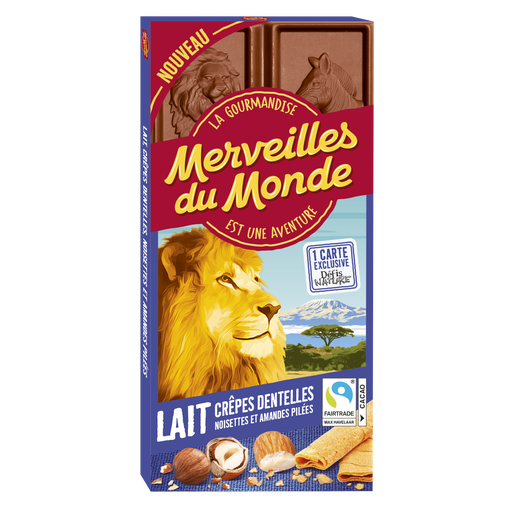
Why this choice suits this profile: this 100 g tablet combines milk chocolate with almond and hazelnut pieces, plus a crispy wafer texture.
The 100 g format makes comparison easy and allows you to share the tablet, rather than letting portions pile up in a large pack.
34 g of fat, 48 g of sugars and 7.8 g of protein per 100 g – clear information for an occasional treat.
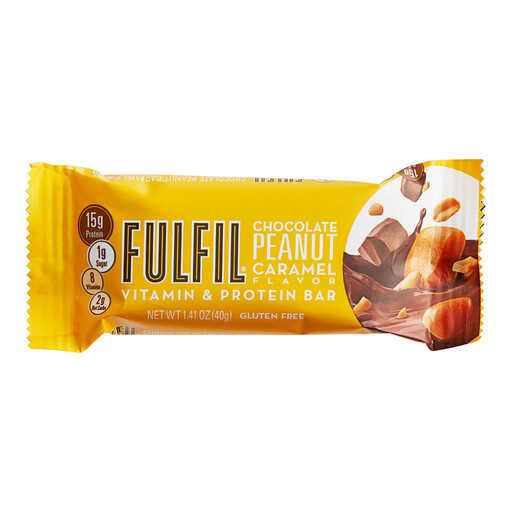
Why this choice suits this profile: the individual 40 g bars fit easily into a gym bag or desk drawer, so you can have a snack ready between activities.
The portion is clearly defined and the product page separates sugars from polyols: 1 g of sugars and 7 g of polyols per bar.
15 g of protein per bar, individual wrapping and vitamins listed on the product page.
A cereal bar is typically made from flakes, puffed cereals, syrup or fruit. A protein bar contains a higher proportion of protein, often from milk or soya. Always check the value per portion, as the weight can vary significantly from one bar to another.
It depends on your overall diet, the product you choose and how much you consume. A bar can be a convenient snack, but it doesn’t systematically replace a meal. Remember to vary your food sources and keep an eye on polyols, allergens and salt.
Most should be kept in a dry, cool place away from direct light. After opening, reseal the packet properly to keep them crisp. For heat-sensitive products like milk chocolate, follow the storage temperature stated on the packaging and check the date before eating.