
Livraison le jour même ou le lendemain

Qualité garantie

Débloquez vos offres de bienvenue: Livraison GRATUITE | Jusqu'à -80 % | 30 jours d'essai gratuits à JoyPlus
Téléchargez l'application
Ordering your sweet groceries online is a real time-saver, whether you're preparing kids' snacks, treating yourself to a well-deserved coffee break, or finding the perfect gourmet gift. But with a multitude of options, it's hard to know where to start. Between eye-catching packaging and slick marketing, the reality can sometimes be far less satisfying.
As a product selection expert at Joybuy, my mission is to help you see things more clearly. Here are the most common pitfalls to avoid and the essential criteria to check before confirming your cart.
To make the right choice, nothing beats objective information. Here are two essential points to scrutinize for your chocolates and biscuits.
The ingredients list is ordered by decreasing quantity. If sugar (or one of its derivatives like glucose syrup) is at the top, it's the main ingredient.
The displayed price isn't everything. To compare two products fairly, the price per kilo or per unit is the most reliable indicator. This information, which is mandatory on e-commerce sites, allows you to:
To illustrate these criteria in practice, here are a few products that meet very specific needs.
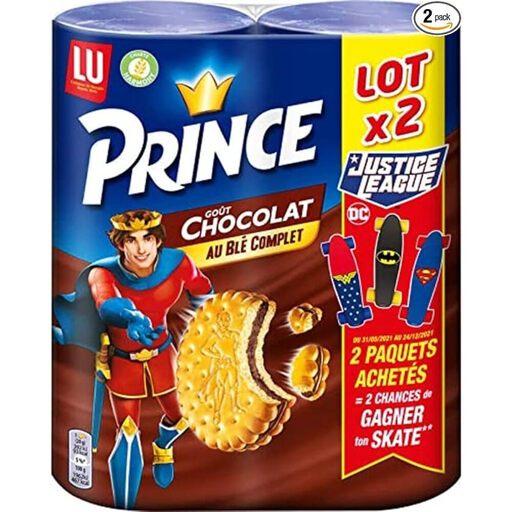
Why it's a good choice: Ideal for families looking for a practical and reliable snack solution. This double pack simplifies stock management and guarantees a treat that kids love.
The 600g twin-pack provides a clear price-per-kilo reading, helping you avoid the trap of more expensive individual formats. A smart choice for a controlled budget.
A classic snack that includes whole wheat flour (7.7%) for a little extra fibre. Its economical format is perfect for regular consumption.
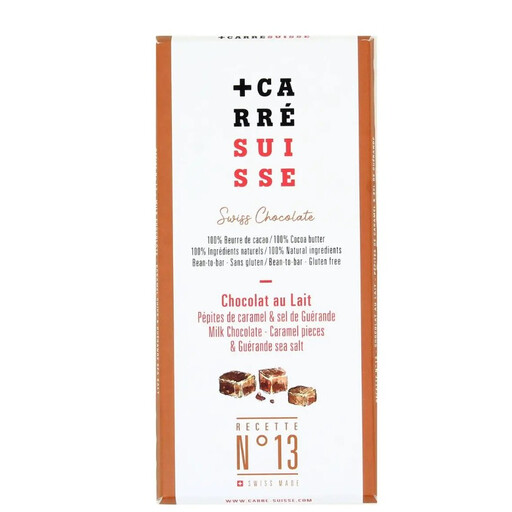
Why it's a good choice: For those seeking a more refined tasting experience. The combination of creamy milk chocolate, crunchy caramel, and a hint of Guérande salt makes it the perfect bar for a true moment of indulgence.
Here, the "organic" label isn't just a marketing claim; it's confirmed by the ingredients list. The composition (cocoa butter as the second ingredient) and origin (Guérande salt) justify its premium positioning.
A perfect balance of sweet, salty, and creamy. The ingredient sourcing (Swiss chocolate, French salt) is a true mark of quality.
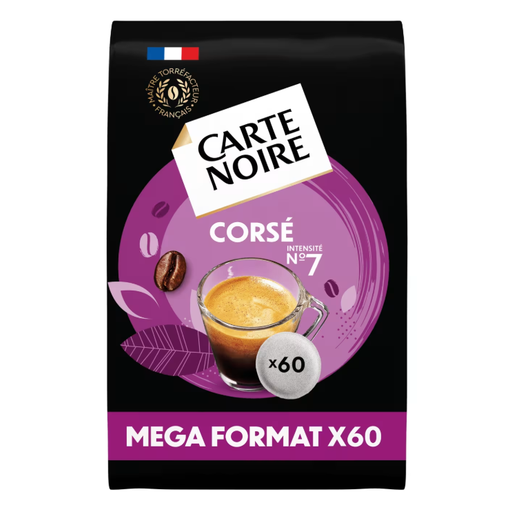
Why it's a good choice: Perfect for lovers of intense coffee who own a Senseo machine. This 60-pod format is ideal for daily use, both at home and in the office, combining quick preparation with consistent taste.
The 60-pod pack makes it easy to calculate the cost per cup, ensuring perfect budget control. The intensity (7/10) is clearly displayed, preventing any unpleasant surprises for fans of full-bodied coffee.
Senseo compatibility guarantees maximum ease of use. The 100% Arabica coffee offers a rich aromatic profile without pronounced bitterness, a decisive criterion for connoisseurs.
Discover our full selection of products that meet our quality criteria and current regulations.
To preserve their texture and flavours, store them in a cool (between 16 and 18°C), dry place, away from light and strong odours. Once the package is opened, an airtight container is ideal. Above all, avoid the refrigerator for chocolate: the humidity alters its appearance and taste (it turns white).
It's all in the composition. A 70% dark chocolate contains at least 70% cocoa (mass and butter) and sugar. Milk chocolate, on the other hand, contains less cocoa but also milk powder, which gives it its sweetness and creamy texture.
Absolutely. These labels adhere to very strict European and French guidelines. The "AB" logo or the Euroleaf symbol guarantees that a product contains at least 95% organic ingredients. Similarly, the "gluten-free" claim is regulated to be suitable for people with celiac disease. In any case, the best practice is always to read the full ingredients list to check for other allergens.