
Livraison le jour même ou le lendemain

Qualité garantie

Débloquez vos offres de bienvenue: Livraison GRATUITE | Jusqu'à -80 % | 30 jours d'essai gratuits à JoyPlus
Téléchargez l'application
Sweet biscuits and snacks from around the world are perfect for discovering Japanese, Korean, Chinese or Thai flavours without leaving the UK. But a colourful packet or a well-known name isn't always enough to make the right choice. Between small formats, very sugary recipes and allergens that can be tricky to spot, some purchases can disappoint from the very first bite.
A product marketed as "sugar-free" or "light" can still contain carbohydrates and sugars. For example, Oreo Zero Sugar Thin Biscuits with a floral rose flavour indicate 35g of sugars per 100g in the information provided. So the brand name doesn't let you off checking the label.
An individual packet of 40 to 55g is fine for a quick break on the go, but its price per weight can be significantly higher than that of a family assortment. Conversely, a 187 to 500g format requires good storage conditions after opening. For an occasional treat, compare the net weight, the number of servings and the price per kilogram.
Chocolate biscuits, filled biscuits, wafers and biscuit sticks often contain wheat or gluten, milk, soya, eggs or nuts. Some imported recipes may also contain more surprising ingredients, such as shellfish in certain Japanese products. Before ordering, always check the ingredients list and any allergen trace warnings.
The origin gives an indication of the product's style, but it doesn't guarantee it will suit your taste. Japanese biscuits, such as Pocky Glico or Collon, often focus on slim formats, a crunchy texture and a creamy coating. Korean specialities may go for a soft, chewy texture, for example with a rice paste centre. As for Thai snacks, they tend to alternate between sweetness, chilli and spices.
To refine your choice, look out for the following terms:
To compare products properly, use a common base. The products on offer typically show between 400 and 560kcal per 100g, with a sugar content that varies depending on the filling and coating. A chocolate-filled biscuit or a milk wafer will often be higher in fat than a plain biscuit, but only the label can confirm this.
Look primarily at energy, fat, saturated fat, carbohydrates (of which sugars) and salt. This information allows you to compare products, but does not constitute medical advice.
An unopened packet should generally be kept in a cool, dry place away from direct light. After opening, some small formats need to be eaten quickly to keep their crunch. For sharing biscuits, choose resealable packaging or transfer them to an airtight container. The best-before date on the packaging is the reference to check.
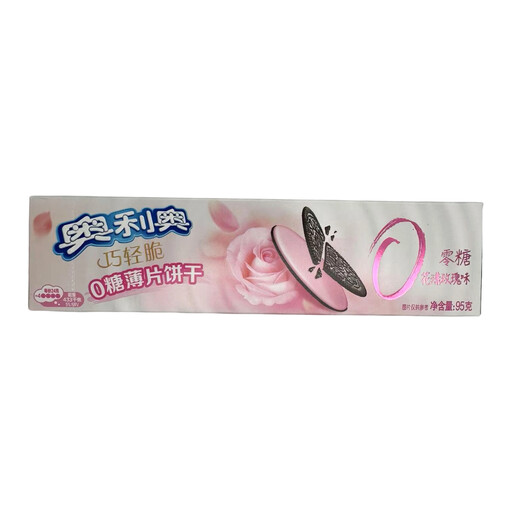
Why this choice suits this profile: At 95g, this packet lets you discover a floral flavour without investing in a large assortment.
The product page clearly states the weight, Chinese origin and the presence of wheat and milk. However, the term "Zero Sugar" is worth checking in the nutritional table.
A thin biscuit with a rose flavour, perfect for enjoying with a cup of tea or coffee.
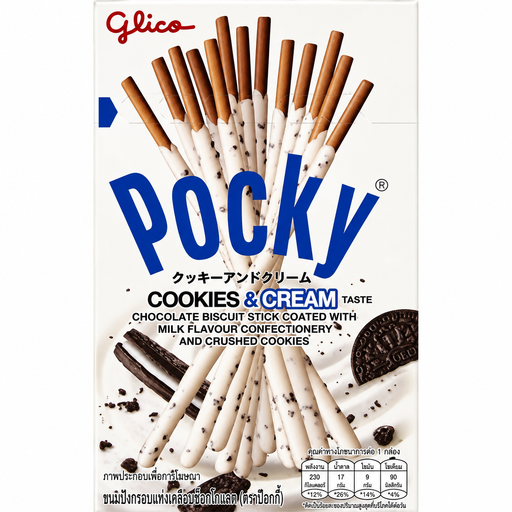
Why this choice suits this profile: The coated sticks offer a neat presentation and an individual format that's easy to serve with a hot drink.
At 40g, the format limits over-purchasing. The presence of wheat, milk and soya is stated, making it easy to check before ordering.
Crunchy sticks, a cookies and cream coating, and very convenient packaging.
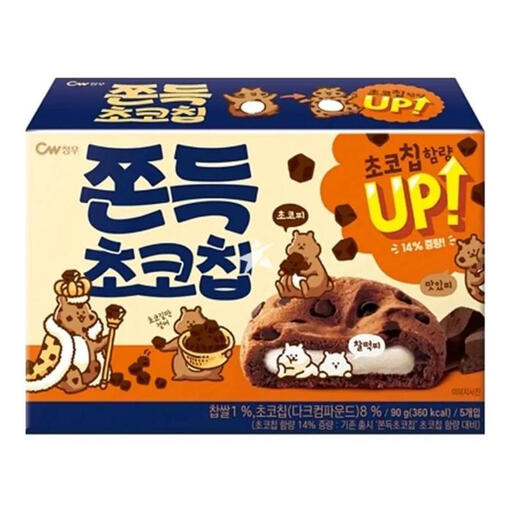
Why this choice suits this profile: The individually wrapped portions slip easily into a bag for commutes, the office or several breaks throughout the day.
The texture is clearly stated: a soft biscuit with a rice paste centre. The product page also mentions milk and wheat, information to check if you have an allergy.
A 90g format, Korean origin and a chocolatey combination with a mochi-style texture.
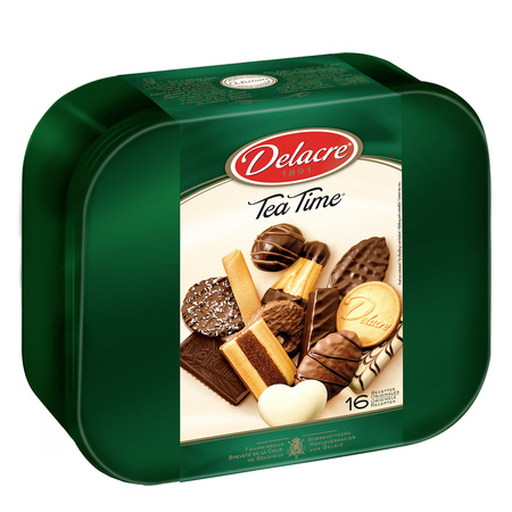
Why this choice suits this profile: This large format brings together several textures and flavours for a teatime treat or a coffee break with others.
The assortment lets you vary your treats without accumulating lots of small packets. The allergens listed include milk, eggs, soya, nuts and gluten.
500g of biscuits, with dark, milk and white chocolate, in a format designed for sharing.
We've put together a comprehensive, real-time updated selection of products that meet these strict criteria, while complying with European safety regulations.
Start with a small format, such as Pocky Glico, Glico Collon or Meito Pukupukutai. This way you can compare a wafer, a stick and a rolled biscuit without ending up with a large stock. The chocolate, strawberry, cream or cookie flavours can then guide your next discoveries.
Seal the packet carefully and store it in a dry place at room temperature, away from heat. For sharing biscuits, an airtight container will help prevent them from going soft. Individual formats, such as some Nutella, Kinder or Milka biscuits, make it easier to store them portion by portion.
Not necessarily. Compare the price per kilogram, the number of servings and the composition of the assortment. A large packet of Delacre or Granola Kango can be good value for sharing, while several small snacks will be more practical to carry. The best choice therefore depends on the intended use, not just the price shown.