
Livraison le jour même ou le lendemain

Qualité garantie

Débloquez vos offres de bienvenue: Livraison GRATUITE | Jusqu'à -80 % | 30 jours d'essai gratuits à JoyPlus
Téléchargez l'application
The secret to authentic Peking duck or a perfect bowl of zhajiangmian noodles? It often comes down to a single ingredient: the sauce. Known as sweet bean sauce, Tianmian sauce, or sweet soybean paste, this condiment is a cornerstone of Northern Chinese cuisine. With its unique sweet and savory flavor, it's simply irreplaceable.
But here's the challenge: between soy-based and wheat-based sauces, ready-to-use and cook-in pastes, the Asian food aisle can quickly become overwhelming. To help you make the right choice, we've analyzed the labels and selected the best options available right now.
To find the perfect one, a few simple criteria are all you need to decode the labels and make a confident choice.
The first step? Take a look at the ingredient list, as it dictates the flavor profile.
In short, the ingredient list is your best guide to anticipating the taste.
How you plan to use it in the kitchen is just as crucial.
A quick look at the usage tips on the jar will save you from any kitchen mishaps.
In terms of practicality, the jar size matters. For a first-time try or occasional use, a 180g format is perfect. If Peking sauce is already a staple in your stir-fries, marinades, and hot pots, a 450g jar (or larger) will be much more cost-effective. Don't forget to check the storage instructions after opening: most of these sauces should be kept refrigerated.
We've chosen three sauces that cater to very different needs, from the search for the most authentic flavor to the most convenient solution.
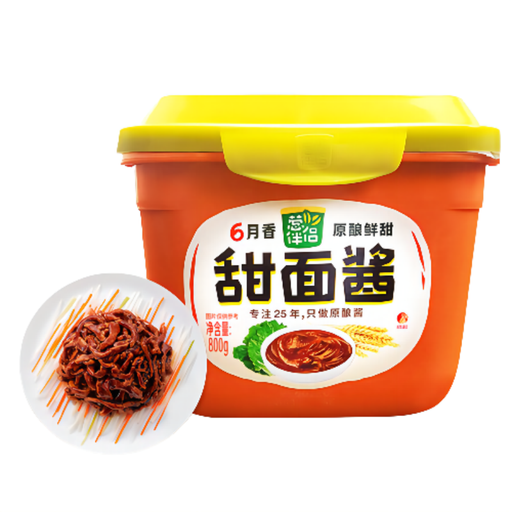
Highlights This sauce goes all-in on soy with an original fermented recipe containing 26.5% soybeans. The result? A powerful aroma and a perfectly mastered sweet-savory balance. Its smooth texture makes it ready to use, hassle-free.
Pros
Best for? Those looking to recapture the authentic, deep flavor of soy, especially to elevate Peking duck or spring rolls. Its versatility makes it an excellent all-purpose sauce.
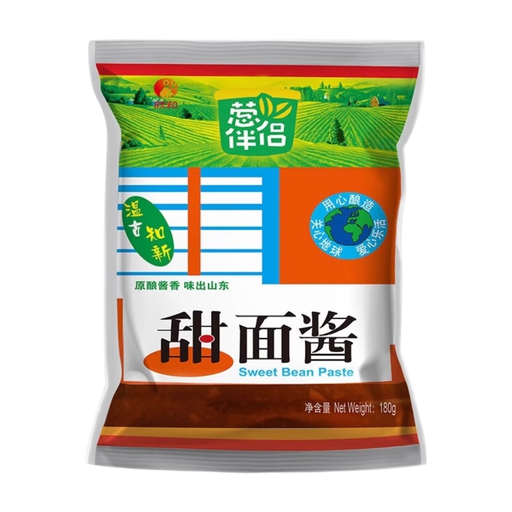
Highlights Made from wheat flour and non-GMO soybeans, this traditional sauce is designed for cooking. It reveals its full potential when worked in a pan, making it an ideal base for customizing your own sauce, particularly for zhajiangmian noodles.
Pros
Best for? Cooks who like to get hands-on and control their seasoning from start to finish. It's perfect for recipes where the sauce needs to be simmered, like the ground pork topping for Peking-style noodles.
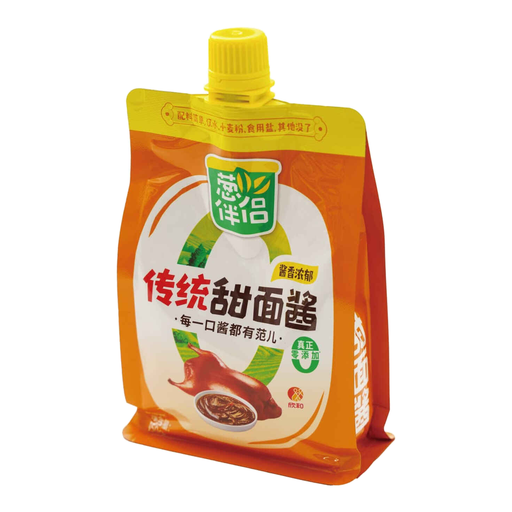
Highlights This Tianmian sauce focuses on simplicity and tradition with a fermentation based on high-quality wheat. Its ingredient list is ultra-short: water, wheat flour, and salt. That's it! With no preservatives or sweeteners, it offers a naturally sweet-savory taste and a very distinct wheat aroma.
Pros
Best for? Those who scrutinize long ingredient lists and prefer clean, natural products. Its generous size is perfect for families and Chinese cuisine enthusiasts who use it regularly.
Our selection is just a taste of the richness of Chinese condiments. To discover other brands, different formats, or sauces with more specific flavor profiles, feel free to browse our full range.
Discover the full range of sweet bean sauces
They're often confused because of their dark color and sweet-savory flavor, but they are not the same. Sweet bean sauce (Tianmian) is made from fermented soybeans and/or wheat flour. Hoisin sauce also starts with a soy base, but sweet potato, garlic, vinegar, and a blend of spices are added. The result: a more complex, often spicier, flavor.
Once opened, it belongs in the refrigerator! Ideally, store it between 0°C and 4°C (32°F and 40°F) and use it within a few weeks. It's best to follow the specific instructions on the packaging.
Absolutely! Sweet bean sauce is a true Swiss army knife in the kitchen. It's the star ingredient in zhajiangmian noodles, but it's also fantastic as a marinade for pork or chicken, as a glaze for grilled meats, or simply added to a wok to give depth and a sweet-savory touch.