People taking a single portion with them
If you want to keep a treat in your desk drawer or take one to a meeting, you need to know the portion size and check whether the bar has its own wrapper. The word “mini” doesn’t answer that question.


For a solo snack at work, choose a bar with a portion size and packaging that suit your needs. “Mini” or a number of pieces on the pack doesn’t mean each piece is individually wrapped. Then compare the ingredients, allergens and sugars per portion. If you’re stocking up, also check how many portions can be taken separately.
If you want to keep a treat in your desk drawer or take one to a meeting, you need to know the portion size and check whether the bar has its own wrapper. The word “mini” doesn’t answer that question.
Before choosing a recipe for yourself or a shared space, check the ingredients, allergens and nutritional information for the variant you’re buying.
Compare the number of bars, the range of flavours and how each unit is packaged. A large bag of mini bars won’t necessarily serve the same purpose as a multipack of individually wrapped bars.
For an individual snack at work, start by checking the packaging of the variant you’ve chosen, then look at its label and the number of portions you plan to keep or share.
| What to consider | What to check | Who is it for? |
|---|---|---|
| Single portion | Check the portion weight and look for a clear statement confirming that each bar is individually wrapped. | When I take a bar from my desk drawer to eat on the go without opening a shared bag, its packaging matters just as much as its size; around 42% of consumers prioritise this individual format. |
| Ingredients and labelling | Read the ingredients and allergen information for the variant, then compare sugars per 100 g and, if shown, per portion. | In a shared space, I want to be able to rule out a recipe that isn’t suitable for the person who’ll eat it; ingredients are the top priority for around 33% of consumers. |
| Office stash | Count the portions and confirm how many can be taken separately; check that the product you’ve chosen is available. | When stocking a shared stash, I mainly need to know how many separate snack breaks the pack will provide. Around 25% of consumers put this practical consideration first. |
On Auchan’s Snickers Minis product page, the “Individual bags” feature is listed as “No”. The product page for Gayelord Hauser fruit pastes, however, gives conflicting information about the packaging.
If you need to carry one piece without opening the shared pack, check the packaging details for the variant you’re buying.
Pieces without individual wrappers may be less convenient to keep in a desk drawer or share with colleagues.
Ingredients vary between recipes. Auchan’s Snickers Minis product page lists peanuts, milk, soya and egg, among other ingredients; this information doesn’t apply to all chocolate bars.
Read the allergen information for each variant before buying for a group, rather than relying on the brand or product range name.
A fruit bar isn’t necessarily low in sugars: Auchan’s product page for Gayelord Hauser fruit pastes lists 69 g of sugars per 100 g for this product.
To compare two recipes, use the same measure, such as sugars per 100 g, then check the amount in the portion you’ll eat.
Its chocolate bar category includes multipacks listed by the number of bars, including a Carrefour product with 10 × 21 g bars.
Its Marque Repère/Grainea category includes cereal bars sold in multipacks of six.
The product pages we checked for mini chocolate bars and fruit pastes offer a way to compare different recipes.
The retailer lists chocolate and chocolate bars in its dedicated category.
Its chocolate bar category includes assortments of mini bars and filled bars.
This selection includes fruit and nut bars, mini chocolate bars, a hawthorn bar, a multipack of blueberry bars and a chocolate bar. If you want a single snack to take with you, check the packaging of the variant you choose.
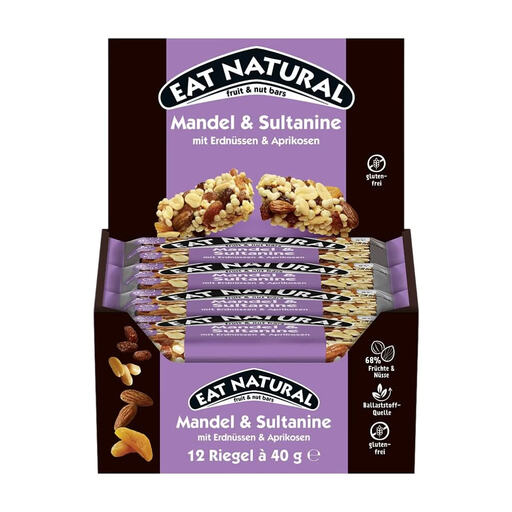 Image unavailable
For a 40 g fruit and nut snack, check that the multipack packaging suits your needs if you want individually wrapped bars. The information for this product lists peanuts and almonds: check the label before putting it in a shared space.
 Image unavailable
This multipack of mini chocolate bars is a good option if you want smaller portions to enjoy one at a time; check how they’re wrapped in the variant you buy. The information for this product lists milk, wheat and soya. Check the pack if sugars per piece are important to your comparison.
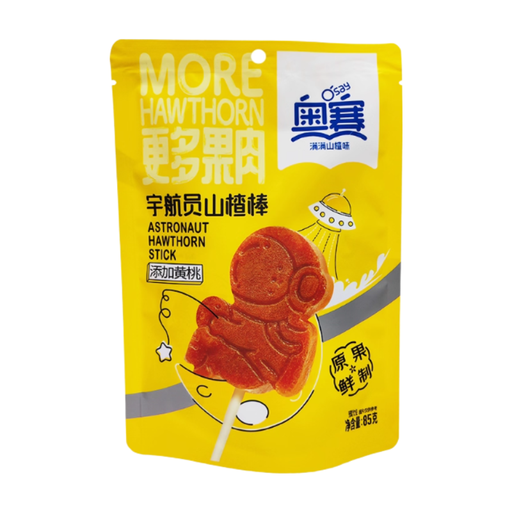 Image unavailable
If you fancy a change from chocolate-based recipes, check the number of pieces and how they’re wrapped before buying this hawthorn product. The information provided lists 66.9 g of sugars per 100 g; check the weight of each piece to work out the portion you’ll have.
 Image unavailable
This multipack gives you a set weight for each bar, making it useful for stocking up at work. If you need to take the bars separately, check the packaging on the pack. The information for this variant lists soya, barley, almonds and milk, among other ingredients.
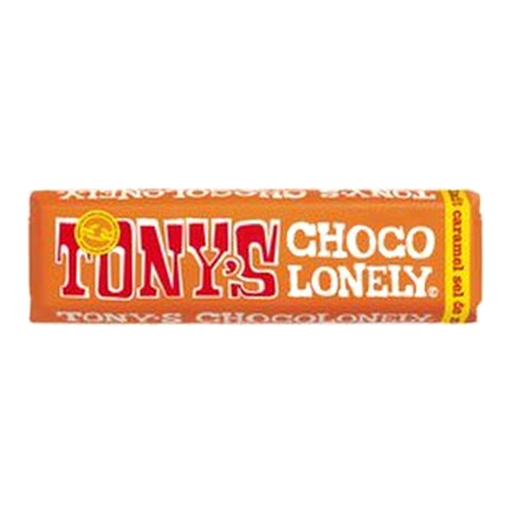 Image unavailable
This 47 g bar is a good choice if you’re after a chocolate portion rather than an assortment of mini bars. Check the packaging of the product being sold if you plan to take it on its own; the information for this variant lists milk and soya, and it may also contain traces of gluten, egg and nuts.
No, the term alone doesn’t identify a bar. Carrefour search results for “dragées” include chocolate-covered almonds, sweets and chewing gum. If you’re looking for a bar to snack on, specify the category you want, then check the product’s packaging.
Look for a clear statement on the pack for the variant you’ve chosen, rather than relying on the word “mini” alone. Auchan’s Snickers Minis product page says “Individual bags: No”; the page for Gayelord Hauser fruit pastes gives conflicting information. In the latter case, check the pack before assuming the portions are individually wrapped.
Start with the product name, ingredients, net quantity and nutritional information, particularly sugars per 100 g. The DGCCRF lists these among the required food labelling details, while Service Public reminds consumers that allergens must be highlighted. If you’re choosing a portion to take with you, check its weight and packaging too.
A sweet bar on its own isn’t enough to assess whether a meal is balanced. For a tasty snack, choose based on the portion size, ingredients and sugars in the recipe, rather than assuming its nutritional qualities from the category alone.