
Livraison le jour même ou le lendemain

Qualité garantie

Débloquez vos offres de bienvenue: Livraison GRATUITE | Jusqu'à -80 % | 30 jours d'essai gratuits à JoyPlus
Téléchargez l'application
Sweet almond products are loved for their comforting scent and gentle image. But a pretty label isn't enough when choosing a shower gel, soap, laundry detergent or baby care product. The ingredients, how you use it and the format all play a direct role in how useful the product really is.
The term "sweet almond" can refer to an oil, an extract, almond milk or simply a fragrance note. On its own, it doesn't mean a product is suitable for sensitive skin. If you're prone to reactions, you need to check the ingredients list and look out for any perfume or fragrant allergens.
A sweet almond shower gel might, for example, be based on a standard cleansing formula with almond extract added. The fragrance and natural origin of some ingredients don't mean you can skip checking the composition.
Claims like natural products and hypoallergenic products need to be interpreted carefully. A so-called hypoallergenic formula is generally designed to reduce the risk of a reaction, but it doesn't guarantee you won't have an allergy. Tolerance varies from person to person.
For a baby, it's best to keep things simple: check the minimum age stated on the packaging and avoid any contact with the eyes. If redness or irritation occurs, stop using it immediately and seek advice from a healthcare professional if needed.
A big bottle of laundry liquid or washing-up liquid might seem more economical. However, using too much increases consumption and can leave residue. Compare the number of washes, the actual usable volume and the manufacturer's recommendations, rather than just looking at the price.
The refillable format also deserves a proper check: it needs to be compatible with the bottle you already have, easy to pour and recyclable according to your local guidelines.
For a sweet almond soap, shampoo or body care product, start by checking the INCI list. The presence of Prunus Amygdalus Dulcis oil or extract confirms that a sweet almond ingredient has been used, but it doesn't guarantee the product will be well tolerated.
Claims like 92% or 98% naturally derived ingredients, when they appear on the product page or packaging, should be understood according to the brand's own definition. They don't necessarily mean all the ingredients are raw or organic.
A hand product isn't a substitute for a facial care product or something designed for babies. Similarly, a sweet almond cold wax should only be applied to the areas specified by the manufacturer, after carefully reading the precautions. Wax strips in particular need a patch test on a small area, followed by a waiting period before wider application.
For a sweet almond shaving gel, check for fragrant allergens, whether it's a pressurised aerosol and the storage instructions. Thorough rinsing after use is essential, even if the product is marketed as suitable for sensitive skin.
The volume should match how often you'll use it. A 500 ml family shampoo will easily find its place in a busy bathroom, while a solid soap can reduce packaging and be stored easily on a well-drained soap dish.
Indications like made in France, recyclable bottle or packaging contains recycled materials are useful when they're clearly detailed. However, they shouldn't be confused with a general promise of performance or safety.
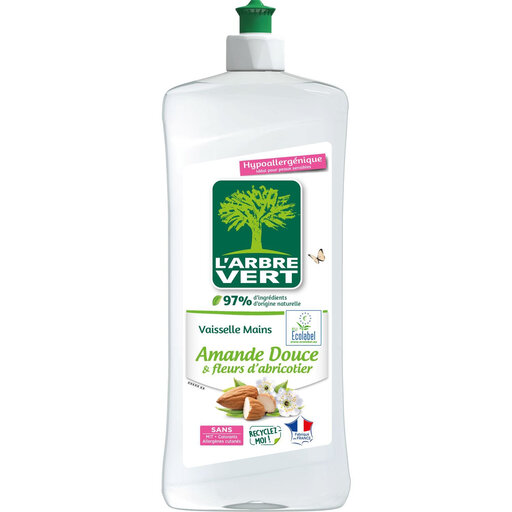
Why this choice suits this profile: At 750 ml, this standard size lets you start with an everyday product without buying lots of specialist items.
The product page states 97% naturally derived ingredients, EU Ecolabel certification and no colourants or MIT. However, this information doesn't guarantee it will be tolerated by everyone.
Made in Saint-Benoît, with a bottle containing at least 87% recycled materials and described as fully recyclable.
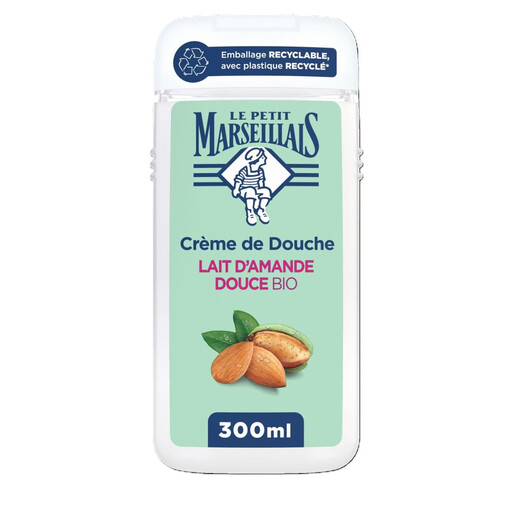
Why this choice suits this profile: Its creamy cleansing formula, scented with almond and enriched with organic almond milk, fits perfectly into a daily sensory routine.
The product page specifies a pH neutral for skin, 92% naturally derived ingredients and dermatologically tested. It also states that the formula contains perfume.
Made in France, 300 ml bottle and clearly stated usage instructions for external use only.
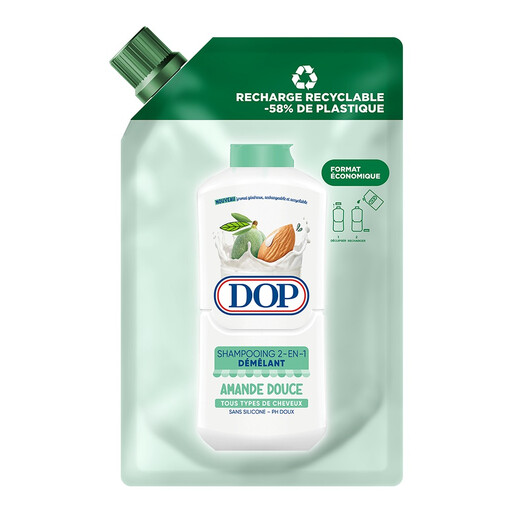
Why this choice suits this profile: Its 500 ml size and two-in-one action are well suited to family bathrooms where shampoo is used frequently.
According to the product page, the bottle uses 58% less plastic than a standard 480 ml DOP bottle. The formula is described as silicone-free with a gentle pH.
500 ml eco-refill, recyclable bottle and made in France as stated by the brand.
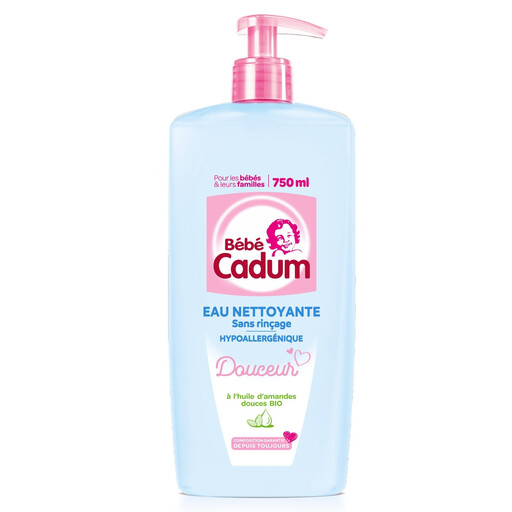
Why this choice suits this profile: Its 750 ml pump bottle makes repeated cleansing of the face, body and hands easier, always under adult supervision.
The product page mentions a hypoallergenic formula tested under dermatological control, while also reminding you of the precautions: external use only, avoid the eyes and stop if irritation occurs.
The product contains organic sweet almond oil, requires no rinsing and, according to the product page, is suitable for newborns as well as young children.
We've put together a comprehensive, real-time updated selection of products that meet these demanding criteria and European safety regulations.
Not necessarily. Check the ingredients, fragrant allergens and usage precautions. A "hypoallergenic" claim means the formula has been designed to limit the risk of a reaction, but it's not a guarantee that works for everyone.
A 500 ml two-in-one shampoo, a solid soap or a concentrated laundry liquid can reduce how often you need to restock. For baby's laundry, check the detergent and fabric softener separately: the presence of an almond scent doesn't mean you can ignore the recommended dosage.
It can reduce packaging and the cost per use, but take the time to compare the price per litre, the number of doses and whether it's compatible with your bottle. For a sweet almond laundry liquid or a cleansing product, the calculation should be based on the cost per wash or per use, not just the price of the container.