
Livraison le jour même ou le lendemain

Qualité garantie

Débloquez vos offres de bienvenue: Livraison GRATUITE | Jusqu'à -80 % | 30 jours d'essai gratuits à JoyPlus
Téléchargez l'application
The success of any sushi, maki, or chirashi bowl doesn't just depend on the freshness of the fish. The true foundation, the very heart of the dish, is the rice. The wrong grain or a failed texture can cause the entire recipe to fall apart. Whether you're a restaurant professional or a passionate home cook, selecting the right sushi rice is an absolutely crucial step.
This guide is here to shed light on the essential criteria and present our selection of the best products, whether you're managing a restaurant or simply preparing a Japanese dinner for loved ones.
With so many options available, it can be difficult to know where to start. Here are the key points to help you make the right choice based on your needs.
It all starts with the shape of the grain. For sushi, using short-grain sushi rice is non-negotiable. Unlike long-grain varieties like basmati, short-grain Japanese rice is rich in amylopectin, a starch that gives it its unique texture when cooked.
This high starch content is what makes the rice sticky and just tacky enough, allowing the grains to clump together without turning to mush. This cohesion is essential for forming nigiri that hold their shape perfectly or for rolling maki rice without it crumbling.
The package size is a practical factor that shouldn't be overlooked.
Regardless of the brand, preparing sushi rice follows a few golden rules. It's crucial to rinse it several times in cold water until the water runs completely clear. This step removes excess surface starch and ensures a perfect final texture. After cooking, the rice is traditionally seasoned with a mixture of rice vinegar, sugar, and salt while it is still warm.
To help you find the rice that suits your needs, here is our selection of top picks available on Joybuy, each tailored to specific requirements.
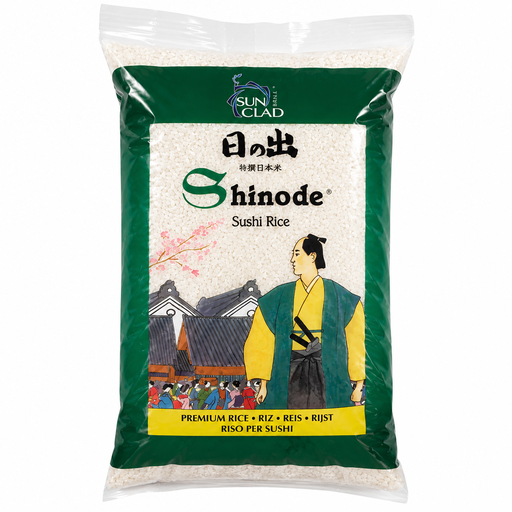
Why it stands out: Shinode rice is the reliable choice for those who need volume without sacrificing quality. This Japanese-style short-grain rice is calibrated for sushi preparation and guarantees an authentic texture.
Key features:
Who is it for?: Restaurateurs, caterers, and also large families or enthusiasts who host frequent sushi nights.
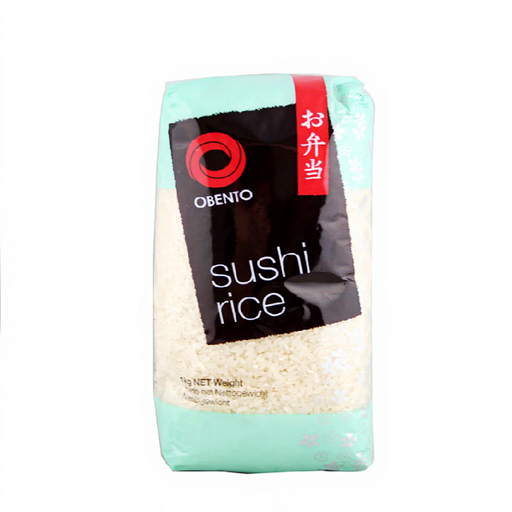
Why it stands out: Obento rice is the go-to choice for getting started at home. Its practical 1 kg size makes it very accessible and easy to store for occasional use.
Key features:
Who is it for?: Home cooks who make sushi from time to time or want to get into Japanese cooking with a reliable, hassle-free product.
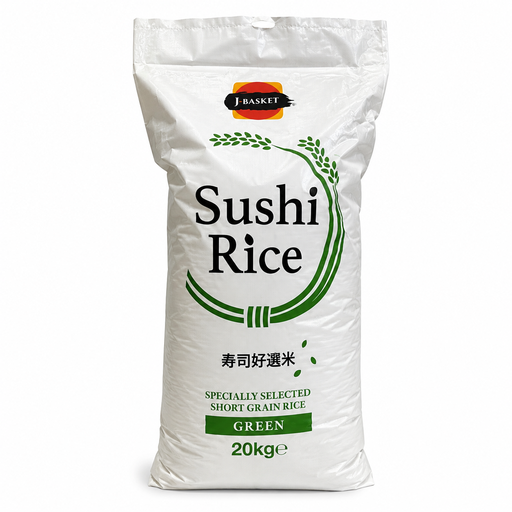
Why it stands out: Designed for professional needs, the J-BASKET rice in a 20 kg format is the economical solution for high-volume establishments. Its consistent quality makes it a trusted partner for chefs.
Key features:
Who is it for?: Sushi masters, Japanese restaurants, and caterers who require a large-volume supply and a reliable product for daily use.
Does our selection not quite meet your needs? Are you looking for a different brand or size? Explore our full range to find the sushi rice that's right for you, with a wide choice of origins and packaging.
Explore our full range of sushi rice
The main difference lies in the grain type and its starch content. Sushi rice is a short-grain (round) rice, very rich in amylopectin, which makes it sticky after cooking. In contrast, regular rice varieties (like basmati) are long-grain and richer in amylose, resulting in grains that separate easily. They are therefore completely unsuitable for making sushi.
Even though Arborio is also a short-grain rice, using it for sushi is a very bad idea. Its structure is designed to release starch and create the creamy texture of risotto. Sushi rice, on the other hand, must remain sticky while keeping the grains well-defined—a texture that risotto rice simply cannot provide.
To preserve all its qualities, sushi rice should be stored in a cool, dry place away from light. Once the package is opened, it's best to transfer the rice to an airtight container to protect it from moisture and pests. This will keep it fresh for your future recipes.