
Livraison le jour même ou le lendemain

Qualité garantie

Débloquez vos offres de bienvenue: Livraison GRATUITE | Jusqu'à -80 % | 30 jours d'essai gratuits à JoyPlus
Téléchargez l'application
Making sushi at home is a joy! Except when your maki rolls disintegrate at the first touch of soy sauce. If your rolls lack cohesion, don't blame your technique: the culprit is almost always the rice. Long before the freshness of the fish, choosing the right grain is THE key to success. The wrong rice will cause your beautiful creation to collapse.
This guide is here to help you buy the right sushi rice with confidence. We'll break down the criteria for an excellent Japanese rice and present our selection of the best products available, whether you're a weekend sushi-maker or a seasoned chef.
To avoid making a mistake in the aisle, keep these few essential criteria in mind—they make all the difference.
Sushi rice is a short, round-grain rice. Forget long-grain varieties like basmati; this shape is non-negotiable. The secret of round-grain sushi rice lies in its high amylopectin content, a very specific type of starch. After cooking and seasoning, this is what gives the rice its famous sticky texture. The grains clump together just enough to form nigiri and maki that hold their shape, without ever turning into a mushy paste.
While rice is grown all over the world, only a few varieties are truly suited for Japanese cuisine. The names to remember? Shinode or Koshihikari, star varieties renowned for their perfect balance of tenderness and stickiness. The origin is also a good indicator: Italy, for example, has mastered the art of cultivating Japanese-style rice, a guarantee of quality and expertise.
Sushi rice is sold in packages of all sizes. It's up to you to choose based on your appetite!
To make your job easier, here are our top picks, tested and approved by our editors.
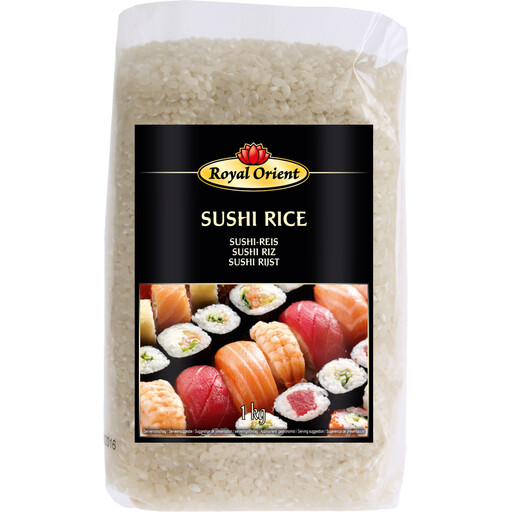
What sets it apart: The perfect balance for regular home use, combining a quality grain with a practical 1kg format.
Strong points:
Who is it for? For those who host sushi nights several times a year and want a reliable product without breaking the bank.
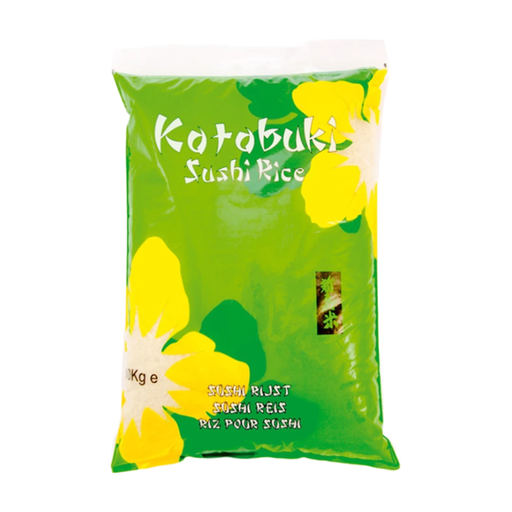
What sets it apart: The bulk size for big appetites and professionals, combining an unbeatable price per kilo with impeccable quality.
Strong points:
Who is it for? True Japanese cuisine lovers, large families, and restaurateurs looking for the best value for their bulk purchases.
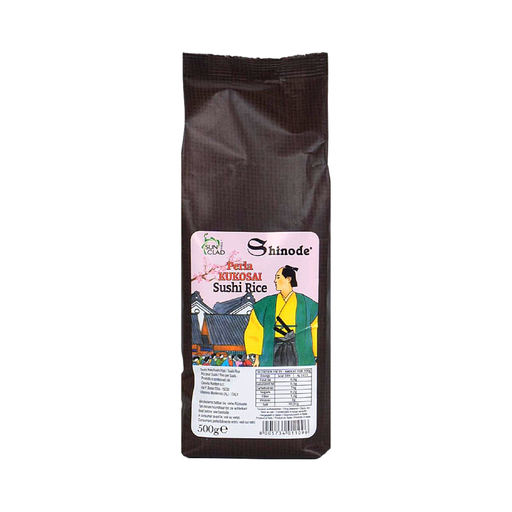
What sets it apart: A chance to try the Shinode variety, a star of Japanese rice, thanks to a small format that's ideal for testing.
Strong points:
Who is it for? Beginners who want to ensure success from the start, and curious cooks who love experimenting with quality ingredients.
This selection is an excellent starting point, but the world of sushi is much larger. To explore other rice varieties, find authentic seasonings, or get equipped like a pro, we invite you to browse our catalogue.
To discover a wider range of essential ingredients, explore our complete Japanese sushi category.
It's all about shape and composition. Sushi rice is a short, round-grain rice packed with a specific starch (amylopectin) that makes it sticky once cooked. In contrast, a classic long-grain rice contains more amylose, which allows the grains to remain separate. Trying to make sushi with the latter? It's a surefire way to get rolls that fall apart miserably.
Yes, and this is a non-negotiable step! Rinsing the rice removes the excess starch that coats the grains. To do this, run it under cold water, gently swirling it with your hand, then discard the water. Repeat until the water is almost clear. This little ritual prevents the rice from becoming pasty and ensures it has the perfect, but not excessive, stickiness.
Like most grains, raw rice should be stored in a cool, dry place away from light. Once the package is opened, it's best to transfer it to an airtight container or jar. This will protect it perfectly from moisture and pests, while keeping it fresh for much longer.