
Livraison le jour même ou le lendemain

Qualité garantie

Débloquez vos offres de bienvenue: Livraison GRATUITE | Jusqu'à -80 % | 30 jours d'essai gratuits à JoyPlus
Téléchargez l'application
Do your maki rolls fall apart when you slice them?? Do your nigiri lack that melt-in-your-mouth texture with just the right amount of stickiness that makes all the difference?? Look no further: the secret is the rice. Choosing the right sushi rice is the number one, most crucial step to succeeding with your homemade Japanese dishes.
Faced with a multitude of options on the shelf, it's easy to feel overwhelmed. Short-grain, medium-grain, origin, brand... how do you find your way?? As a product expert for Joybuy, my mission is to help you sort through the options. Follow our guide?! We'll review the essential criteria before unveiling our top picks, whether you're a weekend cook or a true Japanese cuisine enthusiast.
Before we dive into our selection, here are the key points to check to make the right choice.
The non-negotiable rule for sushi rice is the shape of its grain. Always opt for round rice (short-grain) or, in a pinch, medium-grain. Why?? These varieties are rich in amylopectin, a type of starch that gives them a sticky and soft texture after cooking. This is what allows the grains to clump together without turning into a formless mush. It's this signature texture, sometimes described as glutinous rice, that makes all the difference. Conversely, long-grain rice, like basmati or jasmine, is rich in amylose: it stays light and its grains separate, which immediately disqualifies it for sushi.
Of course, Japanese rice (or uruchimai) remains the gold standard. Varieties like Koshihikari or Akitakomachi are favoured by purists for their delicate flavour and incomparable texture. But don't worry: excellent Japanese-style rice is also grown in Italy, Australia, and the United States. Often derived from the same strains, they offer excellent value for money and have all the necessary qualities for successful sushi.
Rice keeps for a long time, but its freshness has a direct impact on its taste and texture.
Let's get practical?! Here is our selection of tried-and-tested rice, for all budgets and appetites.
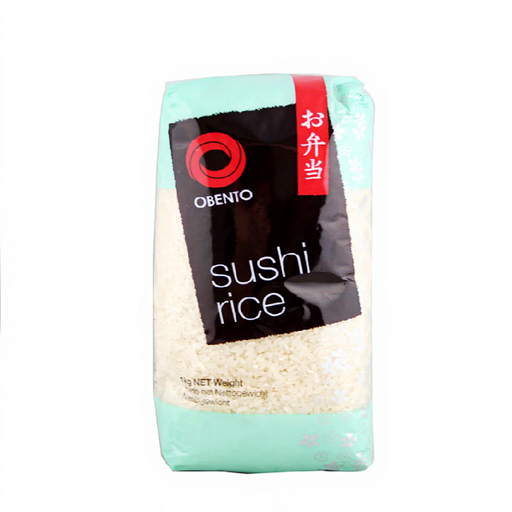
Why it stands out: This is the reliable choice for getting started. This premium quality short-grain rice has been specifically selected for sushi. Its high reliability guarantees a flawless, hassle-free result every time.
Advantages:
Who it's for: Amateur cooks who are just starting out or those who make sushi from time to time and want a simple, effective product.
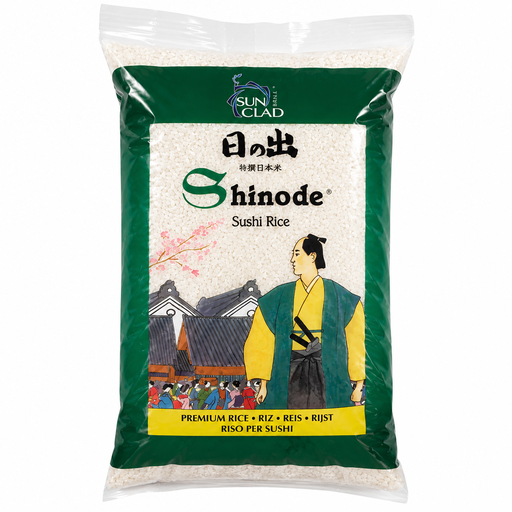
Why it stands out: Shinode rice is a Japanese-style round rice for sushi that ticks all the boxes for authenticity. Its main advantage?? A 10?kg format that makes it extremely cost-effective for heavy users.
Advantages:
Who it's for: Food service professionals (chefs, caterers), large families, or true enthusiasts who have Japanese rice on the menu several times a week.
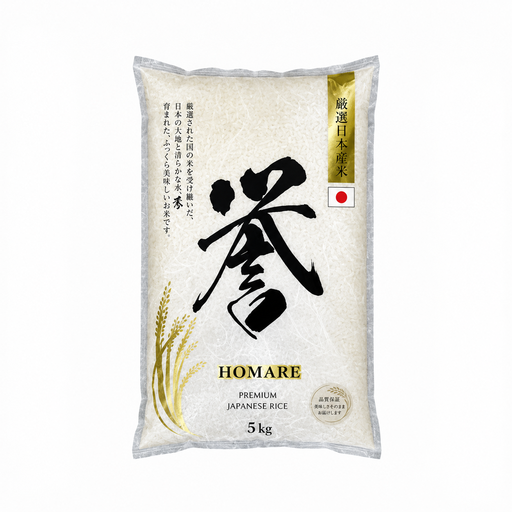
Why it stands out: We're moving up in quality with the Homare variety. This premium short-grain Japanese rice is renowned for its perfect texture, softness, and slightly sweet notes. A true delight, and not just for sushi.
Advantages:
Who it's for: Connoisseurs who want a versatile, high-quality rice capable of elevating sushi as well as donburi and other classics of Japanese cuisine.
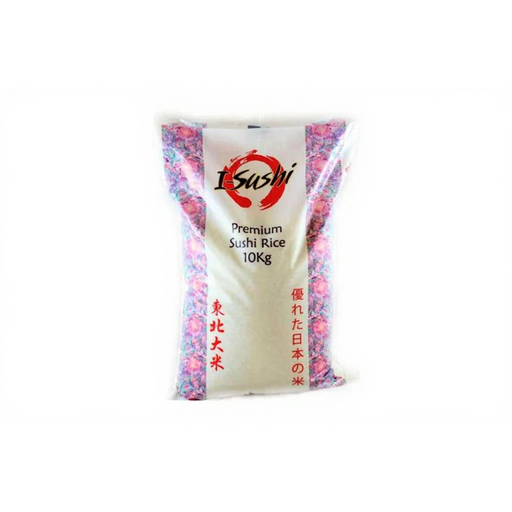
Why it stands out: This medium-grain rice is the Swiss Army knife of your kitchen. It offers a texture that's just sticky enough for sushi, with grains that remain well-defined after cooking. An excellent choice for everyday use.
Advantages:
Who it's for: Those looking for the ultimate "all-rounder" rice in a large format. It will seamlessly transition from weekend sushi to Tuesday night stir-fry.
Our selection doesn't stop here. Other formats and more specific varieties await you in our dedicated section. Take a look at our complete collection to find the hidden gem that will elevate your recipes.
Explore Our Entire Japanese Rice Collection
The entire difference comes down to the grain shape and its starch composition. Sushi rice is a short or medium-grain rice, rich in amylopectin, which makes it sticky when cooked. So-called "regular" rice (like basmati) is long-grain, rich in amylose, and its grains remain separate after cooking. Using long-grain rice for sushi is a surefire way to have your creation fall apart.
Cooking is a step just as crucial as choosing the grain. Here is the basic method to get it right:
No, that's a classic mistake?! Despite its misleading name, Thai sticky rice (the kind used in the famous mango dessert) is a very distinct variety (oryza sativa var. glutinosa). Its texture, once cooked, is very pasty and extremely sticky, the opposite of the soft, firm texture of a good Japanese sushi rice.