
Livraison le jour même ou le lendemain

Qualité garantie

Débloquez vos offres de bienvenue: Livraison GRATUITE | Jusqu'à -80 % | 30 jours d'essai gratuits à JoyPlus
Téléchargez l'application
The success of your homemade sushi, maki, or donburi rests on one key pillar: the rice. But with a jungle of options out there, choosing the right package can quickly become a headache. The wrong grain can ruin the entire texture and authenticity of your dish. To help you navigate the choices, this guide breaks down the essential criteria and presents the best options for buying sushi rice with confidence, whether you're a budding chef or a seasoned pro.
The sticky texture and delicate flavour so characteristic of Japanese dishes can't be achieved with just any rice. Here’s what to look for.
The golden rule: opt for a round sushi rice. These short-grain rice varieties (of the japonica type) are rich in a specific starch called amylopectin. It's this composition that gives them their famous sticky and fluffy texture after cooking, allowing the grains to clump together without becoming mushy. This is essential for shaping sushi or maki rice that holds together perfectly. So, forget about long-grain rice like basmati or Thai: they are higher in amylose, which means they stay dry and will never stick together.
The term Japanese rice can refer to both rice grown in Japan and Japanese-style rice grown elsewhere, particularly in Italy or the United States. Varieties grown in Japan, such as Koshihikari or Homare, are considered the gold standard for their flavour and texture. Rest assured, however: excellent Japanese-style rice produced in Europe offers unbeatable value for money and perfect qualities for making sushi.
The package size depends on how often you use it.
Here is a selection of rice that has caught our attention, perfect for getting you started.
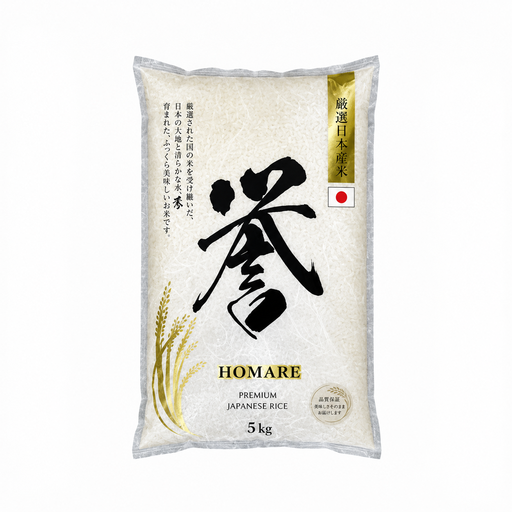
Why it stands out: This is an authentic Homare variety grown in Japan. Its perfectly sticky texture and subtly sweet flavour make it a top choice for sushi as well as donburi (large bowls of rice with toppings) and other traditional dishes.
Key features:
Who is it for? For Japanese cuisine enthusiasts looking for an authentic product for frequent use.
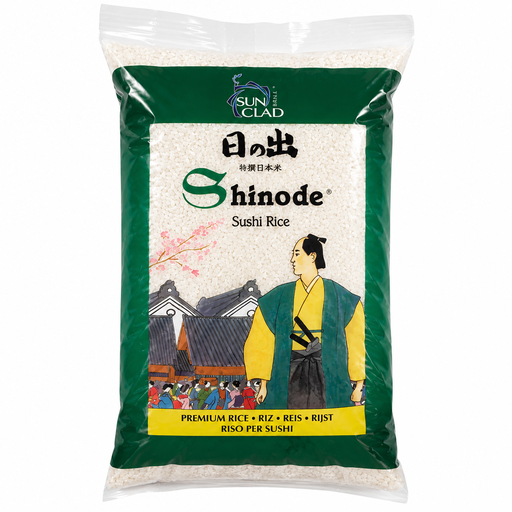
Why it stands out: Shinode rice is a Japanese-style round grain, specially selected for sushi. With its large 10 kg format, it's an unbeatable value option for large quantities.
Key features:
Who is it for? For professionals, caterers, or enthusiasts who think big and prepare sushi very regularly.
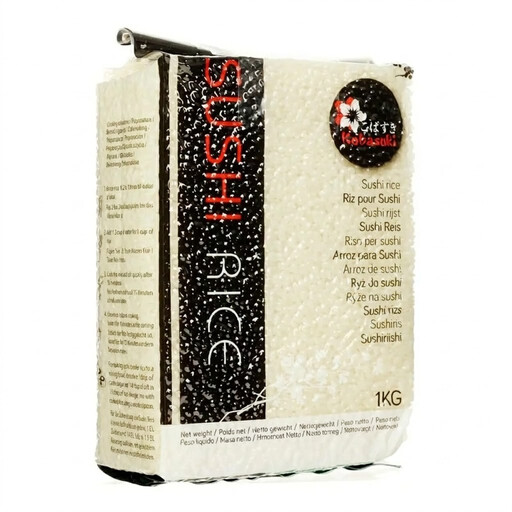
Why it stands out: This short-grain rice comes in a convenient 1 kg size, perfect for beginners or for occasional use. Its vacuum-sealed packaging ensures optimal freshness until opened.
Key features:
Who is it for? Ideal for beginners, people cooking for one, or for occasional use.
Of course, our selection is just a glimpse of what's available. To explore other varieties, sizes, or origins and find the hidden gem that meets your needs, feel free to browse our full range.
Discover our range of premium Japanese rice
The main difference lies in the grain's shape and its starch content. Sushi rice is a short, round-grain rice, rich in amylopectin, which makes it sticky after cooking. It is sometimes called Japanese sticky rice, although that term more accurately refers to mochigome rice. Conversely, regular long-grain rice is high in amylose, which makes the grains firm and separate after cooking—a texture to be avoided for sushi.
Yes, this step is absolutely essential. Rinsing the rice in cold water several times (until the water runs clear) removes the excess starch from the surface. This prevents the rice from turning into a mushy, indistinct paste. The goal is to get grains that stick to each other while remaining perfectly distinct.
Uncooked rice should be stored in a cool, dry place away from direct sunlight. Once the package is opened, transfer the rice to an airtight container to preserve its freshness and protect it from pests and moisture.