
Livraison le jour même ou le lendemain

Qualité garantie

Débloquez vos offres de bienvenue: Livraison GRATUITE | Jusqu'à -80 % | 30 jours d'essai gratuits à JoyPlus
Téléchargez l'application
Diving into homemade sushi can feel like an impossible mission. Between rice sticking to your fingers and maki rolls falling apart, initial enthusiasm often gives way to frustration. A good sushi mold is supposed to make the process foolproof, but the market is flooded with gadgets that often complicate things more than they help.
My role as a Product Recommendation Manager at Joybuy is to help you navigate the options. Let's break down the common pitfalls to avoid and the criteria that truly matter, so you can choose the right tool to make homemade sushi flawlessly and hassle-free.
Too many buyers get stuck with a useless gadget after just a few attempts. Here are the design flaws that should be immediate red flags.
For a worthwhile and long-lasting purchase, here are the non-negotiable technical features.
The choice of material is paramount. Opt for a mold made from food-grade polypropylene (PP). This plastic checks all the right boxes:
A good mold must allow you to release the rice effortlessly. Look for a sushi rice press with a well-designed mechanism. The most effective models include:
The type of mold you choose depends on how you plan to use it.
Here are a few models that meet specific needs and check all the boxes on our list of requirements.
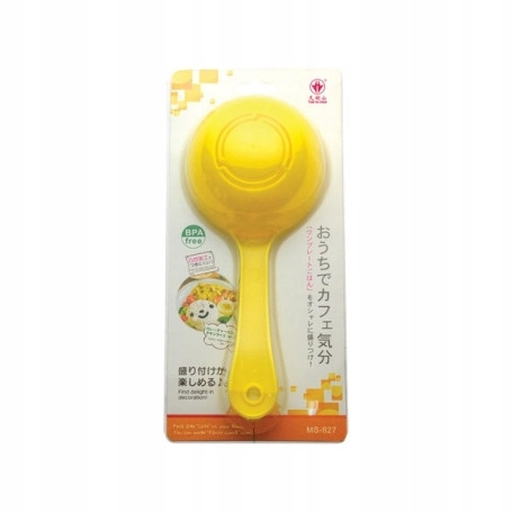
Why we chose it: Perfect for those who want to churn out classic nigiri. This mold forms five identical portions in a single press, ensuring consistent results—ideal for a meal or an appetizer party.
It's designed for one task and executes it perfectly, without the unnecessary extras found in kits. Its hinged flap makes releasing the rice incredibly easy, solving the problem of sticking.
Prepares 5 uniform nigiri at once. Easy-to-clean polypropylene material.
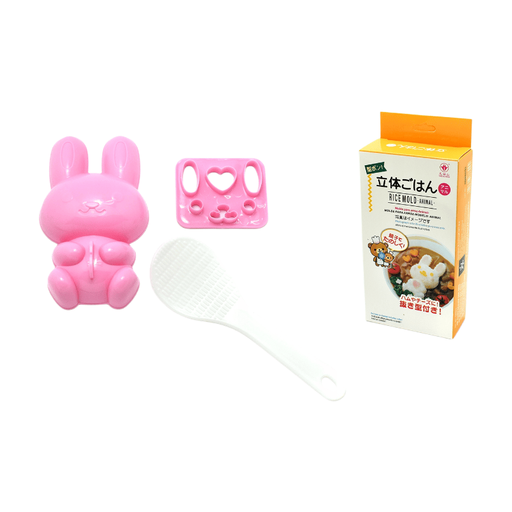
Why we chose it: The perfect partner for parents looking to make mealtimes more fun. This set lets you create adorable rabbit-shaped rice bites, an excellent way to introduce kids to new flavours with a creative bento box.
More than just a gadget, this set includes cutters for punching out facial details from a nori sheet—a real bonus for a flawless finish. The plastic is, of course, food-grade.
Complete set with mold, detail cutters, and a spatula. Perfect for bento boxes and kids' meals.
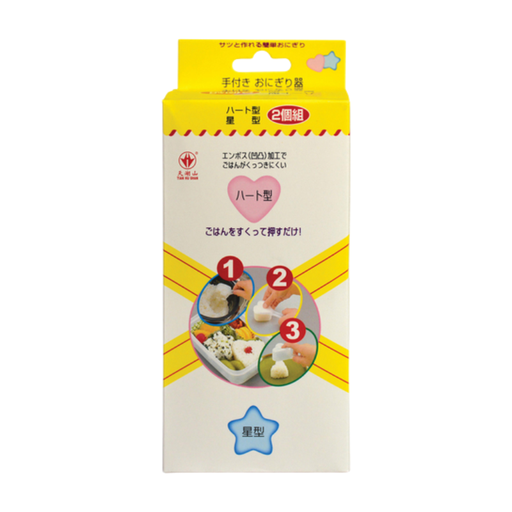
Why we chose it: For those who love adding a touch of originality to surprise their guests (or their significant other), this heart-shaped mold is a must-have. It creates unique sushi or rice bites for Valentine's Day, an anniversary, or any special occasion.
It's a simple, well-designed tool focused on a single, original shape. It adds a special touch without the complexity or cost of an oversized kit.
Original heart shape for presentations that stand out. Simple to use and clean.
Most plastic molds can be cleaned by hand with warm water and dish soap. Avoid the dishwasher, as high heat can warp them over time. The pro tip to prevent sticking: dip the rice mold in cold water just before filling it.
It's essential to use short-grain Japanese rice, also known as "sushi rice." Once cooked, it must be seasoned with a mixture of rice vinegar, sugar, and salt, then cooled to room temperature. Regular rice, or rice that is too hot or improperly prepared, will be too sticky and impossible to mold correctly.
It all depends on the quality of the kit. It's often smarter (and more cost-effective) to start with a good sushi mold tailored to your needs (nigiri, onigiri, etc.) and then expand your toolkit over time with a quality bamboo mat or a good knife. It's always better to prioritise the quality of essential tools over the quantity of gadgets.