
Livraison le jour même ou le lendemain

Qualité garantie

Débloquez vos offres de bienvenue: Livraison GRATUITE | Jusqu'à -80 % | 30 jours d'essai gratuits à JoyPlus
Téléchargez l'application
Making sushi, maki, nigiri or a poke bowl at home actually requires less equipment than it does good sushi ingredients. Yet a poor choice can quickly ruin your efforts: rice that crumbles, soggy nori sheets or vinegar that's far too sweet.
Before you fill your basket, take a moment to check three points that are often overlooked:
For successful homemade sushi, choose short-grain or round-grain rice, which is naturally higher in starch than long-grain rice. Once cooked, it should stay tender and slightly sticky without becoming mushy.
The SUNCLAD Sushi rice Shinode 12 x 500 g contains twelve 500 g packs, giving you 6 kg in total. This format suits families who cook regularly or professionals looking for an easy-to-manage stock. For more occasional use, a 20 kg bag like the KOSHI-HIKARI Sushi Rice 20 kg requires a fair amount of storage space.
After cooking, let the rice cool slightly before adding the seasoning. Fold it in gently so you don't crush the grains.
Sushi vinegar, also called sushi-su or sushi rice seasoning, is usually already blended with vinegar, sugar and salt. This saves you from having to weigh each ingredient separately.
The main differences come down to:
According to its product information, Mizkan vinegar recommends around 30 ml for 320 g of warm rice. This is a good starting point, which you can then adjust to your taste. To compare a few options, the JP OTAFUKU Sushi Vinegar PET 500 ml, the Kingzest Sushi Vinegar 200 ml and the Mizkan Sushi Vinegar 360 ml offer sizes to suit different uses.
Nori sheets should be dry, intact and stored in a tightly sealed pack. Look at the number of sheets rather than just the weight: a pack of 10 sheets is especially handy for making several maki rolls.
Pickled ginger is eaten in small portions between bites. A 90 g size is fine for home use, while a 1.5 kg pack is more suited to catering or group meals. After opening, follow the instructions on the label and generally plan to keep it in the fridge.
Wasabi paste deserves extra attention if you need to avoid certain allergens. The Oishiya brand, for example, contains soya and mustard: always check the ingredient list printed on the packaging before buying.
Finally, panko breadcrumbs aren't essential for making maki, but they're a great addition to a selection of Japanese ingredients. They're perfect for making chicken katsu, prawns or breaded vegetables. However, do bear in mind that they contain wheat gluten.
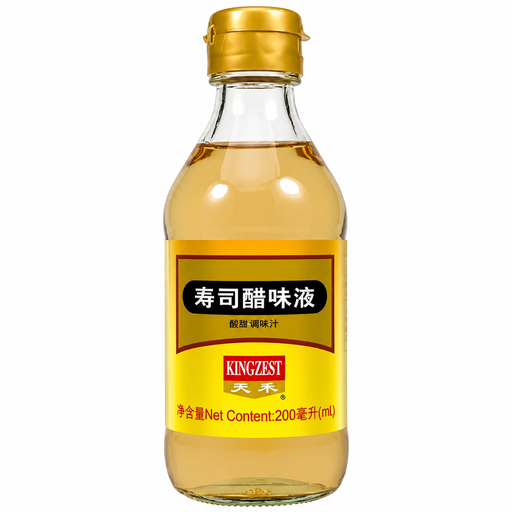
Why this suits this profile: At 200 ml, this bottle lets you start making sushi rice without being left with a large amount unused after just a few meals.
The seasoning is already prepared: no need to buy vinegar, sugar and salt separately for your first attempt.
200 ml bottle ready to mix into warm rice, also suitable for maki and poke bowls.
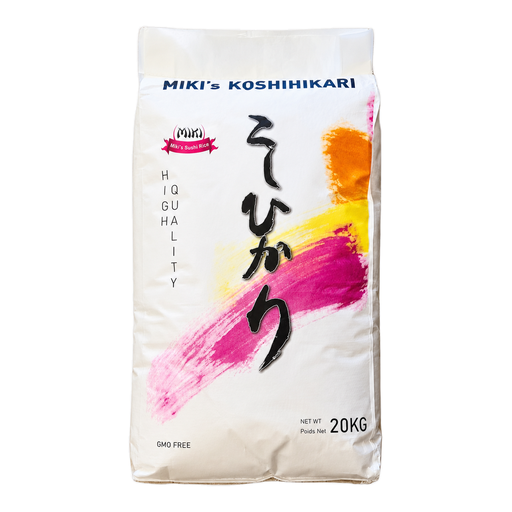
Why this suits this profile: This large format is aimed at those who want a dedicated rice for sushi, onigiri and Japanese recipes made on a regular basis.
The weight is clearly stated: you can work out the price per kilogram and check you have enough storage space before ordering.
Koshihikari rice presented as suitable for sushi, in a 20 kg pack.
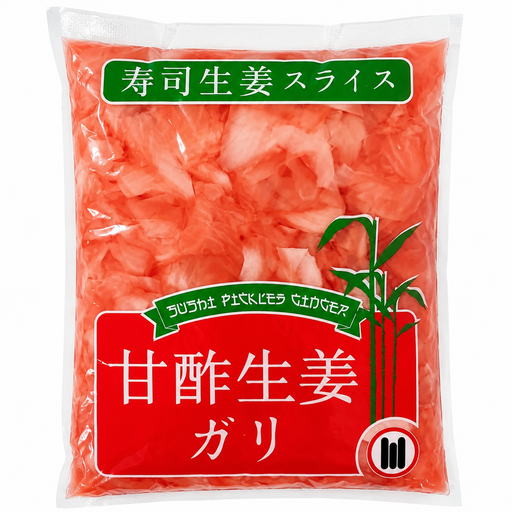
Why this suits this profile: Its volume is designed for restaurants, caterers, community meals or households that regularly serve sushi assortments.
The stated quantity makes it easy to calculate portions and avoids having to keep buying small packs.
Pickled ginger in a large pack, with no allergens declared on the product sheet.
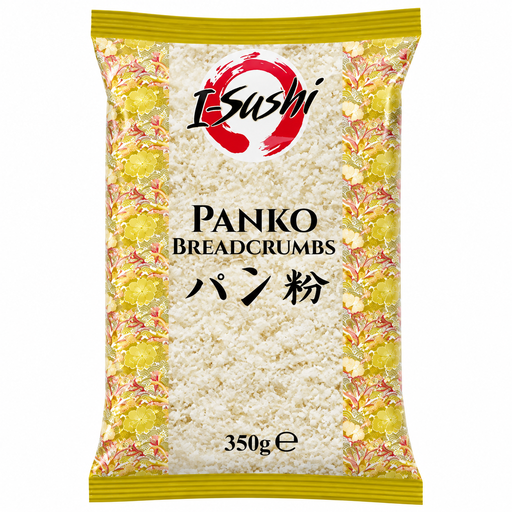
Why this suits this profile: These breadcrumbs complement the ingredients needed for maki and onigiri, while also letting you make katsu, breaded vegetables or crispy fish.
You're not buying a product just for sushi: it also works for breaded Japanese dishes and plenty of everyday recipes.
200 g format, described as light in texture, with wheat gluten clearly stated.
We've put together a comprehensive, real-time selection of products that meet these strict criteria as well as European safety regulations.
To begin, you'll need sushi rice, sushi vinegar, nori sheets, pickled ginger and wasabi paste. You can then add your choice of fillings, checking their freshness and storage requirements.
The amount depends on the brand you choose. Some product sheets recommend around 30 ml for 320 g of cooked rice. Start by following the dosage on the label, fold it in gently, then adjust next time rather than pouring the whole bottle in at once.
Store nori sheets in a dry place, ideally in an airtight pack after opening. Once opened, pickled ginger is generally kept in the fridge, following the manufacturer's instructions. For each product, the best-before date and the instructions printed on the packaging should always take priority.