
Livraison le jour même ou le lendemain

Qualité garantie

Débloquez vos offres de bienvenue: Livraison GRATUITE | Jusqu'à -80 % | 30 jours d'essai gratuits à JoyPlus
Téléchargez l'application
The alarm blaring in the dark, the persistent fatigue... does that sound all too familiar? Especially in autumn and winter, just getting out of bed can feel like a monumental task. A sunrise simulator promises a gentle awakening, mimicking the natural sunrise. But be warned: the market is saturated with models of varying quality, and it's easy to make a purchase you'll regret. To ensure your investment is a good one, learn how to avoid the most common marketing traps.
The 2 Pitfalls to Avoid When Buying a Wake-Up Light:
To make the right choice, focus on the few technical specifications that make all the difference. Ignoring them means risking buying a gadget that will never live up to its promises.
This is the non-negotiable criterion: the quality of the light simulation. An effective wake-up light must reach a sufficient intensity to send the right signal to your body: it's time to get up.
An alarm that's too abrupt would ruin all the benefits of the light. The ability to customise sounds is therefore a key feature.
No endless list here. We've selected three products that tick all the right boxes and meet different needs, all while avoiding the pitfalls we've just described.
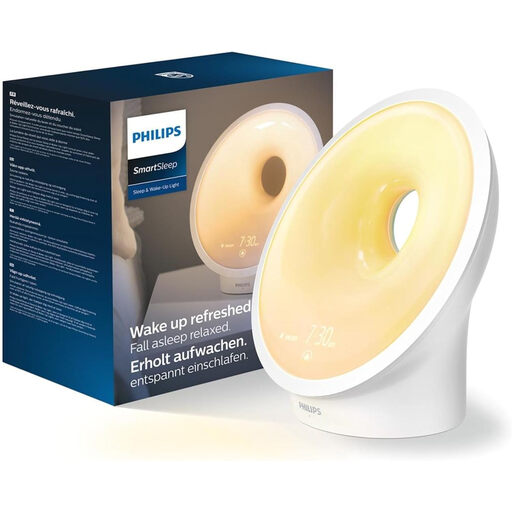
Why we chose it: For those who refuse to compromise. This model offers a premium experience, from falling asleep to waking up, with smart features validated by sleep experts. It's the undisputed benchmark for the Philips Wake-Up Light.
It provides a true-to-life sunrise simulation, with an intensity of up to 315 lux and a natural colour gradient (red-orange-yellow). Say goodbye to the "fake light" trap.
The light-guided breathing feature (RelaxBreathe) and sunset simulation transform it into a comprehensive sleep coach, making it much more than just an alarm clock.
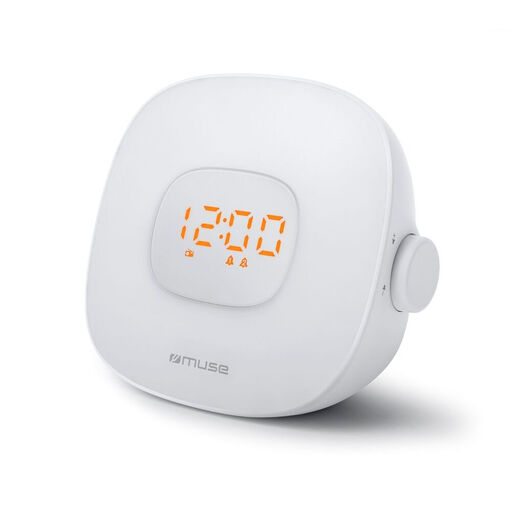
Why we chose it: Perfect for trying out the wake-up lamp concept without breaking the bank. It focuses on the essentials and offers excellent value for a first-time experience.
It delivers the essentials: a decent sunrise simulation, 6 nature sounds, and adjustable intensity. No superfluous gadgets—it focuses on its primary mission.
Its dual alarm and USB-C charging port make it a practical and well-designed device for daily use, going beyond the bare minimum.
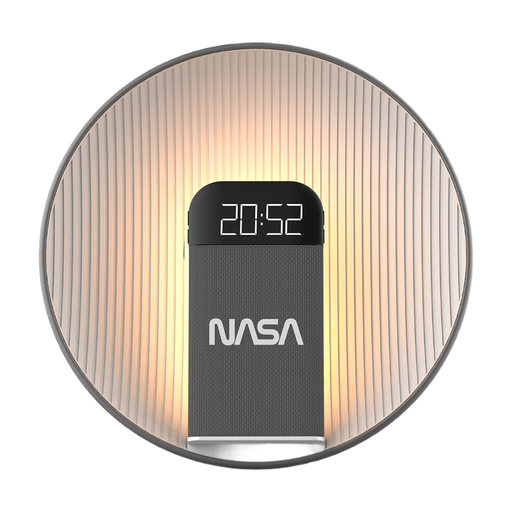
Why we chose it: Ideal for freeing up space on your nightstand. It merges four devices into one (alarm clock, lamp, speaker, charger) with a modern, minimalist design.
Despite its Swiss Army knife approach, it includes a genuine sunrise simulation feature, which sets it apart from simple clock-speakers. The wake-up function isn't sacrificed for the sake of extra gadgets.
The inclusion of a fast wireless charger (15W) and a Bluetooth speaker makes it the perfect bedside companion for a clean, cable-free space.
Discover our full selection of models tested and approved by our editors, all compliant with European safety standards.
Most modern sunrise simulators are equipped with LED bulbs. These have a very long lifespan, often exceeding 20,000 hours. In practical terms, this means the light source in your device will work for many years without needing to be replaced.
Absolutely. In fact, this is when it's most beneficial. In winter, the lack of natural morning light can disrupt our biological clock and make waking up difficult. A sunrise simulator compensates for this, helping to regulate your circadian rhythm and promoting an easier, more pleasant start to the day.
It all depends on your habits. If you enjoy waking up to the news or your favourite morning show, an FM radio is a great feature. However, if you find commercials annoying or have poor reception in your area, it's better to choose a model with a good selection of nature sounds or the ability to stream your own music.