
Livraison le jour même ou le lendemain

Qualité garantie

Débloquez vos offres de bienvenue: Livraison GRATUITE | Jusqu'à -80 % | 30 jours d'essai gratuits à JoyPlus
Téléchargez l'application
As summer nights get longer, sleep can quickly become a battle against the heat. Choosing the right summer duvet is therefore crucial for getting back to restful nights. The problem? The market is flooded with marketing promises that don't always deliver. As a product expert at Joybuy, my mission is to help you decode the labels, avoid common pitfalls, and make the right choice.
Before you start, watch out for two common mistakes that can cost you dearly, both in comfort and in your wallet:
To ensure you don't make a mistake, only two technical criteria really matter for guaranteeing comfort on warm nights.
Fill weight measures the density of the filling. It's the most reliable indicator for judging a duvet's warmth.
A low fill weight is your guarantee of a lightweight duvet that won't feel suffocating and will allow air to circulate, thus reducing perspiration.
The type of filling directly impacts the breathability, ease of care, and hypoallergenic properties of your duvet.
Rather than a simple list, we've selected models that meet specific needs, all while avoiding the pitfalls we've just discussed.
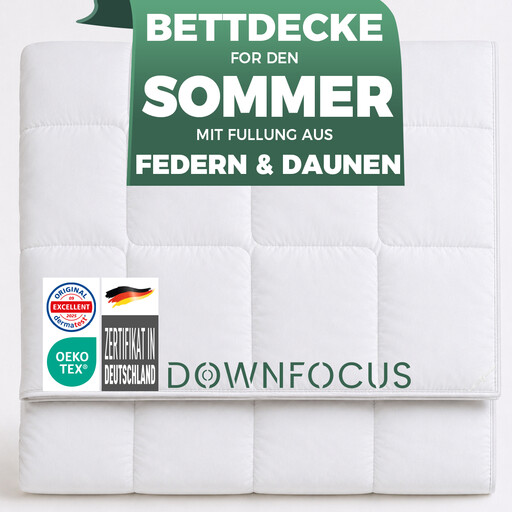
Why this model? Ideal for those who always feel too hot at night. Its feather and down filling is naturally breathable, and its low fill weight ensures a lightweight feel without trapping body heat.
With a fill weight of just 200 g/m?, this duvet is tailor-made for summer, unlike overly insulating 'all-season' models.
Its natural filling (90% feathers, 10% down) provides excellent temperature regulation. The Oeko-Tex and RDS certifications are a guarantee of safety and respect for animal welfare.
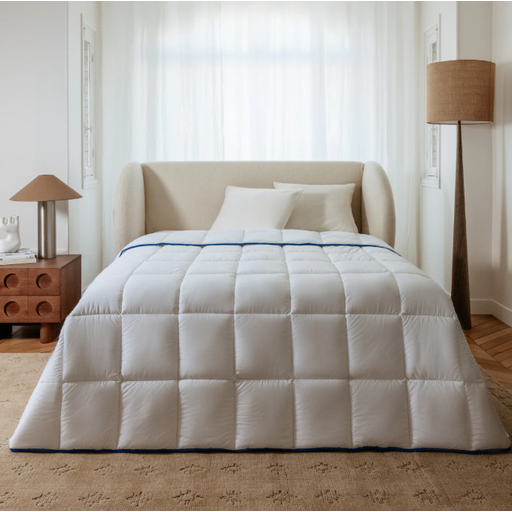
Why this model? Perfect for people prone to allergies or for a child's bed. Its synthetic filling and easy machine-washing guarantee a perfectly healthy sleep environment.
More than just a 'hypoallergenic' label, this model boasts multiple certifications (STANDARD 100 by OEKO-TEX, Sanitized, Certipur) that guarantee it is free from harmful substances and has an effective anti-dust mite treatment.
Its hollowfibre siliconised filling (250 g/m?) promotes good air circulation. Care is a breeze with a 40°C machine wash. The 220x240 duvet size is the standard for double beds.
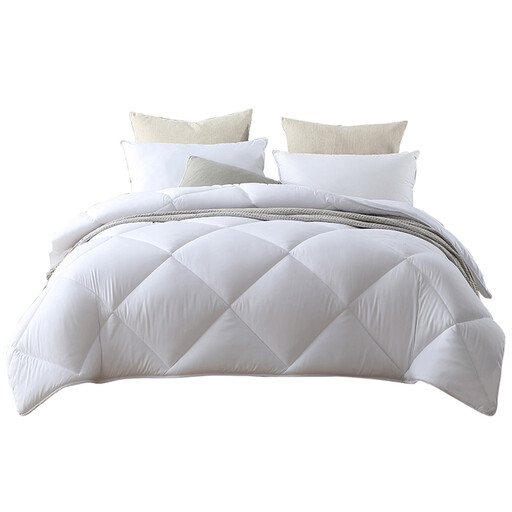
Why this model? For those looking for a simple, effective, and affordable solution for a single bed. It gets straight to the point: no-frills breathable comfort and easy maintenance.
Although versatile, this model is light enough for summer use in a temperate room. It thus avoids the pitfall of traditional '4-season' duvets, which are often too warm.
Its non-allergenic and washable design makes it a practical and hygienic choice. Its highly accessible price point is ideal for a guest room or a first student flat.
We have put together a complete selection of products that meet our selection criteria and current safety standards.
Most synthetic and some natural duvets are machine washable. Use a delicate cycle at 30 or 40°C. The crucial step is drying: a low-temperature tumble dryer is ideal for restoring the filling's loft. Add a few dryer balls (or tennis balls) to help aerate the fibres. Make sure your machine's drum is large enough (10 kg capacity or more) to avoid compressing it.
It all depends on the quality of the filling and how you care for it. A good quality synthetic duvet will last for about 5 years. A well-maintained natural duvet can last up to 10 years. Remember to shake it out and air it regularly to maintain its loft and freshness.
For non-allergic individuals, a standard duvet that is well-maintained and aired out regularly is often sufficient. However, for sensitive people, a certified anti-dust mite duvet provides real comfort. The treatment (like Sanitized) or the very tight weave of the cover creates a physical barrier that limits the proliferation of these allergens. The Oeko-Tex certification further guarantees that the treatments used are safe for your skin.