Fans of intense cocoa flavours
You’re looking for dark chocolate with a stated cocoa percentage, rather than the milky sweetness of white chocolate.


If you’re looking for a pronounced cocoa flavour, choose a dark chocolate bar with its cocoa percentage clearly stated. If you prefer a smooth, milky flavour, stick to white chocolate. When you’re on your summer holidays, taste isn’t the only thing to consider: check the nutritional information and how the chocolate will be transported and stored, as heat can affect it.
You’re looking for dark chocolate with a stated cocoa percentage, rather than the milky sweetness of white chocolate.
You’ll need to be able to receive your bars, transport them and keep them away from the heat throughout your stay.
You want to compare sugars and fat, then check the ingredients and allergens, whether or not a Nutri-Score is shown.
First decide whether you’re after the intensity of dark chocolate or the smooth sweetness of white chocolate. Then check the label and consider the conditions your bar will be travelling in.
| Criteria | What to check | Who this matters to |
|---|---|---|
| Cocoa intensity | For a dark chocolate bar, look for the stated cocoa percentage and check the ingredients. | To enjoy a pronounced cocoa flavour, I prefer to know the stated cocoa content before choosing a dark chocolate bar. Around 36% of consumers put this intensity first. |
| Heat and transport | Check when you’ll be able to receive the bar and where you can store it somewhere cool, dry and out of direct sunlight. | If the chocolate has to travel in hot weather, my main concern is making sure it isn’t left in a parcel or a car in the sun. Around 29% of consumers prioritise protection from the heat. |
| Sugars and labelling | Compare sugars and saturated fat per 100 g, then read the ingredients and allergen information. | Before buying, I want to be able to compare the nutritional information rather than relying on the front of the pack alone. Around 21% of consumers make this their priority. |
| White chocolate’s sweetness | Make sure you’re after a milky flavour rather than an intense cocoa taste, and plan to store it away from the heat. | When sharing a sweet chocolate bar on holiday, I prefer white chocolate to intense dark chocolate. This is the main priority for around 14% of consumers. |
White chocolate is for those who enjoy a smooth, milky sweetness; a dark chocolate bar with a high cocoa content offers a very different taste.
Start by choosing the type of chocolate you want, then compare the cocoa percentages and ingredients of the dark chocolate bars you’re considering.
According to Santé publique France, displaying the Nutri-Score is voluntary. Its absence doesn’t, on its own, tell you what the bar contains.
If it appears on the pack, use it as an additional guide. Also check the nutritional values, ingredients and allergen information.
A parcel left waiting, a bag in the sun or a hot car can affect the chocolate’s texture. Lindt notes that white chocolate is particularly sensitive to high temperatures.
Plan for delivery and transport the bar out of direct sunlight. For storage, Lindt generally recommends a dry place between 15 and 18 °C.
The EXCELLENCE range includes dark chocolate bars with a stated cocoa percentage. Lindt says its EXCELLENCE Noir 90 % bar contains at least 90 % cocoa.
Nestlé describes Galak as a smooth, milky white chocolate, for readers who aren’t looking for the intensity of a dark chocolate bar.
These bars are options if you’re choosing dark chocolate for the summer holidays. The stated cocoa percentages on some products can help you find the intensity you’re after. For all of them, check the nutritional information and transport conditions before buying.
 Image unavailable
An option if you’re looking for a dark chocolate bar with a stated cocoa content. Compare the sugars on the label and check that the delivery arrangements will protect it from the heat.
 Image unavailable
Worth considering if you want a dark chocolate bar with a stated cocoa percentage. Read the ingredients list and sugars per 100 g, then check the transport arrangements for hot weather.
 Image unavailable
The 35 g size could suit you if you’d rather take a smaller bar with you. To compare its composition with other sizes, use the values per 100 g and check the allergen information on the pack.
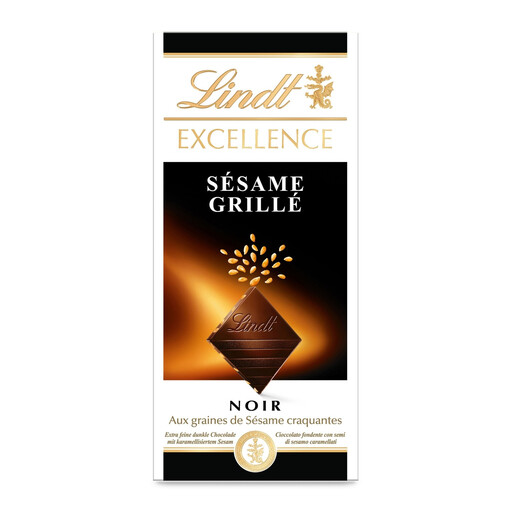 Image unavailable
This variation is for readers looking for a dark chocolate bar with sesame. If a high cocoa content matters to you, check the percentage on the pack, and also look at the sugars and allergen information.
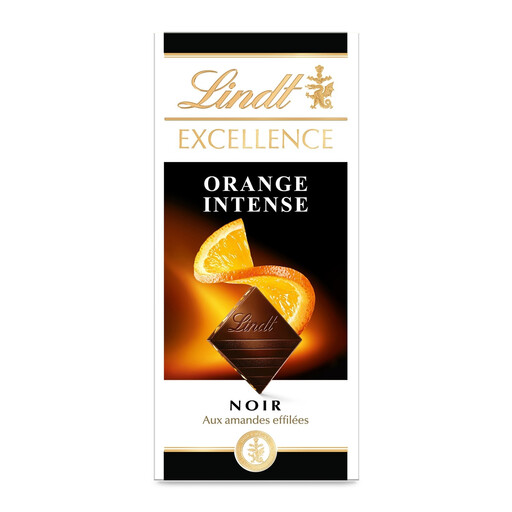 Image unavailable
This variation combines dark chocolate and orange. If cocoa intensity is your priority, check the percentage in this bar. Also read the sugars, ingredients and allergen information before choosing.
No. The levy described by Légifrance applies to drinks, not chocolate bars. To choose a bar based on its sugar content, check its nutritional information.
No. Santé publique France states that displaying the Nutri-Score is voluntary; it is separate from the mandatory nutrition declaration that applies to relevant prepacked foods. Check the nutritional values even when a logo is shown.
Keep it somewhere cool and dry, away from light and strong smells. Lindt generally recommends a storage temperature of 15 to 18 °C, so don’t leave a bar in the sun or in a hot car.
According to Lindt’s storage advice, dark chocolate copes slightly better with high temperatures, while white chocolate is particularly sensitive to them. Neither should be left exposed to heat for long.
Check the delivery arrangements, when you’ll be able to receive the parcel and whether you can put the chocolate away straight away in a cool, dry place. Lindt recommends suitable delivery for its own orders during hot weather; check the options actually offered by your chosen seller.