If keeping fat content down is your priority when choosing snacks for the October half-term, start by comparing plain dried fruit with nuts, using the figures per 100 g. For example, Monoprix lists 0.8 g of fat per 100 g for its organic sultanas, compared with around 56 g per 100 g for its roasted salted almonds. These figures apply to those two specific products, not to every product in those categories. Check the sugars, ingredients and allergens too, especially when choosing a mix.
Who is this guide for?
Anyone keeping an eye on fat content
When choosing a snack to take with you, compare the ‘fat’ figures per 100 g. Monoprix’s product listings for organic sultanas and roasted salted almonds show why the general term ‘dried fruit’ isn’t enough to tell these products apart.
Families preparing snacks for a trip
A bag to share or pop into a rucksack needs to suit the number of people and the journey. Before choosing a mix, check its net weight, ingredients and nutritional values per 100 g.
Anyone concerned about allergens
The DGCCRF (France’s consumer protection authority) states that allergens in prepacked foods must be highlighted in the ingredients list. Check the pack for any ‘may contain’ warnings too: for example, an Auchan almond product listing warns that it may contain traces of peanuts and other nuts.
What should you look for first?
For October half-term snacks, first distinguish between dried fruit, nuts and mixes. Then compare specific products: the DGCCRF notes that nutrition information given per 100 g makes this easier.
| What to check |
Look for |
Who is it for? |
| Fat |
Compare the fat content per 100 g, then check the sugars if you’re choosing dried fruit. |
For a travel snack, I want to keep fat content down without assuming all ‘dried fruit’ is the same. Around 50% of consumers put this need first. |
| Pack size and recipe |
Check the net weight and ingredients list, especially for mixes. |
When I’m preparing snacks to take along or share, the pack size and an easy-to-read ingredients list guide my choice. Around 30% of consumers put this need first. |
| Allergens |
Read the highlighted allergens and check the pack for any ‘may contain’ warnings. |
If an ingredient or possible trace could be a problem, I need to check the exact recipe before choosing a mix. Around 20% of consumers put allergen control first. |
Common pitfalls to avoid
-
Treating all ‘dried fruit’ as one category
The same aisle can include sultanas, dates, almonds and pistachios, even though fat content varies from product to product. The Monoprix listings mentioned above provide two specific examples.
If you’re looking to keep fat content down, start with the figures per 100 g for the product you’re considering, rather than relying on the aisle label.
-
Assuming a mix is the same as plain dried fruit
The ingredients in a mix depend on its recipe. A sultana mix listed by Monoprix contains sunflower oil, an antioxidant and a preservative.
Read the full ingredients list before choosing a bag for the journey or an outing.
-
Relying on a feel-good claim
‘Organic’, ‘no added salt’ or ‘light’ doesn’t replace checking the fat content. A claim about salt alone tells you nothing about how much fat a product contains.
Compare the figures per 100 g, then check the sugars and ingredients according to what you’re looking for.
-
Overlooking allergens in a recipe
A nut-based product may contain other ingredients or carry a ‘may contain’ warning. The Auchan almond listing mentioned above warns that it may contain traces of peanuts and other nuts.
If you have an allergy, check the label on the pack you actually buy, even if you’re familiar with a similar product.
Retailers to browse for these products
Carrefour
Its online range includes sultanas, dates, prunes and pistachios, among other products.
- Useful for distinguishing dried fruit from nuts within the range.
- Check the ingredients and nutritional values of the product you choose.
E.Leclerc
E.Leclerc DRIVE lists dried fruit among the products in its fruit and vegetable section.
- An option to consider when planning a Drive click-and-collect shop.
- Check the fat content of each product you choose.
Auchan
Its range includes separate categories for almonds, nuts, mixes, prunes, dried apricots and sultanas.
- These subcategories help you narrow down what you want to compare.
- A no-added-salt option doesn’t tell you how much fat it contains.
Lidl
For seasonal in-store shopping, take a look at the products available in the relevant aisle.
- Check the product packaging before assessing its ingredients or nutritional values.
ALDI
In its TRADER JOE'S® range, ALDI France offers sultanas and shelled almonds with no added salt.
- Two distinct categories to consider, depending on the snack you’re looking for.
- ‘No added salt’ doesn’t mean ‘low in fat’: check the nutrition information.
Monoprix
Its product listings for dried fruit and nuts make it possible to compare specific products.
- The listing for its organic sultanas gives 0.8 g of fat and 60 g of sugars per 100 g.
- These figures apply to this specific product, not to all dried fruit.
Dried fruit available on Joybuy
These dried fruit products are worth comparing for snacks during the October half-term. Choose a pack size to suit your trip, then check the nutritional values and the label on the pack you select.
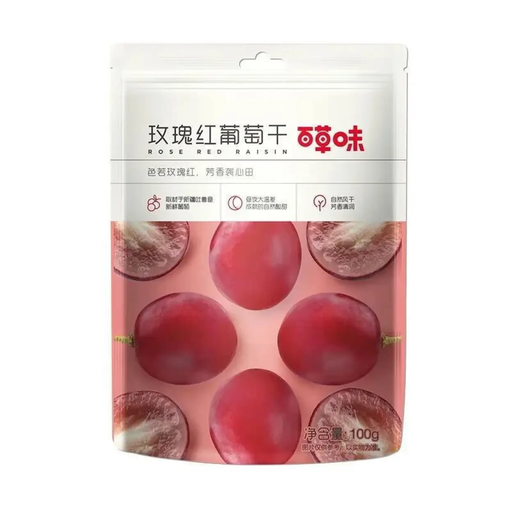 Image unavailable
Be&Cheery Rose red raisins, 100 g
The 100 g bag may suit you if you want to take a small amount of sultanas with you. Compare its figures per 100 g with those of other dried fruit you’re considering, and check the pack label if allergens are a concern.
View on Joybuy
 Image unavailable
Haoxiangni Grade 2 Pitted Red Dates, 500 g
The 500 g bag is worth considering if you’re planning snacks to share, rather than a single portion to pop into a bag. Compare the fat and sugar content per 100 g, then check the allergen information on the pack you buy.
View on Joybuy
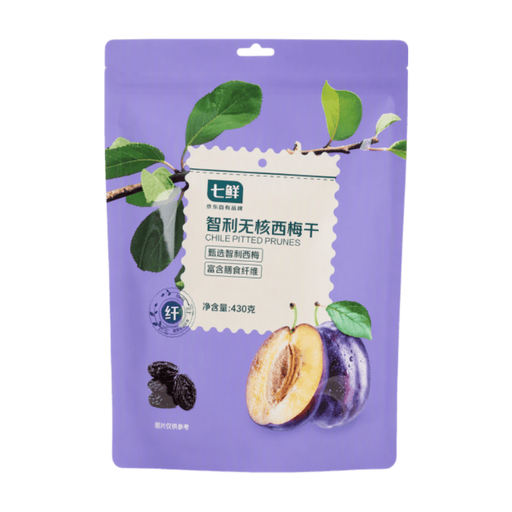 Image unavailable
7FRESH Pitted Prunes, 430 g
This 430 g pack is worth considering for a snack to share. If you’re heading out on your own, think about how much room it’ll take up in your bag. Check the figures per 100 g and the packaging information before choosing it.
View on Joybuy
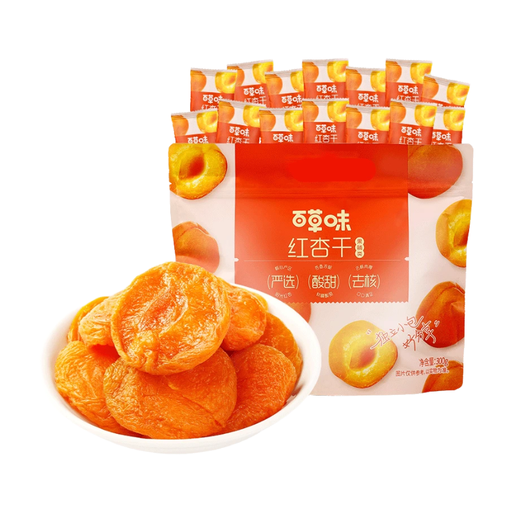 Image unavailable
Be&Cheery Dried Red Apricots, 300 g
The 300 g bag is another dried fruit option for snacks during your trip. If you’re comparing several products, check their fat and sugar content per 100 g separately. Also check the label if you have any allergen-related requirements.
View on Joybuy
Frequently asked questions
Is ‘light’ enough to help you choose a low-fat dried fruit?
No. Compare the fat content per 100 g shown for the products you’re considering. The DGCCRF notes that nutrition claims are regulated; check the ingredients and sugars too, rather than relying on a single claim.
Why distinguish dried fruit from nuts?
Because ‘dried fruit’ can refer to both, without telling you how much fat they contain. Monoprix lists 0.8 g per 100 g for its organic sultanas and around 56 g per 100 g for its roasted salted almonds. Always compare the exact products you’re planning to buy.
How can you check the allergens in a mix to take with you?
Read the highlighted ingredients and check the pack for any ‘may contain’ warnings. The DGCCRF explains the rules for identifying allergens in prepacked foods; the ingredients in a similar product are no substitute for checking the label on the product you buy.
Should you compare portion sizes or figures per 100 g?
Start with the figures per 100 g to compare bags of different sizes: this is the basis for the nutrition information outlined by the DGCCRF. Then consider how much you actually plan to take with you or share.


