
Livraison le jour même ou le lendemain

Qualité garantie

Débloquez vos offres de bienvenue: Livraison GRATUITE | Jusqu'à -80 % | 30 jours d'essai gratuits à JoyPlus
Téléchargez l'application
Cutting down on sugar is not simply a matter of choosing packaging labelled ‘sugar-free’. Between sugar-free drinks, sugar-free biscuits, confectionery and ‘zero’ products, differences in composition can be considerable. A rushed purchase could lead you to a product that is high in polyols, contains sweeteners you prefer to avoid or provides plenty of calories despite containing no sugars.
This guide from the Joybuy Product Recommendation Officer helps you identify the information that really matters before placing your order.
These two claims do not mean exactly the same thing. A product may contain no added sugar while still providing sugars naturally present in milk, fruit or dates.
For example, Chocodate Dark Chocolate No Added Sugar is presented as a product with no added sugar, but its product information states 37.3 g of sugars per 100 g. You should therefore check for dates and sugar in the ingredients list before buying. A careful look at the nutrition table will help you avoid relying solely on the product name.
Sugar-free confectionery often contains isomalt, maltitol or sorbitol. These ingredients help retain a sweet taste, but they may not suit every dietary preference. Consumed in large quantities, polyols can cause digestive discomfort for some people.
Melting Sweet Ginger Gummy Cola sweets contain 0 g of sugars per 100 g, but include 81 g of polyols. They may be suitable for occasional consumption when you follow the recommendations on the packaging, but should not be treated as a snack to eat without limits.
A zero-sugar fizzy drink generally provides very little energy. A sugar-free biscuit or sweet, on the other hand, may still be high in calories because of its fat, cereal or dried-fruit content. Panpan biscuits, for example, contain 470 kcal per 100 g, despite using maltitol and containing no added sucrose.
The best approach is to compare sugars, energy, carbohydrates, fat and the portion you actually eat at the same time.
To choose sugar-free products that fit properly into a balanced diet, check the following:
The ‘sugar-free’ claim is subject to specific European regulatory conditions. It does not necessarily mean ‘free from sweeteners’, ‘carbohydrate-free’ or ‘calorie-free’. For imported products, always compare the information on the packaging with the details on the online product page.
A ready-to-drink beverage should be assessed according to its format, storage requirements and nutritional value. Barebells milkshakes provide 24 g of protein per 330 ml bottle, at around 198 kcal per bottle, and are described as lactose-free and having no added sugar. However, they contain milk and are therefore not suitable for people allergic to milk proteins.
For protein drinks, check in particular:
Small individual formats are convenient at work, after a workout or while travelling. Multipacks, such as packs of 8 milkshakes or 24 cans, can reduce the price per unit, but also increase the risk of storing a product you ultimately consume very little of.
If you follow a low-carbohydrate diet, it is better to read the whole label than to focus on a single marketing claim. For a snack to take with you, the resealability of the bag, individual packaging and shelf life also matter.
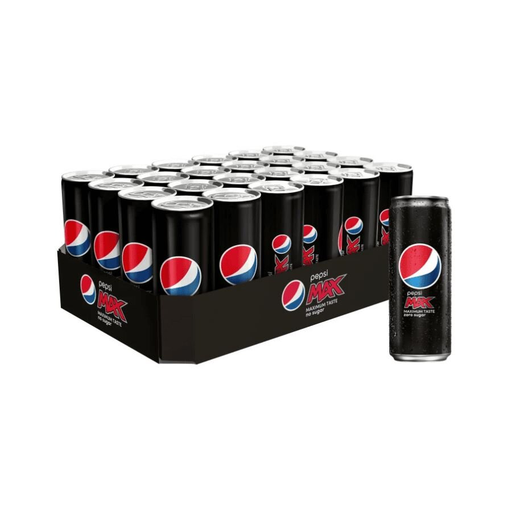
Why this choice suits this profile: The cans are easy to store at home and make it simple to spread out your consumption. The product information states 0 g of sugars and approximately 0.4 kcal per 100 ml.
The nutrition table clearly distinguishes the absence of sugars from the other components. However, the presence of aspartame should be taken into account.
24 cans of 330 ml, 0 g of sugars per 100 ml and made in France, according to the product information.
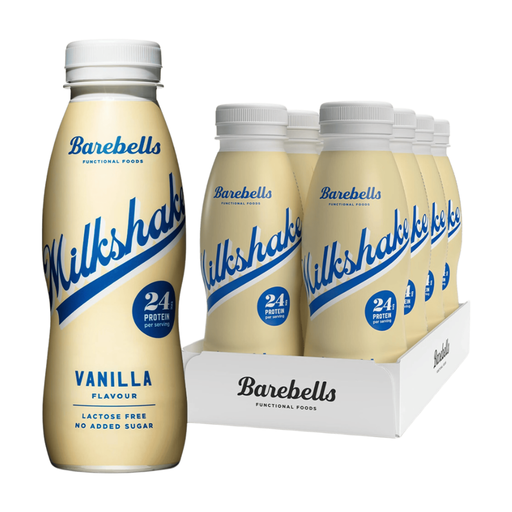
Why this choice suits this profile: With its milkshake texture and individual format, this drink is ideal for people looking for a practical protein option with no lactose and no added sugar.
The product information distinguishes between sugars, carbohydrates and protein: one bottle provides approximately 9.2 g of sugars despite containing no added sugar. This detail helps you avoid jumping to conclusions.
24 g of protein per bottle, approximately 198 kcal and supplied as 8 × 330 ml. Contains milk.
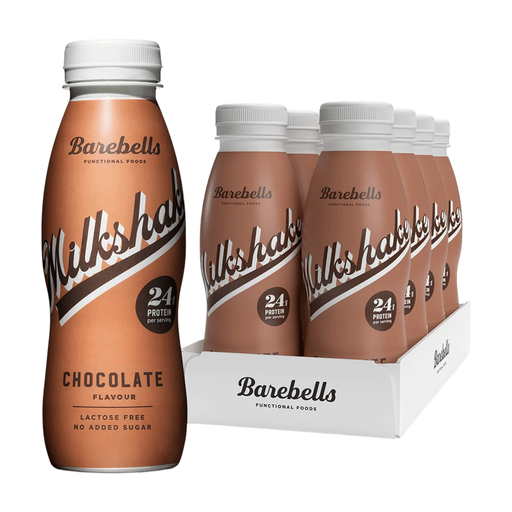
Why this choice suits this profile: Ready to drink, this milkshake can accompany you on journeys, during busy days or while recovering after physical activity, with no preparation required.
The portion is clearly defined and the values are given per bottle. However, the product must be kept chilled after opening and consumed within 24 hours.
24 g of protein, approximately 60 kcal per 100 ml, lactose-free and with no added sugar. Contains milk.
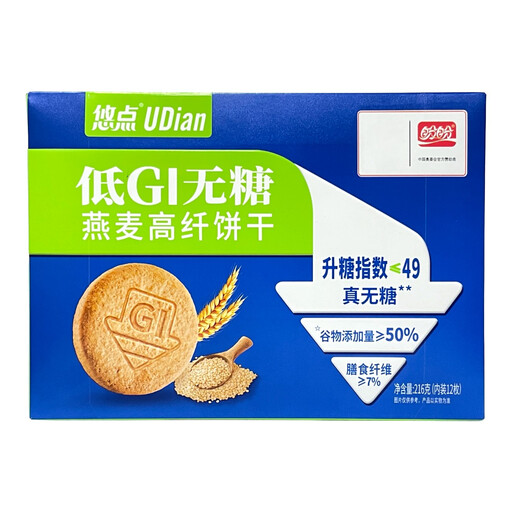
Why this choice suits this profile: Ready to eat, these biscuits can be enjoyed as part of a well-planned break, particularly if you are looking for a cereal- and fibre-based snack.
The product information mentions maltitol and states 11.7 g of sugars per 100 g. ‘Sugar-free’ should therefore not be confused with a product containing no carbohydrates.
216 g, wholemeal flour, oat flakes and 10.6 g of protein per 100 g. Contains wheat, soya, oats and egg.
We have put together a complete, real-time updated selection of products that meet these strict criteria and the requirements of European safety regulations.
Not necessarily. Sweeteners, polyols, cereals, milk and fruit can all provide carbohydrates. Compare the ‘carbohydrates’ and ‘of which sugars’ values for each portion.
It can have a place as part of occasional consumption, but its polyol content should be taken into account. Follow the recommendations on the packaging and adjust the quantity according to your tolerance.
A zero-sugar fizzy drink is primarily a refreshing beverage that provides very little energy. A protein drink provides protein and more calories, so it serves a different purpose. In both cases, check the sweeteners, allergens and portion size.