Don’t automatically replace the sugar in a recipe with sugar-free mints. The products reviewed are sweets or chewing gum, and their ingredients vary depending on the format. If you want to add an occasional hint of mint, you could try a small amount of a hard sweet with a clear ingredient list. However, don’t assume how it will behave in a mixture or during baking.
Who is this option for?
People adapting a homemade recipe
You’re making a cake, biscuits or a cream and want to reduce the sugar without changing the result the recipe is designed to achieve. A sugar-free mint is still a sweet, and its label alone won’t tell you how much to use instead of sugar.
People looking for a hint of mint
You’re considering a decoration or occasional addition rather than reformulating the recipe. Comparing the ingredients in a hard sweet with those in a soft sweet or chewing gum can help you decide what to try in a small amount.
People who pay attention to ingredients
You want to identify the sweeteners used and read any warnings before eating the product or adding it to a recipe. Check the ingredients that matter to your dietary preferences too, as these vary from product to product.
What should you check?
First decide whether you want to change the recipe or simply add a mint flavour. These two uses call for different products.
| What to consider |
What to check |
Who it matters to |
| How the recipe turns out |
Check the product format and the recipe instructions before adding anything. |
If I’m making a cake mixture or cream, I want to get the intended result rather than replace the sugar at random. Around 50% of consumers would prioritise this. |
| Sugars and sweeteners |
Read the “sugars” figure in the nutritional information and identify the sweeteners in the ingredients list. |
I’m looking to limit sugars, but I want to know which sweeteners the chosen sweet contains. Around 33% of consumers would make this a priority. |
| An occasional hint of mint |
Compare the type of sweet and its ingredients list before trying a small amount. |
For a decoration or a small addition, I’m mainly looking for a mint flavour without adding lots of other ingredients. Around 17% of consumers would put this occasional touch first. |
Mistakes to avoid
-
Using a sugar-free mint instead of sugar
Product details published by Carrefour France for Carrefour, Mentos and Hollywood show sweets in different formats, with different sweeteners and, depending on the product, ingredients that affect texture. They don’t establish an equivalent amount to use in a recipe.
If you’re changing the amount of sugar, start with a recipe that specifies the substitute and how much to use. Only use mints where the recipe specifically calls for them, or try a small amount as an occasional addition.
-
Assuming “sugar-free” means “sweetener-free”
The sugar-free sweets and chewing gum reviewed contain sweeteners that vary by product. The wording on the front of the pack doesn’t tell you everything about what’s inside.
Read the ingredients list and nutritional information for the specific product you’re thinking of buying. Don’t assume that the “sugar-free” claim alone means it offers a health benefit.
-
Ignoring the warning about polyols
The product information for Confiseo sweets published by E.Leclerc states that excessive consumption may have a laxative effect.
Check the warning on the packaging and take into account any other products containing polyols that you eat.
-
Choosing chewing gum as a baking flavouring
The ingredients for Hollywood strong fresh mint chewing gum published by Carrefour France include gum base and gelatine. This format is intended to be chewed, not used in place of an ingredient in a cake mixture.
If your recipe calls for a measured amount of mint flavouring, choose a suitable baking ingredient and follow the recipe instructions rather than using chewing gum.
Brands to compare
Carrefour
A 150 g pack of sugar-free mint hard sweets to consider for an occasional addition.
- The product information published by Carrefour France lists maltitols, steviol glycosides and natural mint flavourings.
- These ingredients don’t tell you how much to use instead of sugar in a baking recipe.
Mentos
The product reviewed is a sugar-free, mint-flavoured, sugar-coated soft sweet, which should be treated differently from a baking ingredient.
- The product information published by Carrefour France identifies several sweeteners and ingredients that affect texture.
- Its ingredients include polydextrose and coconut oil, among others. Don’t assume how it will behave in a cake mixture.
Hollywood
The products reviewed include chewing gum and sugar-free mini mint sweets, both intended to be eaten as they are.
- The product information from Carrefour France and Auchan France distinguishes between these two formats.
- The chewing gum reviewed contains gum base and gelatine. Don’t choose it as a sugar substitute or an ingredient for cake mixtures.
Auchan
A sugar-free mint sweet to compare by checking its ingredients list.
- The product information published by Auchan France lists maltitols, steviol glycosides, natural mint flavouring and menthol.
- This information doesn’t tell you how the sweet will behave in a baked recipe.
Confiseo
A 150 g pack of sugar-free mint hard sweets sold at E.Leclerc.
- The E.Leclerc product information lists maltitols, the sweetener E960a and natural mint flavourings.
- It carries a warning that excessive consumption may have a laxative effect. The sweet isn’t presented as a baking ingredient.
Mints available on Joybuy
These sugar-free menthol sweets are confectionery products to compare by taste and ingredients. If you’re considering adding a little to a baked recipe, try a small amount first. None of these products should be treated as an automatic replacement for sugar.
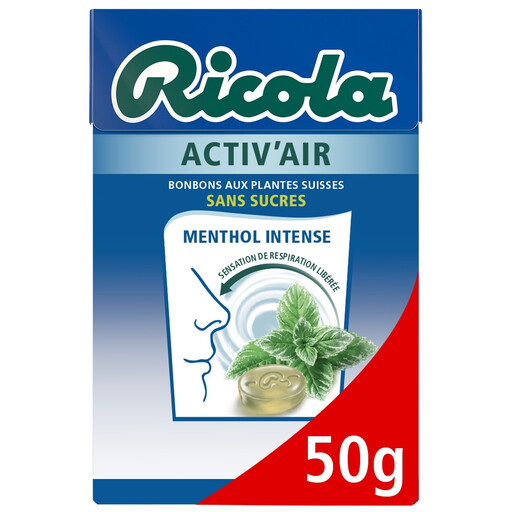 Image unavailable
Ricola Activit'Air Intense Menthol, sugar-free sweets, 50 g
Worth considering if you’re looking for an occasional hint of menthol, after trying a small amount. Check the ingredients list and any warning on the packaging before eating. These sweets aren’t a substitute for the sugar in a recipe.
View on Joybuy
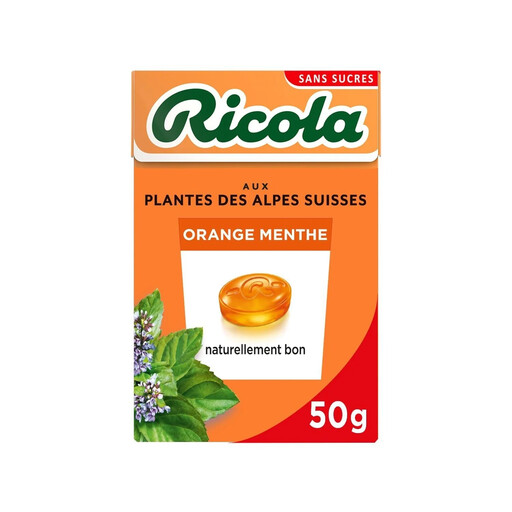 Image unavailable
Ricola Orange Mint, sugar-free sweets, 50 g
Consider this if you’d like to try the Orange Mint flavour for an occasional touch rather than a straightforward mint. Compare its ingredients with those in your chosen recipe. Don’t assume it’s suitable for baking.
View on Joybuy
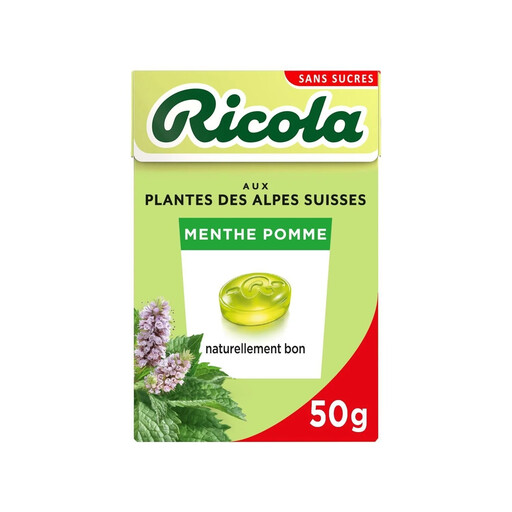 Image unavailable
Ricola Apple Mint, sugar-free sweets, 50 g
Compare the Apple Mint flavour with the other varieties if you’re looking for an occasional addition. Read the ingredients before trying it, and don’t use it to replace the amount of sugar specified in a recipe.
View on Joybuy
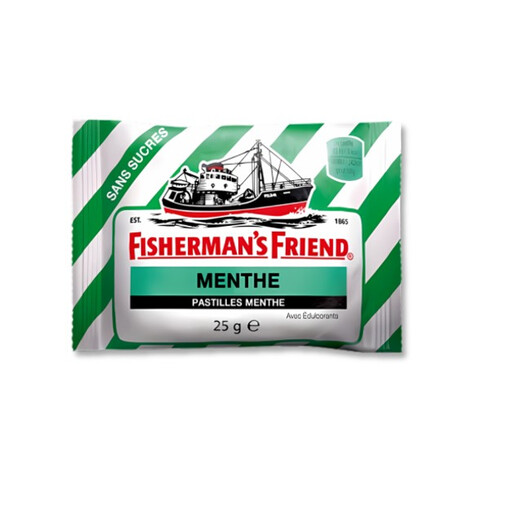 Image unavailable
FISHERMAN'S Mint Pastille S/S, 25 g
Worth comparing if you want a very subtle mint flavour, but not for sweetening a cake mixture. Check the sweeteners and any warnings on the packaging before choosing this variety.
View on Joybuy
Frequently asked questions
Does “sugar-free” mean “sweetener-free”?
No. The product information published for Carrefour and Mentos sweets, as well as Hollywood chewing gum, lists different sweeteners depending on the product. To find out which ones you’re buying, read the ingredients list for the product you’ve chosen.
Can you replace the sugar in a cake with sugar-free mints?
Not as a straightforward swap. These mints are finished confectionery products or chewing gum, and their ingredients don’t tell you how much to use in a cake mixture instead of sugar. If a recipe specifically calls for a mint sweet, follow its instructions. For a simple hint of mint, start by trying a small amount.
What should you check if a mint contains polyols?
Read the ingredients and any warnings on the packaging. The product information for Confiseo sweets published by E.Leclerc states that excessive consumption may have a laxative effect. Also take into account any other products containing polyols that you eat.


