People keeping an eye on sugar
You’re looking for an alternative to a standard chocolate bar. The exact claim on the pack, the ‘of which sugars’ figure per 100 g and whether sweeteners are used matter more than the product name alone.


If keeping sugar intake down is your priority, distinguish between ‘sugar-free’ and ‘no added sugar’: the latter can still contain naturally occurring sugars. For a summer picnic, compare the nutritional information per 100 g, check the allergens in your chosen recipe and plan to keep the chocolate out of the heat.
You’re looking for an alternative to a standard chocolate bar. The exact claim on the pack, the ‘of which sugars’ figure per 100 g and whether sweeteners are used matter more than the product name alone.
You need to carry the chocolate in warm weather and find somewhere to keep it dry, shaded and protected from the heat until it’s time to share.
You’re sharing chocolate with someone who needs to avoid certain ingredients. Check the label for milk, soya, nuts or cereals containing gluten for each recipe, especially if it contains added pieces.
Start by choosing the claim that matches what you’re looking for in terms of sugar, then check the recipe and how you’ll transport it. A standard chocolate bar, a ‘no added sugar’ recipe and a product labelled ‘sugar-free’ don’t meet the same criteria.
| Criteria | What to check | Who is it for? |
|---|---|---|
| Sugar-related claim | The exact wording, ingredients and ‘of which sugars’ figure per 100 g. Under the EU regulation on nutrition claims, ‘sugar-free’ means no more than 0.5 g of sugars per 100 g for solid chocolate. | If my main aim is to limit the declared sugar content, I need to know whether the recipe is ‘sugar-free’ or simply has ‘no added sugar’. Around 42% of consumers prioritise this distinction. |
| Ingredients and allergens | The ingredients list and allergens for the exact product, especially if it contains biscuits, praline or nuts. | If I’m sharing the chocolate bar with someone who has dietary restrictions, I need to know the ingredients in that specific recipe. This is the top priority for around 33% of consumers. |
| Transport in warm weather | Storage instructions and intact packaging that’s easy to protect during the journey. | If the chocolate will be waiting for several hours before the picnic, I want to be able to keep it in the shade and away from the heat. Around 25% of consumers prioritise the journey and how the chocolate will be stored at the picnic. |
These claims have different criteria: no added sugar doesn’t rule out naturally occurring sugars. Nor does it mean the chocolate is free from sweeteners.
Read the full claim, then compare the ‘of which sugars’ figure per 100 g and the ingredients list.
Nutri-Score is optional in France, according to the ministry responsible for the economy. Nutritional information, on the other hand, appears on most pre-packed foods.
Compare the nutritional values per 100 g of products in the same category, even when no Nutri-Score is shown.
Biscuits, praline or nuts change the ingredients in a chocolate bar. Two recipes from the same brand may not carry the same allergen information.
Check the ingredients and allergen information on the packaging of the size you plan to share.
Lindt France and the Joybuy product listings we checked recommend protecting the chocolate bars concerned from heat and storing them in a cool, dry place.
Keep the packaging sealed, place the chocolate in the shade during the journey and avoid leaving it in a hot vehicle.
The brand lets you compare a standard milk chocolate bar sold in France with a ‘No Sugar Added’ product featured on its Dutch website.
A standard milk chocolate bar can be a useful comparison if you’d rather have a size to share than a sugar-related claim.
For filled milk chocolate recipes, compare the whole product’s ingredients, not just the chocolate coating.
A supermarket own-brand milk chocolate bar can also provide a useful comparison for the ingredients in a standard recipe.
These products include a gianduja recipe as well as milk chocolate bars and sweets in sharing sizes. Check the category and sugar claim for each product: a picnic-friendly format won’t necessarily suit anyone looking for ‘sugar-free’ chocolate.
 Image unavailable
Worth considering if you’re comparing sugar claims before your picnic. The product title uses ‘Sugar-Free’, but this wording alone doesn’t confirm that the recipe meets the ‘sugar-free’ criteria. Check the ‘of which sugars’ figure and the ingredients on the packaging. Check the allergens before sharing, too.
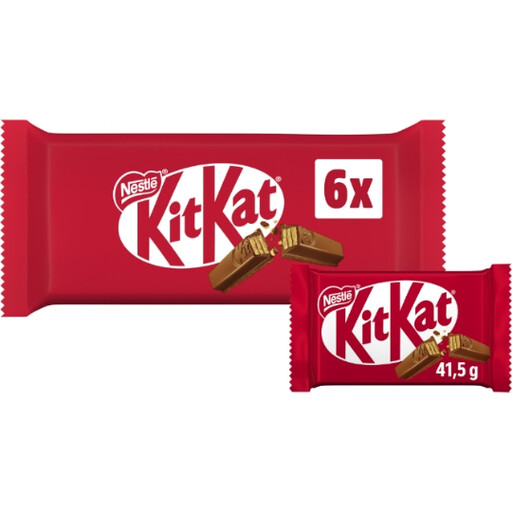 Image unavailable
The pack of six bars makes it easy to share portions at a picnic. These are wafer bars, not plain milk chocolate, so check the sugars and allergens in this recipe.
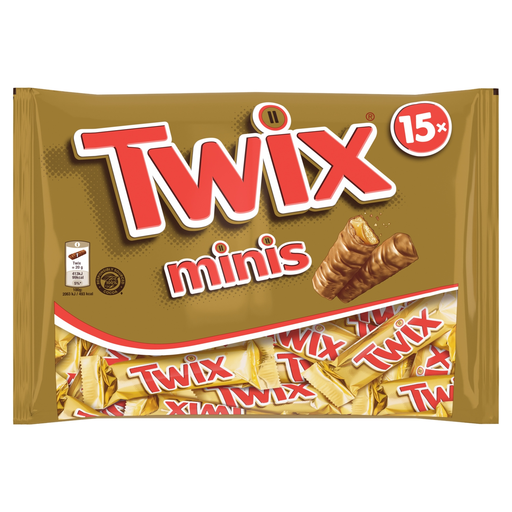 Image unavailable
The mini format makes it easy to hand out the bars without breaking up a chocolate bar. The recipe combines caramel, biscuit and a milk chocolate coating. If ingredients or sugar content guide your choice, compare its label with that of plain milk chocolate.
 Image unavailable
The three bars are easy to share. If you’re looking for a ‘sugar-free’ recipe, check a product that carries this claim and read its nutritional information. Also check the ingredients in this Toblerone before offering it to the other guests.
 Image unavailable
The six tubes offer a different sharing format from a bar you break into pieces. These milk chocolate sweets have a sugary coating. If sugar content is your main concern, read the nutritional information on the packaging before choosing.
No. In France, displaying it is voluntary, according to the ministry responsible for the economy. Nutritional information is required on most pre-packed foods, however, so use it to compare the figures per 100 g for similar products.
No. Under the EU regulation on nutrition claims, ‘sugar-free’ is reserved for products containing no more than 0.5 g of sugars per 100 g in the case of solid chocolate. A ‘no added sugar’ recipe may contain naturally occurring sugars, so check the ‘of which sugars’ figure, too.
Keep it in its packaging, somewhere dry and out of direct sunlight, and avoid leaving it in a hot car. If you’re also carrying food that needs to stay chilled, make separate arrangements to keep it at the right temperature.
The ‘no added sugar’ claim gives no guarantee about milk or other allergens. Read the ingredients list and allergen information for the exact product before sharing it.