
Livraison le jour même ou le lendemain

Qualité garantie

Débloquez vos offres de bienvenue: Livraison GRATUITE | Jusqu'à -80 % | 30 jours d'essai gratuits à JoyPlus
Téléchargez l'application
Sugar-free drinks appeal to adults and young adults who want to replace classic fizzy drinks, reduce their calorie intake or simply enjoy a refreshing drink at the office, after exercise or while travelling. However, the terms ‘zero’, ‘light’ and ‘no added sugar’ do not always mean the same thing.
Before filling your basket, keep these three pitfalls in mind:
Under European rules, the claim ‘sugar-free’ generally corresponds to a maximum sugar content of 0.5 g per 100 ml. The term ‘zero calorie’ refers to a drink with a very low energy content, in line with the applicable regulatory thresholds.
By contrast, ‘no added sugar’ means that no sugar was added during manufacturing. A fruit drink may still contain the sugars naturally present in the juices used. Joker Vitamin Water & Fruit Drink Lemon & Lime No Added Sugar, for example, contains 2.9 g of sugar and 13 kcal per 100 ml, despite having no added sugar.
When comparing two products, always check:
A sugar-free fizzy drink offers an experience closer to that of a classic soft drink, while sugar-free iced tea often has a more botanical note and a less sweet sensation on the palate. If you enjoy fruity flavours, you could also try a sugar-free lemonade with red berries, blueberry or blood orange.
Still drinks, such as vitamin waters, are generally better suited to everyday use and can accompany you throughout a working day. For travelling, 200 to 350 ml formats fit easily into a bag. 500 ml bottles and multipacks are better suited to repeated consumption.
A sugar-free drink is not necessarily free from sweeteners. The label may list acesulfame-K, sucralose, aspartame, erythritol or rebaudioside A. If you are sensitive to certain ingredients, take the time to check the composition before buying.
VITA 0 Sugar Sparkling Lemon Tea contains aspartame, acesulfame-K and sucralose, among other ingredients. Its product information also states ‘contains a source of phenylalanine’. This is an important warning for people affected by phenylketonuria.
Another detail that is often overlooked is that, after opening, some drinks must be refrigerated and consumed quickly. CALYPSO lemonade, for example, should be consumed within two days of opening. You should also check the best-before date printed on the packaging.
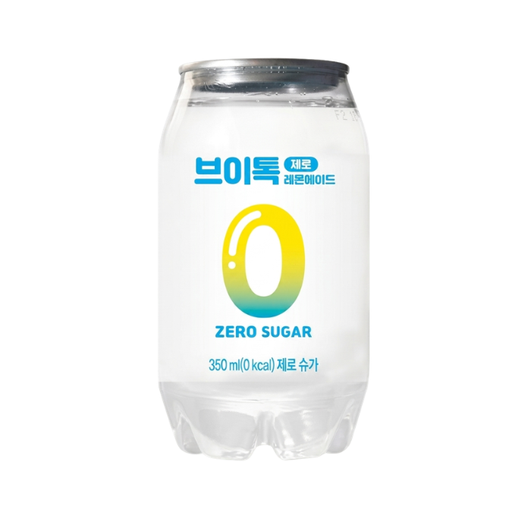
Why this choice suits this profile: At 350 ml, this sugar-free Korean lemonade lets you try something new without immediately ordering a large pack. It is best served chilled and is listed as containing 0 kcal per 350 ml according to the available information.
The product information details the format, the sweeteners used and the energy value, making it easier to compare with a classic soft drink.
Lemon flavour, fine bubbles, a 350 ml bottle and a combination of erythritol, sucralose and acesulfame-K.
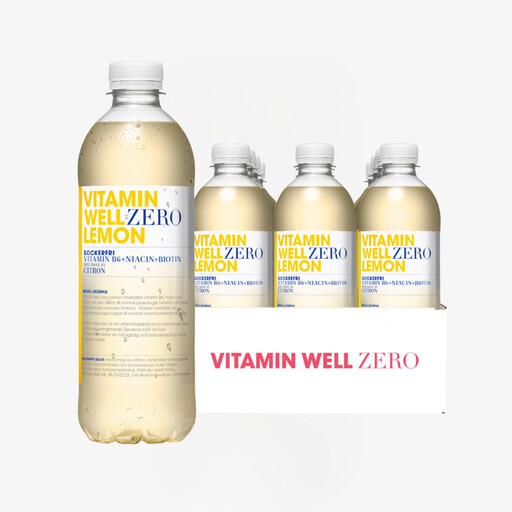
Why this choice suits this profile: This pack of 12 500 ml bottles is designed for a polished presentation and planned consumption. The still recipe combines lemon and lime.
The product information clearly distinguishes between the absence of sugar, calories and carbohydrates, while also detailing the vitamins and minerals present.
0 kcal per 100 ml, a 500 ml bottle and vitamins C, D3, B6, B12, niacin and folic acid.
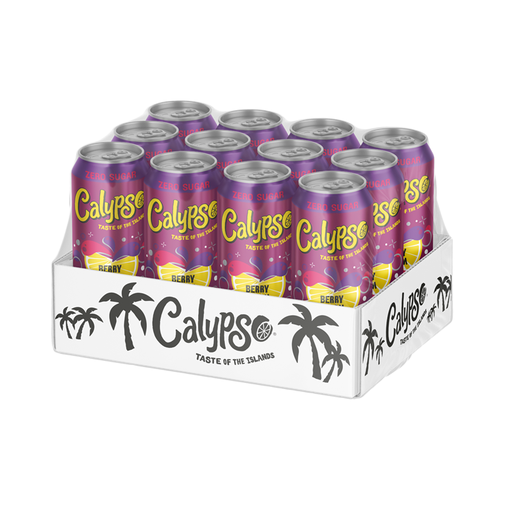
Why this choice suits this profile: With its 12 cans of 330 ml, this pack is suitable for households, offices and any situation where several drinks need to be ready to serve.
The nutrition table lists 2 kcal and 0 g of sugar per 100 ml. This is a useful check instead of relying solely on the ‘zero sugar’ claim.
330 ml cans, Berry Bloom flavour, a sparkling recipe and the sweeteners acesulfame-K and sucralose.
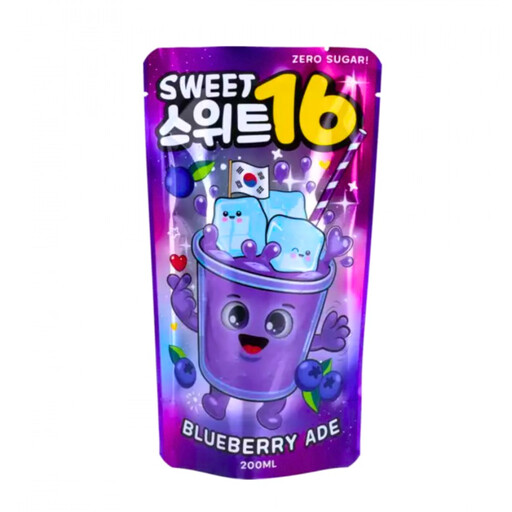
Why this choice suits this profile: This sugar-free Korean drink comes in a 200 ml pouch and can be poured over ice cubes. An original way to move beyond traditional cans.
The product information lists 1 kcal and 0 g of sugar per 100 ml. It also mentions the E129 colouring and the associated warning regarding children’s activity and attention.
200 ml format, blueberry flavour, preparation over ice and a stated energy content of 4 kJ per 100 ml.
We have put together a complete, real-time updated list of products that fully meet these strict selection criteria and European safety regulations.
It all depends on how often you drink them and how much space you have available:
Sugar-free drinks are not intended to replace water every day. They are better viewed as an alternative to very sugary drinks, depending on your tastes and the overall balance of your diet.
Not necessarily. Some products list 0 kcal, while others provide a small amount of energy, such as 1 or 2 kcal per 100 ml. Check the ‘energy’ line in the nutrition table rather than relying solely on the front of the packaging.
A fruit drink with no added sugar may contain the sugars naturally present in the fruit. A zero-calorie drink, on the other hand, has a very low energy content according to the applicable regulatory thresholds. Joker Vitamin Water, for example, contains 20% fruit and 13 kcal per 100 ml, which sets it apart from a lemonade advertised as containing 0 kcal.
It depends on the recipe and the format. Fizzy drinks gradually lose their sparkle, while some bottles must be refrigerated and consumed within two to three days. The instruction on the label of the product you have bought remains the guidance to follow.