If you’re looking specifically for “sugar-free”
If this claim is your priority, check for it on the exact pack, then read the “of which sugars” figure per 100 g. A different claim on the front of the pack won’t necessarily meet this requirement.


If you’re looking specifically for sugar-free cereal, “no added sugar” isn’t enough: according to the European Commission, “sugar-free” means no more than 0.5 g of sugars per 100 g of solid product. For a weekend bowl you can customise, plain cornflakes or oats with a simple recipe may suit a different priority. If you prefer granola with seeds and nuts, compare the nutritional information and allergens on the pack you choose too.
It depends first on what you mean by “sugar-free”: a specific claim on the pack, no added sugars, or a recipe you can customise.
If this claim is your priority, check for it on the exact pack, then read the “of which sugars” figure per 100 g. A different claim on the front of the pack won’t necessarily meet this requirement.
Plain cornflakes or oats let everyone choose what to add to their weekend breakfast. A short ingredients list makes the recipe easier to understand, but doesn’t tell you about sugar or allergens on its own.
If you’re drawn to the crunch of seeds and nuts, compare sugars, fat and energy per 100 g. Check the ingredients and allergens for the specific product too.
Start with the claim that matches your priority, then compare products per 100 g before thinking about what you’ll add to your bowl.
| What matters to you | What to check | Who is it for? |
|---|---|---|
| The “sugar-free” claim | Look for this claim on the pack and check “of which sugars” per 100 g. The European Commission sets the threshold for this claim at 0.5 g of sugars per 100 g of solid product. | If you have a strict requirement, simply having no added sugars doesn’t meet my needs. Around 42% of consumers make this their priority. |
| A base with no added sugars | Read the ingredients and check the “of which sugars” figure: the two claims aren’t equivalent. The E.Leclerc product listing for Bio Village organic cornflakes shows 2.8 g of sugars per 100 g. | If everyone is going to customise their weekend bowl, I look for a simple recipe with no added sugars first. This is the priority for around 33% of consumers. |
| What’s in the granola | Compare sugars, fat and energy per 100 g; also check the cereals, nuts and listed allergens. | I prefer the crunch of granola with seeds and nuts, even if I’m not looking specifically for the “sugar-free” claim. This comes first for around 25% of consumers. |
These claims have different criteria. The Bio Village cornflakes featured by E.Leclerc carry the first claim, but contain 2.8 g of sugars per 100 g. That’s above the 0.5 g per 100 g threshold for the “sugar-free” claim set by the European Commission.
If you require the specific claim, look for it on the pack and check the “of which sugars” figure per 100 g.
This claim doesn’t tell you about the whole recipe or the allergens. Products containing cereals, seeds and nuts can differ in these respects.
Compare the nutritional information per 100 g and read the ingredients list on the pack you’re planning to buy.
The examples below refer to specific products, not every product from each brand. The claim and recipe on the pack are what matter.
An option to consider for no-added-sugar cornflakes as a base for your bowl.
Organic cornflakes to consider if you’re looking for a product with no added sugars.
A granola to consider if you prefer cereals, seeds and nuts to plain cornflakes.
A brand whose recipes are best compared product by product.
A range to compare product by product if the amount of wholegrain cereal in the recipe matters to you.
These two Joybuy options include an oat flake mix with fruit and vegetables, and organic oat flakes to top as you like. If you’re specifically looking for sugar-free cereal, check the claim and the “of which sugars” figure on the exact pack before choosing.
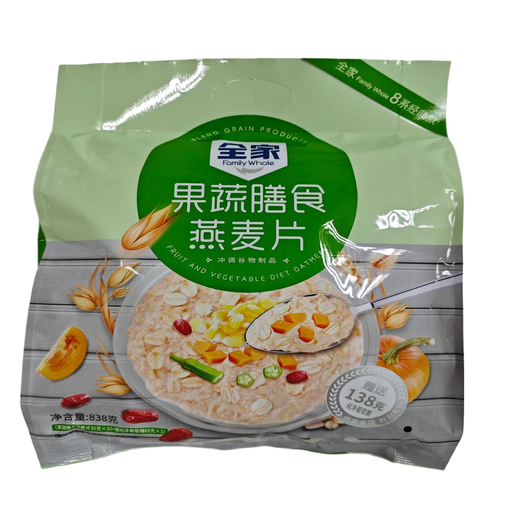 Image unavailable
An oat flake mix to consider if you’re planning a weekend bowl. If you’re keeping an eye on the sugars in your bowl, check the mix’s label and factor in the separate glucose sachet before adding it. Check the allergens on the pack too.
 Image unavailable
An oat-based option to top as you like for a weekend breakfast. If “sugar-free” is your priority, check for this claim and the “of which sugars” figure on the pack. Being organic oat flakes doesn’t tell you whether it meets this requirement.
No. According to the European Commission, the “sugar-free” claim means no more than 0.5 g of sugars per 100 g of solid product. The “no added sugar” claim alone doesn’t confirm that this threshold is met, so check the “of which sugars” figure too.
Yes. The E.Leclerc listing for Bio Village cornflakes shows “no added sugar” and 2.8 g of sugars per 100 g. If you’re specifically looking for the “sugar-free” claim, check for it on the pack you choose rather than relying only on the absence of added sugars.
Read the ingredients, allergens and nutritional information per 100 g, even if the pack carries a sugar-related claim. Under the EU labelling rules, allergens present in prepacked food must be highlighted in the ingredients list.
Follow the date and storage instructions on the pack you buy. This way, you can take account of the specific product and its packaging, rather than applying the same rule to all cereal.