
Livraison le jour même ou le lendemain

Qualité garantie

Débloquez vos offres de bienvenue: Livraison GRATUITE | Jusqu'à -80 % | 30 jours d'essai gratuits à JoyPlus
Téléchargez l'application
Buying sugar online may seem simple, until you start comparing white sugar, sugar cubes, granulated sugar, brown sugar and imported specialities. With claims about origin, sometimes unclear names and pack sizes that are not always suited to your needs, a poor choice can quickly result in an expensive purchase or a product that is impractical for everyday use.
Before filling your basket, check three things: the actual ingredients, the format that suits your needs and the storage requirements. An amber colour does not automatically mean that a sugar is lower in calories. Likewise, a large pack is only worthwhile if you have enough space to store it properly.
Brown sugar, soft brown sugar and dark sugar can have very different textures and compositions depending on the product. Some products consist mainly of sugar, with a small amount of molasses. Others are made from concentrated cane juice, such as panela.
It is therefore better to read the ingredients list than to rely on colour. For example, WEISUN brown sugar lists 99% sugar and 1% molasses. The jar of palm sugar shown below, meanwhile, contains 20% palm sugar, as well as sugar, glucose syrup and water.
A bag of sugar in a large pack can be perfectly suitable for a restaurant, an office or a large family. In a small kitchen, however, it can quickly become cumbersome. Conversely, several small packs may sometimes cost more per kilogram and create more packaging waste.
For coffee and tea, cubes or sticks make portioning easier. In baking, granulated or caster sugar mixes more easily into recipes. Large crystals and rock sugar are generally intended for drinks, desserts and certain Asian recipes.
Sugar can generally be stored in a cool, dry place, away from heat, direct sunlight and changes in humidity. An improperly closed pack can cause hard lumps to form, particularly with brown sugar, soft brown sugar and products containing moister ingredients.
Before ordering, check the best-before date shown on the packaging, the net weight, the country of origin and the identity of the responsible operator when the product is imported into the European Union.
For classic white sugar, the ingredients list may simply say “sugar”. Cane sugar, rock sugar, rock sugar, palm sugar and panela nevertheless have different characteristics. A traditional name should not distract you from checking the essential information about the ingredients.
Nutritional values also allow you to compare products objectively. Several products list around 400 kcal and 100 g of carbohydrate per 100 g, while the jar of palm sugar states 364 kcal and 85 g of sugars per 100 g. This information is not dietary advice: it simply helps you read the label accurately.
A 200 to 500 g pack lets you try a variety without building up too much stock. A 1 to 5 kg bag or box is more suitable for professionals, associations, offices or households that regularly use sugar for baking.
Always compare the price per kilogram, the dimensions of the packaging and how easy it is to reseal after opening. For professional use, pre-portioned sticks can make serving easier. Bags of crystal sugar generally reduce the cost per use.
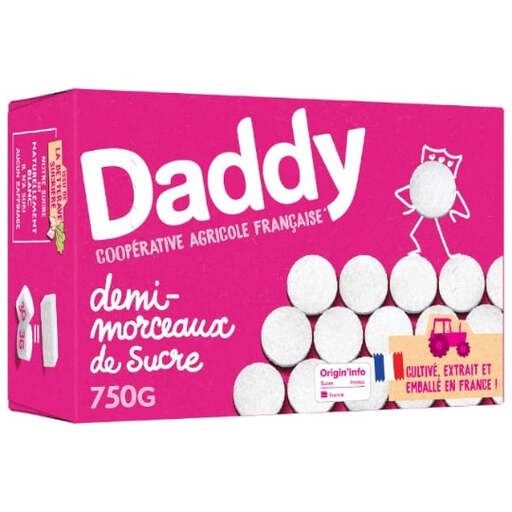
Why this product suits this profile : The 4 g half-cubes are easy to portion in coffee, tea and family desserts. The box contains 750 g, or 244 cubes according to the product listing.
The weight and number of portions are clearly stated, making it easy to estimate the cost per use.
French beet sugar according to the product listing, 750 g, half-cube format and 400 kcal per 100 g.
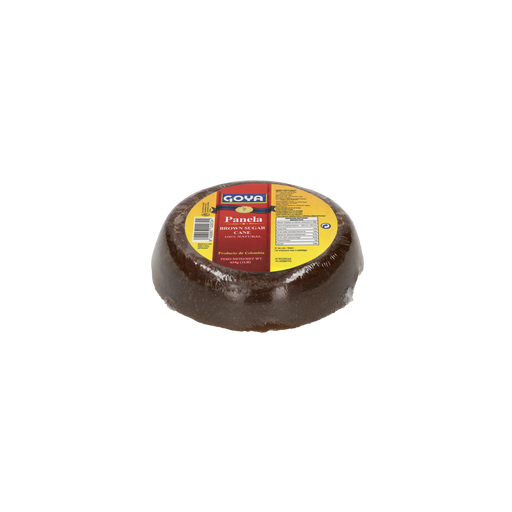
Why this product suits this profile : This Colombian block panela is aimed at enthusiasts of traditional products and Latin American cooking.
The listing states that it is made from 100% sugar cane juice, helping you distinguish panela from flavoured sugar.
454 g block, single ingredient listed and a format suited to recipes requiring concentrated cane sugar.
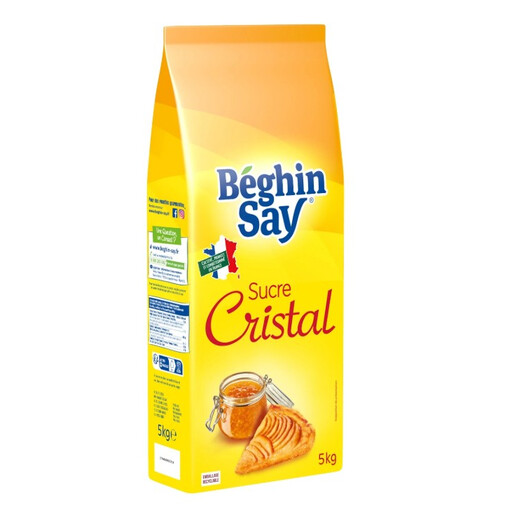
Why this product suits this profile : This 5 kg pack may be suitable for regular baking, offices, cafés, restaurants and other frequent uses.
The net weight is clearly stated, so you can compare it with the price per kilogram and check that you have enough storage space.
Crystal sugar, 5 kg format, with stated values of 400 kcal and 100 g of carbohydrate per 100 g.
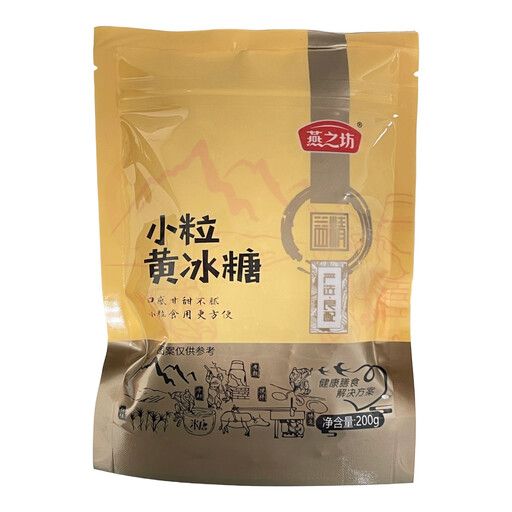
Why this product suits this profile : These small yellow rock sugar crystals can be used in hot drinks, desserts and recipes inspired by Chinese cuisine.
The 200 g pack reduces the risk of overstocking a variety that is only used occasionally.
Yellow rock sugar, 200 g, 99.5 g of sugars per 100 g and guidance indicating use with hot water.
We have put together a comprehensive, real-time-updated list of products that meet these strict selection criteria as well as European safety regulations.
If necessary, transfer the sugar to a clean airtight container, particularly after opening a bag. Store it in a dry cupboard, away from the sink, dishwasher and sources of heat. For brown sugar, soft brown sugar and palm sugar, seal the container carefully to preserve the texture.
Lumpy sugar is generally still safe to consume if it has not been exposed to water or contaminants. However, check its appearance, smell and the information shown on the packaging.
Sugar cubes and sticks make it easy to control portions and minimise handling. At home, a 750 g or 1 kg box may be sufficient. In a café or office, pre-portioned sticks make serving easier.
Yes, brown sugar and soft brown sugar can be used in many biscuit, cake and dessert recipes. However, their texture, moisture content and composition vary from one product to another. Check the ingredients list and follow the recipe quantities rather than automatically replacing caster sugar with an equivalent amount.
Not necessarily, even though it may lower the price per kilogram. Compare the price, delivery costs, amount you actually use and storage requirements. For a family or professional who uses sugar regularly, a 3 to 5 kg format may be worthwhile. For occasional use, a smaller pack helps limit waste and clutter.