People who like to chew after lunch
A piece of chewing gum can be a good choice for a break after a meal or a coffee at work. It’s for when you fancy a fresh taste, not when you need a filling snack.


For a break at work, choose sugar-free chewing gum if you’d like something to chew after a meal, or a sweet to let dissolve if you’d rather not chew. Either way, check the ‘of which sugars’ line, the ingredients and any warnings: ‘sugar-free’ doesn’t mean free from sweeteners or energy, and these products aren’t a substitute for a filling snack.
A piece of chewing gum can be a good choice for a break after a meal or a coffee at work. It’s for when you fancy a fresh taste, not when you need a filling snack.
If you avoid certain sweeteners or ingredients, compare the recipe for the exact variety you’re considering. The products reviewed by Carrefour and E.Leclerc have different ingredients, including soy, milk and gelatine.
A boiled sweet or lozenge that dissolves in your mouth offers a different kind of confectionery. Check the ingredients and, where it appears on the packaging, the warning about excessive consumption.
First decide whether you want to chew or let a sweet dissolve, then compare the ‘sugar-free’ claim and the ingredients for each product.
| What to consider | What to check | Who is it for? |
|---|---|---|
| ‘Sugar-free’ claim | Compare the ‘of which sugars’ figure per 100 g with the list of sweeteners. Under European Union Regulation (EC) No 1924/2006, a ‘sugar-free’ claim means the product contains no more than 0.5 g of sugars per 100 g or 100 ml. | If I want to understand what ‘sugar-free’ means, I check the nutrition information rather than relying on the front of the pack. Around 40% of consumers are said to make this their priority. |
| A break for chewing | Choose a variety and pack size that suit how you’ll use it, and read the ingredients for your chosen flavour. | After lunch at work, I’d rather chew gum than have a sweet. This is said to be the top priority for around 30% of consumers. |
| Ingredients and other types | Check for ingredients you want to avoid, then look for any warning about polyols. Know the difference between chewing gum, boiled sweets and lozenges. | I’m looking to avoid a specific ingredient, or I’d prefer a sweet that dissolves in my mouth. Around 30% of consumers are said to put one of these needs first. |
Carrefour’s product listings for Hollywood Double Fraîcheur and Freedent Fraise mention several sweeteners. The sugar content alone doesn’t tell you how much energy the product provides, either.
Check the ‘of which sugars’ figure, the ingredients and the energy value per 100 g separately.
E.Leclerc’s listing for Confiseo coffee-flavoured boiled sweets warns that excessive consumption may have a laxative effect.
Read the warning on each product where it applies, especially if you plan to have several throughout the day.
Carrefour lists soya lecithin in Freedent Fraise and gelatine in Hollywood Double Fraîcheur; E.Leclerc lists milk ingredients in Confiseo coffee-flavoured sweets.
Check the ingredients for the flavour and pack size you’re planning to buy.
Chewing gum can satisfy the urge to chew, but it isn’t a filling snack in itself. The French Union for Oral Health also points out that sugar-free chewing gum is no substitute for brushing your teeth or cleaning between them.
If your main reason for eating is to tide you over between meals, choose a snack separately.
Carrefour describes Hollywood Double Fraîcheur spearmint as sugar-free chewing gum, supplied in five packs of eight pieces.
Freedent offers chewing gum in individual packs and multipacks. The Fraise product described by Carrefour and the multipack sold on Joybuy are different products.
For the Menthol Eucalyptus product, Carrefour lists a recipe containing 74% xylitol and steviol glycosides.
E.Leclerc describes its coffee-flavoured product as a sugar-free boiled sweet to let dissolve, rather than chew.
These Joybuy products suit two different preferences: chewing gum in packs for a chewing break, and lozenges to let dissolve. Compare the pack size and ingredients for each product before choosing.
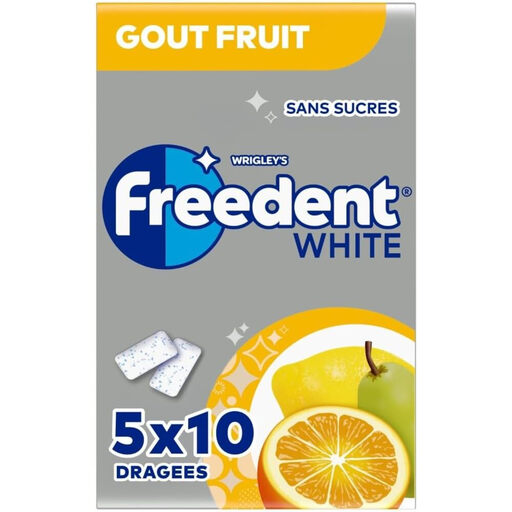 Image unavailable
A multipack to keep at work or take with you for a chewing break. The ingredients listed for this product include soya lecithin and aspartame, so check the label if you avoid either of them.
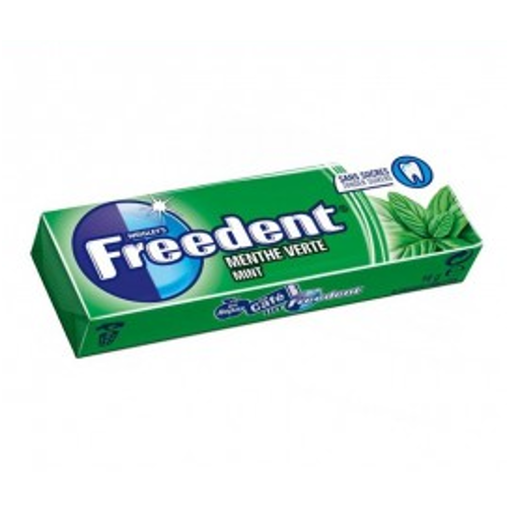 Image unavailable
An individual pack for chewing after a meal. If you avoid soya or aspartame, check the ingredients for this product. Its listing also notes a possible laxative effect if consumed in excess.
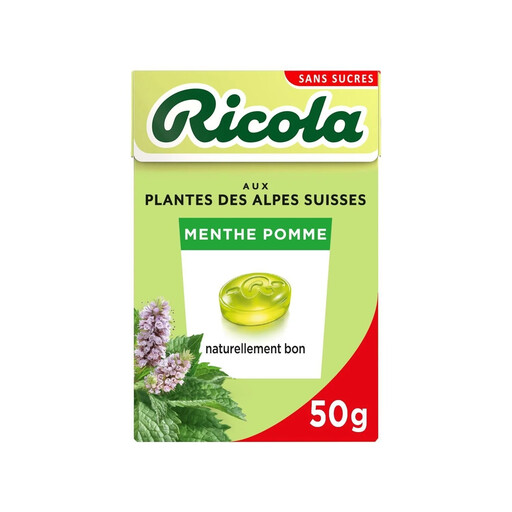 Image unavailable
Herbal lozenges to let dissolve if you’d rather not chew gum. They’re neither chewing gum nor a filling snack; check the nutrition information and ingredients to make sure they suit your needs.
Under European Union Regulation (EC) No 1924/2006, the claim means the product contains no more than 0.5 g of sugars per 100 g or 100 ml. Check the ‘of which sugars’ figure for the product in question: the claim doesn’t mean it’s free from sweeteners.
No. Carrefour’s listings for Hollywood Double Fraîcheur, Freedent Fraise and Milliways Menthol Eucalyptus name various sweeteners. Read the ingredients for the variety and pack size you choose.
No. The French Union for Oral Health says sugar-free chewing gum is no substitute for brushing your teeth or cleaning between them.
Excessive consumption may have a laxative effect, as noted in E.Leclerc’s listing for Confiseo coffee-flavoured boiled sweets. Check the warning on the sweets you choose if you plan to have them regularly at work.