Shoppers who strictly limit sugar
You’re looking for the “sugar-free” label rather than a simple claim that the product contains less sugar. The “of which sugars” line and the ingredients list can then help you compare different products.


For your weekly shop, choose sweets labelled “sugar-free” if this is a strict requirement; a claim that they contain less sugar does not meet the same expectation. Before choosing a bag, compare the sugar content per 100 g and check the ingredients, allergens and any warnings about polyols. If it appears on the pack, the Nutri-Score is supplementary information.
You’re looking for the “sugar-free” label rather than a simple claim that the product contains less sugar. The “of which sugars” line and the ingredients list can then help you compare different products.
When stocking the cupboard for the week, you might consider a reduced-sugar recipe without requiring it to be “sugar-free”. These two claims are not interchangeable.
If milk, gelatine, certain sweeteners or polyols affect your choice, check the label for each product separately, even if you’re buying a different size of a product you already know.
Start by deciding whether “sugar-free” is a must-have or whether a relative reduction is enough for you. Then check the ingredients of the sweets you’re thinking of adding to your basket.
| Criterion | What to check | Who is it for? |
|---|---|---|
| “Sugar-free” label | Look for the exact wording and check “of which sugars” per 100 g; don’t confuse it with “less sugar”. | If I want to stick to a strict filter while shopping, a relative reduction isn’t enough. Around 44% of consumers put this criterion first. |
| Reduced sugar | Compare the grams of sugar per 100 g in the products you’re considering, rather than relying on the reduction claim alone. | To stock the cupboard with a familiar type of sweet, I might prefer a reduced-sugar recipe without requiring it to be “sugar-free”. This is the main priority for around 33% of consumers. |
| Ingredients and warnings | Read the ingredients, allergens and warnings about excessive consumption. | If I need to avoid an ingredient or take polyols into account, the ingredients in the bag matter more than its sugar claim. Around 23% of consumers prioritise this. |
HARIBO describes Croco Baby as containing 30% less sugar, while its product information lists 35 g of sugars per 100 g. So a relative reduction isn’t enough to meet a strict “sugar-free” requirement.
Check the exact wording on the pack and the “of which sugars” line per 100 g.
According to the Ministry of the Economy, the Nutri-Score is optional and complements the nutrition declaration. On its own, it doesn’t tell you whether a recipe contains gelatine or allergens.
Read the nutrition table and ingredients list, then use the logo as supplementary information if it appears on the pack.
Sugar-free recipes may use different polyols. E.Leclerc’s product information for CONFISEO herbal sweets warns that excessive consumption may have a laxative effect.
Check the ingredients and consumption guidance on the bag you choose.
Carrefour’s product information for sugar-free soft sweets lists pork gelatine and possible traces of milk and nuts; Auchan’s information for sugar-free caramel sweets lists milk, among other ingredients.
Check the label on the specific product and size you’re buying, even if you already know the brand.
The retailer offers sugar-free soft sweets, among other options; ingredients vary by product.
The retailer’s range includes sugar-free caramel and herbal sweets.
The range includes sugar-free herbal sweets.
Croco Baby is an example of a product with a reduced-sugar claim, which is different from choosing sweets that are strictly “sugar-free”.
These products are labelled “sugar-free”, making them an option for your weekly shop. They come in different flavours and formats, so check the ingredients of the one you choose.
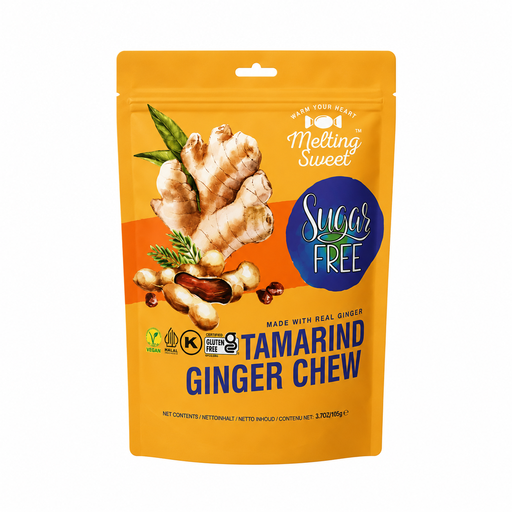 Image unavailable
Worth considering if you’re looking for sugar-free soft sweets for the week. The product information mentions coconut and includes a warning about excessive consumption; check these details on the pack.
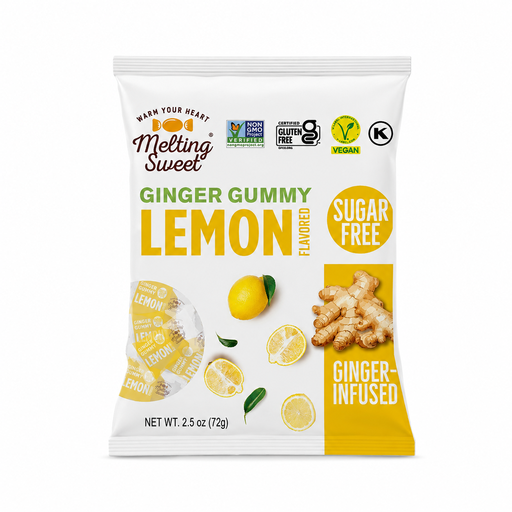 Image unavailable
This size is worth comparing if you prefer gummy sweets with ginger and lemon. The product information mentions coconut and includes a warning about excessive consumption, so check the label before choosing.
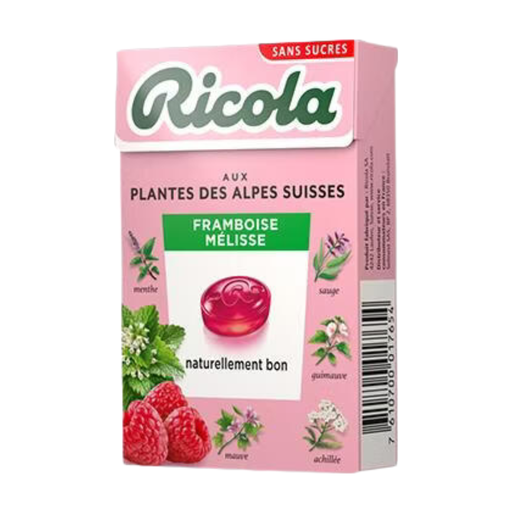 Image unavailable
The pocket tin may appeal if a handy format is important for your shopping. If you’re keeping an eye on polyols, read the ingredients and consumption guidance on the packaging.
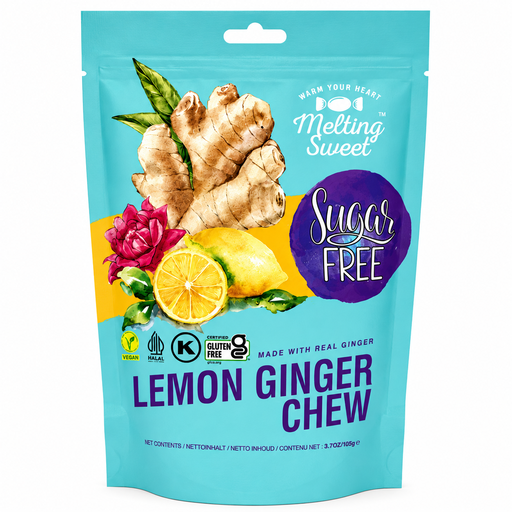 Image unavailable
Consider this variety if you’re looking for lemon and ginger in a 105 g pack. The recipe lists maltitol and sorbitol; check the guidance on the pack.
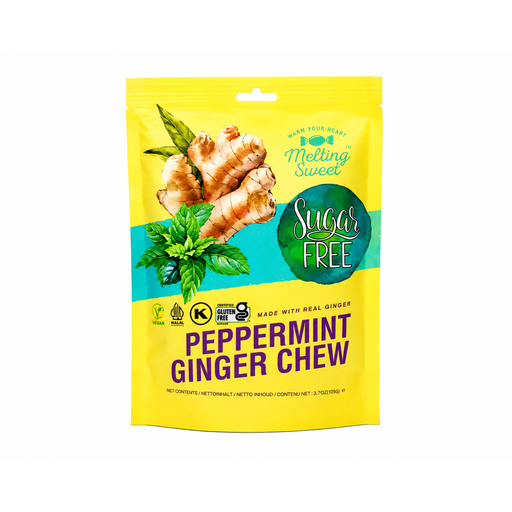 Image unavailable
This variety lets you choose a ginger and peppermint flavour for the week. The recipe lists sorbitol, so read the label if polyols are one of your selection criteria.
No. The Ministry of the Economy says the Nutri-Score is optional and complements the nutrition declaration for pre-packed food. When comparing sweets, the DGCCRF recommends checking the nutrition information given per 100 g.
No. Carrefour says the “sugar-free” claim corresponds to a maximum sugar content of 0.5 g per 100 g or 100 ml. A claim that a product contains less sugar doesn’t tell you its final sugar content on its own: HARIBO’s Croco Baby product information lists 35 g of sugars per 100 g despite the “30% less sugar” claim.
Some recipes use polyols. E.Leclerc’s product information for CONFISEO sugar-free herbal sweets warns that excessive consumption may have a laxative effect. Check the guidance for the specific product you’re buying.