If you’re looking for strictly sugar-free sweets to take on the train, check for the ‘sugar-free’ claim and the ‘of which sugars’ figure per 100 g. ‘No added sugar’ and ‘reduced sugar’ don’t meet the same criteria. Then choose a flavour and quantity to suit your journey, after checking the ingredients and allergens. If Nutri-Score appears on the packaging, it can help you make your choice, but it isn’t compulsory.
Who is this choice for?
Travellers looking for strictly sugar-free sweets
You want to tell the difference between sweets labelled ‘sugar-free’ and products that are simply ‘no added sugar’ or reduced in sugar. The claim on the packaging and the ‘of which sugars’ figure per 100 g are your first things to check.
Travellers who check the ingredients
You want to choose a sweet that fits around the ingredients you avoid. Compare the sweeteners and allergens in each recipe: sugar-free sweets can contain dairy ingredients, for example.
Travellers happy to choose reduced-sugar sweets
You don’t require a ‘sugar-free’ claim and are also considering products with reduced sugar. Check the sugar content per 100 g before deciding whether it meets your criteria.
What should you check before buying?
For a strictly sugar-free choice, start with the claim and the nutritional information. Then compare the recipes by their ingredients and format.
| Criteria | What to check | Who is it for? |
|---|
| ‘Sugar-free’ claim |
Look for this claim, then check the ‘of which sugars’ figure per 100 g. Don’t confuse it with ‘no added sugar’ or ‘reduced sugar’. |
If you want to stick strictly to the ‘sugar-free’ criterion, simply reducing the sugar content isn’t enough. Around 44% of consumers make this their top priority. |
| Ingredients and allergens |
Read the list of sweeteners and check the highlighted allergens for your chosen flavour. |
If you avoid certain ingredients, the recipe matters just as much as the claim on the packet. This is the top priority for around 33% of consumers. |
| Format and flavour |
Compare the net weight and choose a flavour and quantity to suit your journey. |
If you fancy a small sweet treat while travelling, you could choose a quantity that’s easy to take with you and a flavour you enjoy. Around 23% of consumers put this need first. |
Common mix-ups to avoid
-
Confusing ‘reduced sugar’ with ‘sugar-free’
Haribo describes Croco Baby as having ‘30% less sugar’, while its product page lists 35 g of sugars per 100 g. A relative reduction alone doesn’t meet the ‘sugar-free’ criterion.
If this criterion is essential for you, look for the ‘sugar-free’ claim and check the declared sugar content per 100 g.
-
Treating Nutri-Score as a must-have
The DGCCRF states that displaying Nutri-Score is voluntary in France. If it isn’t shown, you still need to check the nutritional information.
When it is displayed, consider it alongside the nutrition declaration and ingredients list. Don’t assume that a sweet is right for you based on this logo alone.
-
Overlooking the recipe behind the ‘sugar-free’ claim
Carrefour’s product page for sugar-free caramel sweets lists fresh cream among the ingredients. Ingredients can vary from one flavour to another.
Check the ingredients and allergens for the specific product you plan to take with you.
-
Choosing a quantity that doesn’t suit your journey
If you’re having a sweet treat on the train, the net weight and how much room the packet takes up may matter more than its size alone.
Choose a quantity you’ll actually want to take with you on this journey.
Brands to compare
Carrefour
The Carrefour products reviewed include caramel and mint sweets described as sugar-free.
- The Carrefour Selection caramel sweets product page lists maltitol syrup, isomalt and steviol glycosides among the ingredients.
- This recipe also contains fresh cream, so check the ingredients if you avoid dairy.
Auchan
The Auchan products reviewed let you compare sugar-free mint and caramel sweets.
- The mint sweets product page lists maltitols and steviol glycosides. The caramel sweets contain less than 0.5 g of sugars and 90 g of polyols per 100 g.
- Check the recipe for each flavour if sweeteners or polyols affect your choice.
Haribo
Croco Baby is worth comparing if you’re happy with a reduced-sugar product rather than strictly sugar-free sweets.
- Haribo describes this product as having ‘30% less sugar’.
- Its product page lists 35 g of sugars per 100 g, so it doesn’t meet the ‘sugar-free’ criterion.
Sugar-free sweets available on Joybuy
For a sweet treat to take on the train, this selection includes two ginger sweets with different textures, as well as blackcurrant drops. Compare their flavour, format and ingredients to find the right option for you.
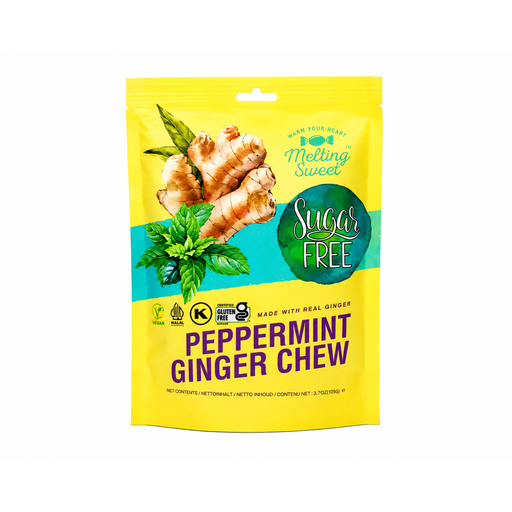 Image unavailable
MELTING SWEET sugar-free soft ginger and mint sweets, 105 g
Worth considering for a little treat on your journey if you like ginger and mint. If they’re important to your choice, check the ingredients list and polyol content on the packaging.
View on Joybuy
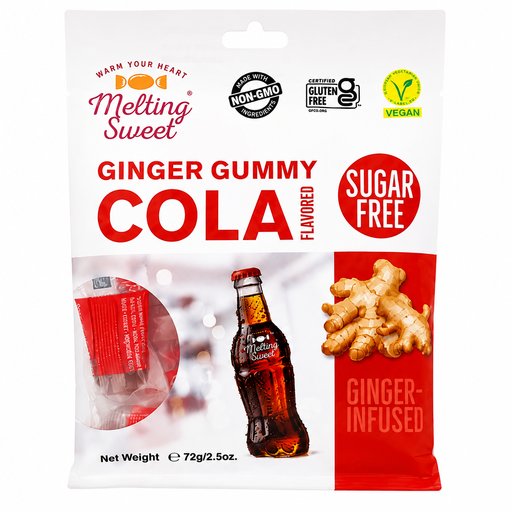 Image unavailable
MELTING SWEET sugar-free ginger and cola jelly sweets, 72 g
This option is for travellers who prefer a jelly texture and cola-ginger flavour. Check the ingredients and polyol content shown on the packaging before choosing.
View on Joybuy
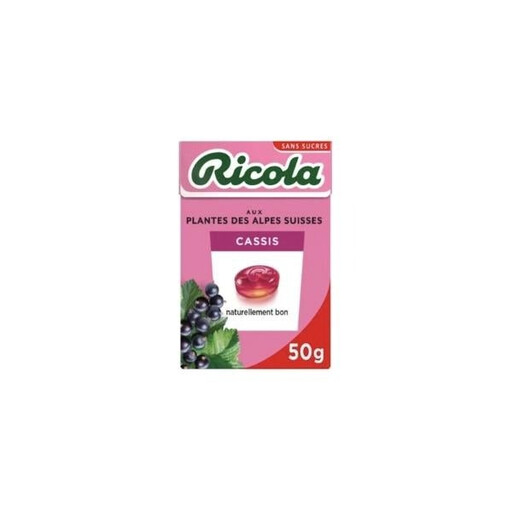 Image unavailable
RICOLA Blackcurrant sugar-free drops, 50 g
Worth considering for a break on the train if you’re after blackcurrant drops rather than soft or jelly sweets. Check the ingredients and nutritional information for this variety before buying.
View on Joybuy
Frequently asked questions
What does ‘sugar-free’ mean on sweets sold in France?
Under the European regulation on nutrition claims, sweets labelled ‘sugar-free’ must contain no more than 0.5 g of sugars per 100 g. Check the ‘of which sugars’ figure per 100 g in the nutritional information.
Does ‘no added sugar’ mean ‘sugar-free’?
No. European regulations treat these as two separate claims: ‘no added sugar’ doesn’t guarantee that a product meets the threshold for ‘sugar-free’. Check the declared sugar content per 100 g.
Do sweets have to display Nutri-Score?
No. The DGCCRF says Nutri-Score is voluntary in France, while a nutrition declaration is compulsory for prepacked foods within its scope. You can still compare the nutritional information and ingredients without this logo.


