When choosing sugar-free sweets, first check the claim and the ‘of which sugars’ figure per 100 g, then look at the pack size and ingredients. Ingredients and warnings matter, especially if you avoid certain allergens or are mindful of polyols. The Nutri-Score, which is optional according to the DGCCRF, is no substitute for reading the label.
Who are these criteria for?
People looking for the ‘sugar-free’ claim
If this claim is important to you, distinguish it from ‘no added sugars’ and ‘reduced in sugars’, then check the ‘of which sugars’ figure per 100 g. The European regulation on nutrition claims defines the threshold for ‘sugar-free’.
People who buy sweets regularly
Check the net weight and choose a pack size that suits how much you expect to eat, rather than comparing packs of different sizes as if they were equivalent.
People who pay close attention to ingredients
Carrefour, Auchan and E.Leclerc product listings show that recipes can differ in their sweeteners, dairy ingredients or use of gelatine. Check the ingredients list and warnings for the product you choose.
What should you check before choosing?
| Criterion | What to check | Who is it for? |
|---|
| ‘Sugar-free’ claim |
Look for the claim and the ‘of which sugars’ figure per 100 g. European regulations set the threshold for this claim at no more than 0.5 g of sugars per 100 g or 100 ml. |
I want to rule out sweets that are merely ‘reduced in sugars’ and choose those that carry the claim I’m looking for; around 36% of consumers prioritise this distinction. |
| Pack size |
Compare the net weight and choose a pack size that suits how much you expect to eat. |
If I buy them regularly, I want a quantity I’ll actually use; around 29% of consumers put this first. |
| Ingredients |
Check the sweeteners, allergens, ‘may contain’ statements, whether gelatine is included and any warnings. |
Before choosing a recipe, I need to know whether its ingredients meet my dietary requirements and take any warnings into account; this is the top priority for around 21% of consumers. |
| Texture and flavour |
Choose between hard, chewy and gummy sweets, then compare the flavours that appeal to you. |
Once I’ve checked the claim, I prefer to choose between mint, herbal, caramel or fruit flavours to suit my taste; around 14% of consumers prioritise this criterion. |
Mistakes to avoid
-
Confusing ‘reduced in sugars’ with ‘sugar-free’
Haribo describes Croco Baby as containing 30% less sugar, while also stating that it contains 35 g of sugars per 100 g. It therefore does not meet the European threshold for the ‘sugar-free’ claim.
If you’re specifically looking for this claim, check the wording and the ‘of which sugars’ figure per 100 g.
-
Looking only for the ‘with stevia’ claim
Carrefour and Auchan listings for caramel sweets also show maltitol, isomalt and dairy ingredients.
Read the full ingredients list and check the allergens before choosing a recipe.
-
Ignoring the warning about polyols
Listings for Confiseo herbal and mint sweets carry the warning ‘excessive consumption may have laxative effects’.
Check the warnings on the pack and take them into account when deciding how much you plan to eat.
Useful brands for comparing recipes
Carrefour
Carrefour listings include soft sweets and sugar-free caramel sweets, with different ingredients in each recipe.
- The listing for the soft sweets names the sweeteners and states that they contain pork gelatine.
- The same listing warns that they may contain traces of milk and nuts; the caramel recipe contains fresh cream. Check the listing for the product you choose.
Auchan
The recipes listed include sugar-free caramel and herbal sweets.
- Their listings detail the sweeteners, including steviol glycosides used with polyols.
- The caramel recipe listed by Auchan contains fresh cream made from milk.
Confiseo, présenté sur E.Leclerc
E.Leclerc listings feature sugar-free Confiseo herbal and mint sweets.
- These two options let you compare different flavours of hard sweets.
- Their listings mention sweeteners and include a warning about excessive consumption.
Haribo
Croco Baby is a useful example of the difference between reduced sugars and the regulated ‘sugar-free’ claim.
- Haribo states both ‘30% less sugar’ and the nutritional value per 100 g.
- With 35 g of sugars per 100 g according to Haribo, Croco Baby is not one of the ‘sugar-free’ sweets covered here.
Sugar-free sweets available on Joybuy
These products carry the ‘sugar-free’ claim and come in different pack sizes and flavours. Compare their ingredients and quantities to find the right option for you.
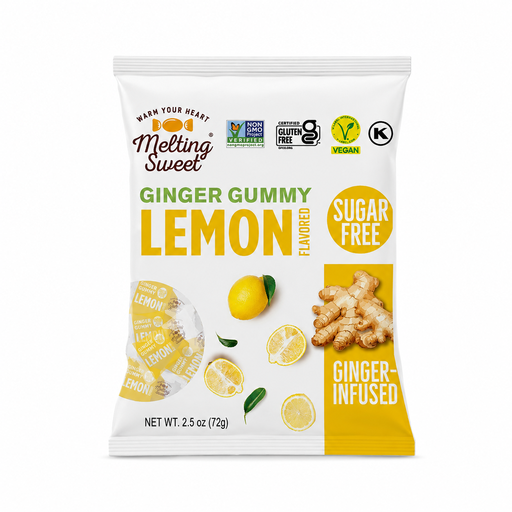 Image unavailable
MELTING SWEET Soft Ginger Gummy Lemon, sugar-free, 72 g
A good choice if you prefer a ginger and lemon gummy sweet. The product listing notes that it contains coconut and includes a warning about excessive consumption; check these details before choosing.
View on Joybuy
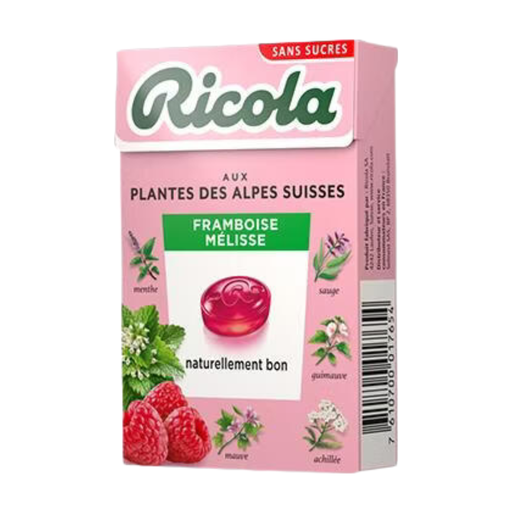 Image unavailable
Ricola Raspberry & Lemon Balm Sugar-Free, pocket tin, 50 g
Keep a small tin of raspberry and lemon balm herbal sweets close at hand. The listed recipe contains isomalt, so check the ingredients and warnings on the product.
View on Joybuy
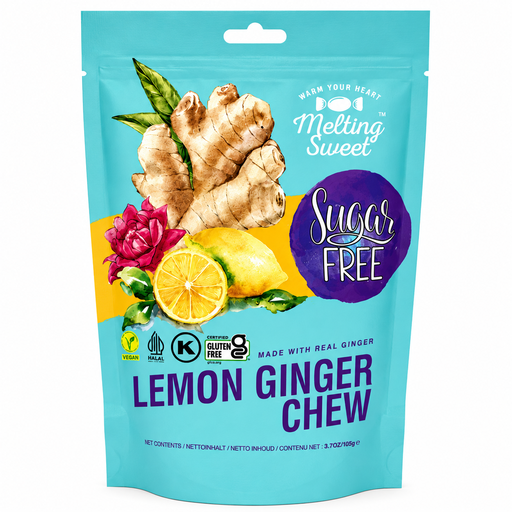 Image unavailable
MELTING SWEET Lemon Ginger Chew, sugar-free, 105 g
A good choice if you’re looking for soft lemon and ginger sweets in a resealable bag. The listed recipe contains maltitol and sorbitol, so take the warnings about polyols into account.
View on Joybuy
Frequently asked questions
What does ‘sugar-free’ mean on sweets sold in France?
Under the European regulation on nutrition claims, this claim can only be used if the product contains no more than 0.5 g of sugars per 100 g or 100 ml. ‘No added sugars’ and ‘reduced in sugars’ are different claims, so check the ‘of which sugars’ figure per 100 g too.
Does Nutri-Score have to appear on sweets?
No. The DGCCRF states that Nutri-Score is voluntary in France, while nutrition labelling on prepacked foods is generally mandatory. If the logo is present, you can refer to it, but it does not replace the nutritional information or ingredients list for the sweets you choose.
Why do some sugar-free sweets carry a warning about excessive consumption?
Some recipes contain polyols. E.Leclerc listings for Confiseo herbal and mint sweets state that excessive consumption may have laxative effects. Check the warning on the pack you choose.


