Organisers comparing sugar content
You want to check sugar content without presenting confectionery as a food that is good for your health. Read the wording on the pack alongside the nutrition information per 100 g and the ingredients list.


For a school fundraiser, sweets labelled ‘sugar-free’ may help you compare sugar content, but the label alone does not tell you everything about their ingredients or whether they are suitable for handing out to children. Choose a format that works for your plans, then check the exact product for its nutrition information per 100 g, ingredients, declared allergens and any warnings about sweeteners or polyols. Nutri-Score can be a useful guide when displayed, but displaying it is voluntary in France, according to the Ministry of the Economy.
You want to check sugar content without presenting confectionery as a food that is good for your health. Read the wording on the pack alongside the nutrition information per 100 g and the ingredients list.
You need to count and hand out products during the fundraiser. The packaging and whether the manufacturer's information can remain accessible matter just as much as the stated number of pieces.
You want to check the polyols, sweeteners, declared allergens and warnings before offering a product to children. A ‘sugar-free’ label is no substitute for checking these details.
For a school fundraiser, start with the organiser's instructions and how the products will be handed out. Then compare products in the same category using their packaging: ‘sugar-free’ and ‘no added sugars’ are two different claims, and neither tells you everything about the nutritional values.
| What matters | What to check | Consumers concerned |
|---|---|---|
| Sugar content | Compare the ‘of which sugars’ figure per 100 g and the exact wording of the claim on each pack. | If I’m looking to limit the sugar shown on the label, I want to distinguish between the two claims before choosing confectionery. This is a priority for around 36% of consumers. |
| Distribution | Check the packaging, net weight and how the manufacturer's information will remain accessible. | When volunteers are running a fundraiser, I want to be able to count and hand out the sweets without losing access to the packaging information. Around 29% of consumers put this organisational aspect first. |
| Nutrition information | Compare the values per 100 g; use Nutri-Score only if it appears on the products you are comparing. | To choose between several products, I need clear nutrition information rather than relying on a single claim on the front of the pack. This is the main concern for around 21% of consumers. |
| Ingredients and warnings | Read the ingredients list, declared allergens and any warnings about polyols. | Before handing products out to children, I want to spot any ingredients and precautions that affect how the product should be offered. Around 14% of consumers prioritise this check. |
In France, displaying it is voluntary, according to the Ministry of the Economy. The DGCCRF states that nutrition information is mandatory for most prepacked foods, so the absence of the logo is no reason to skip reading that information.
If Nutri-Score appears on comparable products, you can use it as a guide; also compare their nutrition information per 100 g.
The claim alone does not tell you about all the ingredients or the energy content. For example, Auchan's product listing for a sugar-free caramel sweet shows less than 0.5 g of sugars and 90 g of polyols per 100 g. These figures tell you different things.
Read the nutrition information and ingredients for the exact product, and avoid presenting sweets as a choice that is good for your health.
Some sugar-free sweets contain polyols. Excessive consumption may have a laxative effect, and organisers may not know what else a child has eaten.
Keep the manufacturer's warnings accessible and arrange to hand out the products rather than relying on an unmonitored self-service setup.
Your choice of product also depends on the arrangements for the fundraiser, including which products are accepted, packaging requirements and access to allergen information.
Ask the school or organising association for its instructions before finalising your selection.
Packaging that does not meet these requirements could mean having to rethink the products planned for the fundraiser.
The Carrefour catalogue features confectionery labelled ‘sugar-free’ or ‘no added sugars’, as well as lozenges from several brands. This gives you a chance to look at different categories and claims.
Auchan lists, among other products, sugar-free stevia caramel sweets in a 120 g bag.
Sugar-free Ricola lozenges are listed in the Carrefour catalogue. This format may not meet the same needs as a bag of sweets to share.
These products are labelled ‘sugar-free’ in their names: three ginger confectionery products and a tin of lozenges. For a school fundraiser, the packaging and label on the product delivered are key, particularly for checking ingredients, allergens and warnings.
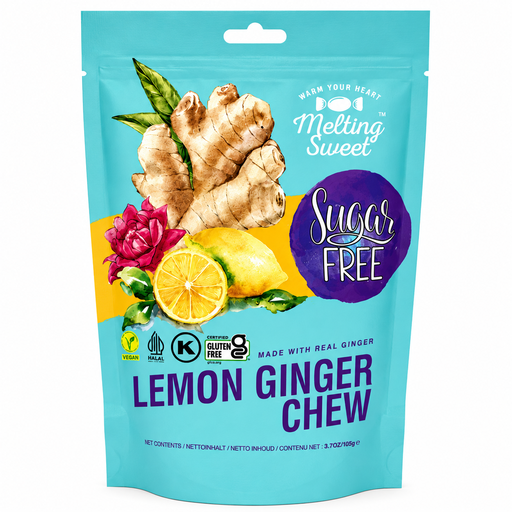 Image unavailable
Worth considering if a bag of lemon and ginger sweets suits your fundraising plans. The product information describes a resealable bag. Before offering it to children, check the packaging for ingredients, polyols, declared allergens and warnings.
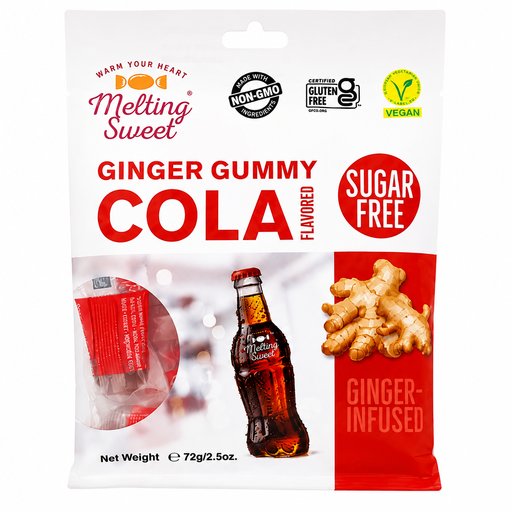 Image unavailable
This bag of gummy sweets offers a cola flavour among the ginger products. The listing describes resealable packaging; check the pack delivered for nutrition information, polyols, declared allergens and consumption advice.
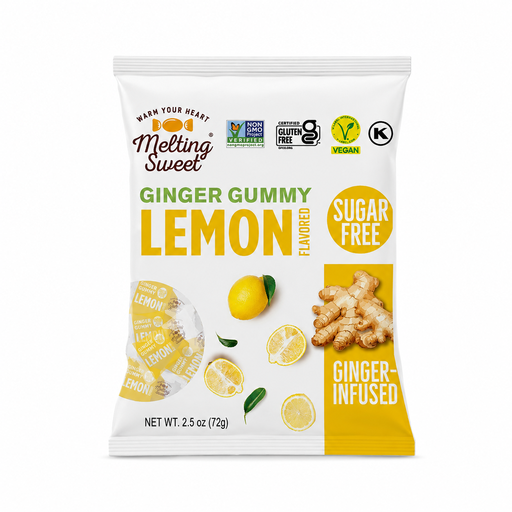 Image unavailable
This product is worth considering if you plan to hand out individual pieces: the listing describes individually wrapped sweets. It also mentions coconut and a warning about excessive consumption. Check these details and the other information on the packaging delivered.
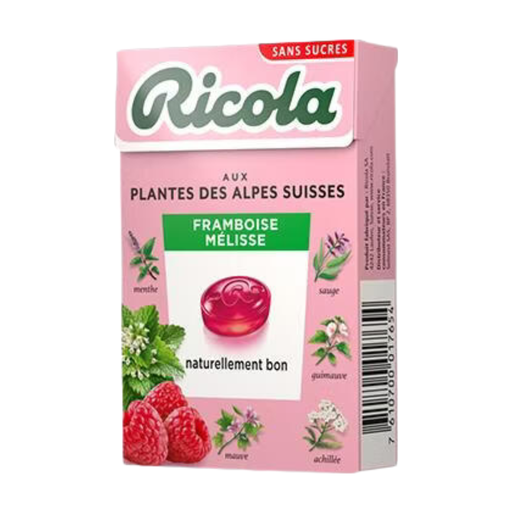 Image unavailable
Consider this tin of lozenges only if the format suits your plans for handing out products: it is different from a bag of gummy sweets to share. Check the tin for ingredients, nutrition information per 100 g, declared allergens and warnings.
No. According to the Ministry of the Economy, displaying it is voluntary in France, while the DGCCRF states that nutrition information is mandatory for most prepacked foods. If the logo is missing, read the nutrition information per 100 g rather than ruling out the product straight away.
No. The claim describes one aspect of the ingredients, not the whole product or how it should be handed out. Santé publique France recommends limiting sugary products in children's diets. Anses has found no convincing evidence to support encouraging the replacement of sugar with intense sweeteners as part of a public health policy. So check the ingredients, warnings and format too.
Some sugar-free confectionery contains polyols, and excessive consumption may have a laxative effect, as noted in European regulations covering certain confectionery. Check the ingredients and warnings for the product you choose, and don't use the weight of the pack alone to estimate how much a child has eaten.
First, ask the school or organising association about the requirements for the fundraiser and how products should be handed out. Then check the packaging of the product you choose: you should be able to check the exact claim, sugars per 100 g, ingredients, declared allergens and warnings.