People looking for sugar-free sweets
You want to distinguish this claim from a simple reduction in sugars. The ingredients list and nutrition information matter just as much as the claim on the front of the pack.


For a National Day celebration, choose sweets labelled ‘sugar-free’ if that is your priority, but check the sweeteners, polyols, allergens and warnings on the packaging. If your guests have different preferences, keep these separate from reduced-sugar sweets and classic confectionery: the three categories do not meet the same needs. In France, the Nutri-Score is voluntary, according to the Ministry of the Economy. The nutrition declaration on prepacked foods, which is generally required according to the DGCCRF, lets you compare values per 100 g.
You want to distinguish this claim from a simple reduction in sugars. The ingredients list and nutrition information matter just as much as the claim on the front of the pack.
You want to offer different types of confectionery without giving the impression that reduced-sugar sweets are sugar-free. Clearly labelled containers help guests identify each recipe.
A reduced-sugar option may catch your eye, but check its ingredients and remember that it still contains sugars.
Start by deciding what type of sweets you want to serve, then check the ingredients of each product before putting together your selection.
Worth considering: when the ‘sugar-free’ claim is your main priority.
Bear in mind: recipes may contain polyols or other sweeteners; check the product-specific warnings too.
Worth considering: if you want to compare a recipe described as reduced in sugars and check separately whether it contains sweeteners.
Remember: ‘reduced in sugars’ does not mean ‘sugar-free’.
Worth considering: if your choice is mainly about the flavours and textures you want to share.
Remember: keep these separate for guests specifically looking for sugar-free sweets.
| Criteria | What to check | Who is it for? |
|---|---|---|
| ‘Sugar-free’ claim | Check the product description and the ‘of which sugars’ line per 100 g; don’t confuse ‘sugar-free’ with ‘reduced in sugars’. | I’m looking first for sweets labelled sugar-free and want to avoid choosing a recipe that is only reduced in sugars. Around 36% of consumers rank this distinction as their top need. |
| Ingredients | Read the ingredients, allergen information and warnings, particularly those about excessive consumption. | If I’m preparing sweets for guests with dietary requirements or preferences about ingredients, knowing what’s in the recipe comes first. Ingredients would be the main concern for around 29% of consumers. |
| Buffet selection | Clearly separate sugar-free, reduced-sugar and classic recipes; check the available pack sizes. | So everyone knows what they’re choosing, I’d rather have a clearly separated selection than an indistinguishable mix. Sharing and variety would come first for around 21% of consumers. |
| Pack size and availability | Check the net weight and the collection or delivery options that work for your plans. | When I’m getting ready for the celebration, I need to find a pack size that suits the number of guests and get the products in time. Around 14% of consumers would prioritise these practical considerations. |
The ingredients list for Carrefour Original sugar-free fruit sweets, published by Carrefour France, includes maltitols, among other ingredients. So the ‘sugar-free’ claim alone does not tell you everything about the product’s nutritional values.
Compare the energy, carbohydrates and ‘of which sugars’ values per 100 g, then consider the portion you plan to serve.
The product information for Auchan France’s caramel sweets lists 90 g of polyols per 100 g. The information for Confiseo hard caramel sweets, published by E.Leclerc, warns that excessive consumption may have a laxative effect.
Read the packaging for each product and make its warnings easy to see when serving it for guests to share.
The French Ministry of the Economy says that displaying the Nutri-Score remains voluntary in France. Its absence is no substitute for reading the label and, by itself, is no way to judge a confectionery product.
If it is displayed, use it as an additional guide alongside the nutrition information and ingredients.
Haribo describes Croco Baby as containing 30% less sugars. This does not mean that it is sugar-free.
For a buffet, label sugar-free sweets, reduced-sugar products and classic confectionery separately.
Carrefour France offers, among other products, sugar-free fruit-flavoured sweets under the Carrefour Original brand.
Auchan France offers, among other products, sugar-free caramel sweets with stevia.
E.Leclerc sells sugar-free caramel-flavoured hard sweets under the Confiseo brand.
Haribo describes Croco Baby as a reduced-sugar option, distinct from products labelled ‘sugar-free’.
This selection includes lozenges and gummy sweets described as sugar-free. To prepare a buffet, choose the flavour and pack size that suit you, then check the ingredients, allergens and warnings on each pack before serving.
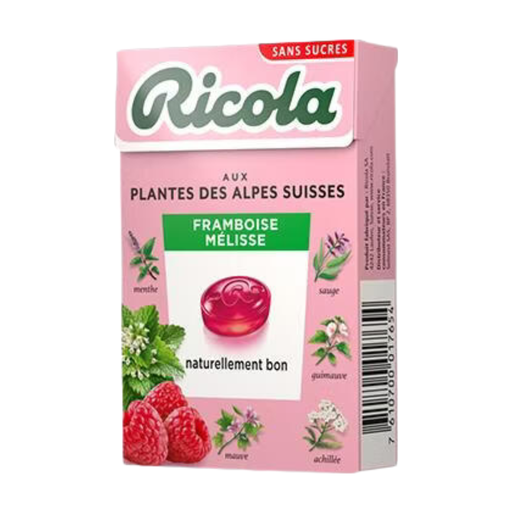 Image unavailable
A 50 g box to consider if you’d like to offer sugar-free raspberry and lemon balm lozenges. Check the ingredients and nutrition information for this product on the packaging.
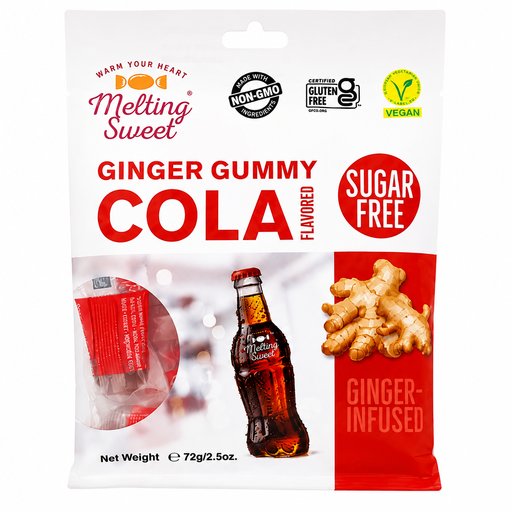 Image unavailable
A 72 g gummy option for guests who enjoy ginger and cola flavours. Check the packaging for the ingredients and any warnings specific to this recipe.
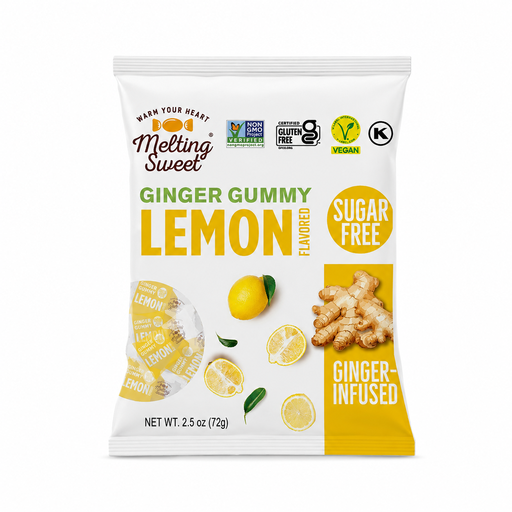 Image unavailable
A bag of ginger and lemon gummy sweets to add a different flavour to your selection. Before serving, read the ingredients list, allergen information and warnings on the pack.
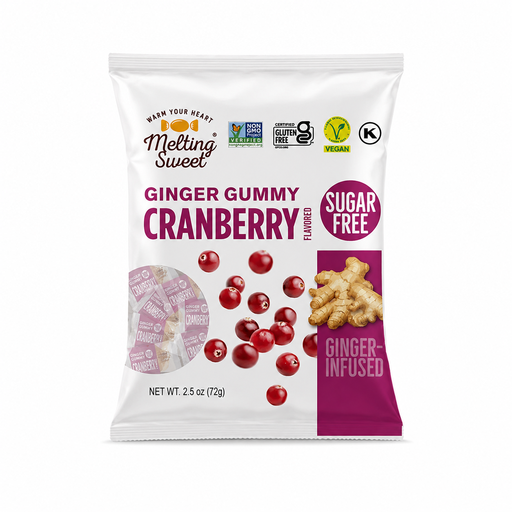 Image unavailable
A 52 g pack to consider if you’d like to add a ginger and cranberry flavour to your sugar-free sweets. For a shared buffet, check the allergens and warnings on the packaging before offering it to guests.
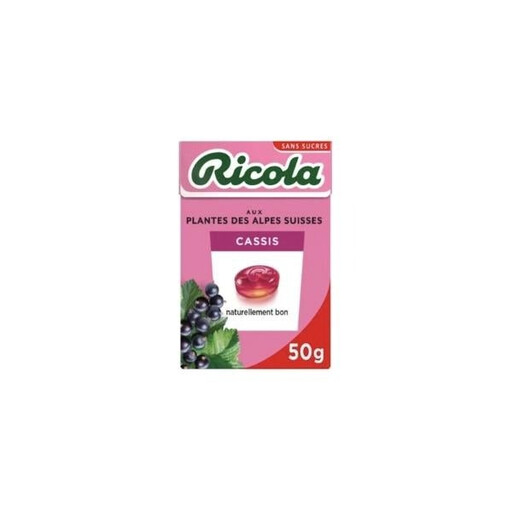 Image unavailable
Blackcurrant and herb lozenges in a 50 g pack, for anyone who prefers this type of confectionery to gummy sweets. Compare the label with those of other sugar-free products before choosing.
No. The Ministry of the Economy says that displaying the Nutri-Score remains voluntary in France. The DGCCRF explains that a nutrition declaration is generally required for prepacked foods. It gives you a basis for comparing the values shown per 100 g.
No. The product information for sugar-free caramel sweets published by Auchan France lists 90 g of polyols per 100 g. If their presence matters to you, check the ingredients and nutrition information for the product you’re buying.
They can highlight an important practical point when sharing. The product information for Confiseo hard caramel sweets published by E.Leclerc says that excessive consumption may have a laxative effect. Read the warning on the product you’re serving and don’t cover it up on the buffet.
Put sugar-free, reduced-sugar and classic products in separate containers and label them by name. Keep the packaging accessible so guests can check the ingredients, allergens and warnings for each product.