If you’re handing out sweets to eat at a party, look for a sugar-coated sweet labelled “sugar-free”, rather than sugar-coated chewing gum. Auchan’s product listing for Mentos fruit-flavoured chewy sweets shows 0 g of sugars, but also 59 g of polyols per 100 g: check the ingredients and ask about guests’ allergies. Chewing gum is only suitable if that format works for the group; the classic sugared almonds listed by Carrefour have a sugary coating, so they don’t meet the same criteria.
Who are these options for?
Party organisers looking for sweets to hand out
If you want sweets for guests to eat at the party, distinguish sugar-coated sweets from sugar-coated chewing gum. Auchan’s listing for Mentos fruit-flavoured chewy sweets says “sugar-free” and gives 0 g of sugars per 100 g, but also lists polyols and possible traces of milk and soya.
Parents looking for a “sugar-free” label
If this is a key factor in your purchase, check the exact wording on the label and the “of which sugars” line in the nutritional information. The French National Consumer Institute says that the “sugar-free” claim means no more than 0.5 g of sugars per 100 g.
Party organisers who need to check the ingredients
When choosing sweets for a group of children, compare the ingredients lists for the products you’re considering and ask parents about any allergies or foods their children need to avoid. The Auchan and Carrefour listings for the products reviewed flag sweeteners, polyols, soya or possible traces of milk and soya, depending on the product.
What should you check before the party?
First, distinguish sweets to eat from chewing gum. Then check for the “sugar-free” claim and review the ingredients of the exact product.
| Criteria |
What to check |
Who is it for? |
| Sugar claims |
Compare the “sugar-free” claim with the “of which sugars” figure per 100 g. According to the French National Consumer Institute, this claim means no more than 0.5 g of sugars per 100 g. |
If your party needs to meet the “sugar-free” criterion specifically, the wording on the packaging matters just as much as the nutritional table. Around 36% of consumers say this is their main requirement. |
| Type of sweet |
Check the product description: sugar-coated sweet, sugar-coated chewing gum or sugared almond. Be clear about whether you want something to eat at the party or a format to chew. |
If you want to hand out sweets to eat, rather than chewing gum or a traditional sugared almond, the shape alone isn’t enough to help you choose. Getting the right format comes first for around 36% of consumers. |
| Ingredients and allergies |
Check the sweeteners, polyols, allergens and any warnings on the packaging of the product you buy. |
When several children are sharing the party food, you need to be able to take account of allergies and any guidance from their parents. Around 28% of consumers put checking the ingredients first. |
Common mix-ups to avoid
-
Assuming sugared almonds are sugar-free sweets
The name and appearance don’t tell you how much sugar a product contains. Carrefour’s listing for classic sugared almonds describes a coating containing a significant amount of sugar.
Check the product description and nutritional information. Only choose these classic sugared almonds if the “sugar-free” criterion doesn’t apply to your choice.
-
Confusing “no added sugars” with “sugar-free”
A product with no added sugars may still contain naturally occurring sugars. So this claim alone doesn’t confirm that the product meets the threshold for “sugar-free”.
For this criterion, check the exact claim and the “of which sugars” figure per 100 g.
-
Checking only the sugar content before serving
A sweet labelled as containing 0 g of sugars may also contain polyols. The products reviewed list soya or possible traces of milk and soya, depending on the product.
Ask parents about any dietary requirements, check the packaging of the exact product and keep it handy during the party.
Brands to know when comparing formats
MENTOS
The fruit-flavoured sugar-coated chewy sweets listed by Auchan are made to be eaten, unlike the brand’s chewing gum.
- The listing says “sugar-free” and gives 0 g of sugars per 100 g.
- It also lists 59 g of polyols per 100 g and possible traces of milk and soya.
FREEDENT
The strawberry product listed by Carrefour is sugar-free chewing gum in dragee form, not sweets to eat at a party.
- The product description makes it clear that this is a chewing format.
- The ingredients list for this product includes several sweeteners and soya lecithin.
HOLLYWOOD
The strawberry product listed by Auchan is sugar-free chewing gum sold in dragee form.
- The listing clearly distinguishes this product from sugar-coated sweets to eat.
- It lists 70 g of polyols per 100 g. Check that chewing gum is suitable for your group of guests.
Sweets available on Joybuy
These products include gummies and sweets described as sugar-free, and may be worth considering if you’re looking for sweets to eat rather than chewing gum. They aren’t necessarily traditional dragees, so check the format and ingredients, and make sure they meet the needs of the children at your party before choosing.
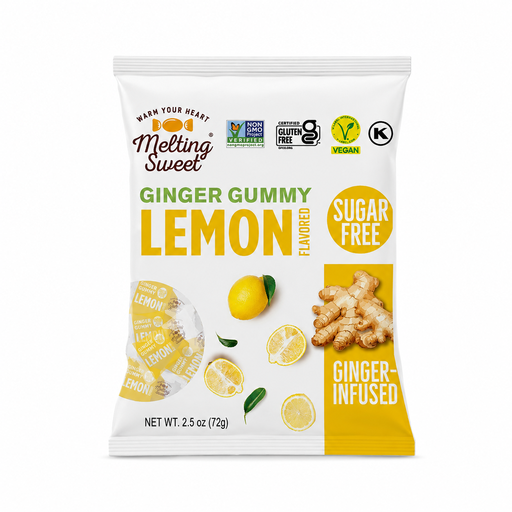 Image unavailable
MELTING SWEET Soft Ginger Gummy Lemon Flavored, 72 g
A lemon and ginger gummy to consider if you’re looking for sweets to eat rather than chewing gum. The product name says “Sugar Free”; check the nutritional information on the packaging. This product contains coconut and carries a warning about excessive consumption. Check for allergies too, and make sure it’s suitable for the children at your party.
View on Joybuy
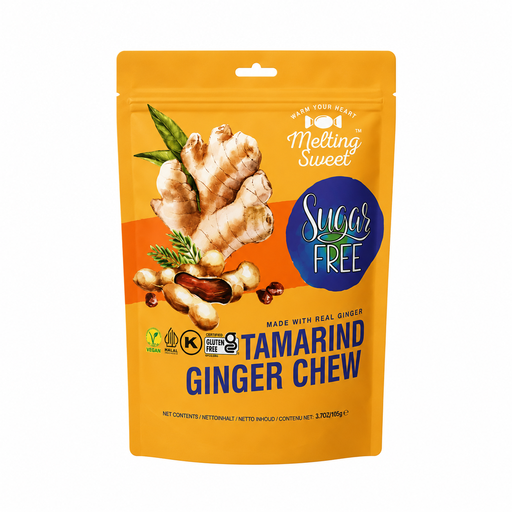 Image unavailable
MELTING SWEET Soft Tamarind Ginger Chew, 105 g
A soft tamarind and ginger sweet for party organisers looking to hand out sweets to eat. The product name says “Sugar-Free”. This product contains coconut and carries a warning about excessive consumption; check the packaging and make sure it’s suitable for the children at your party.
View on Joybuy
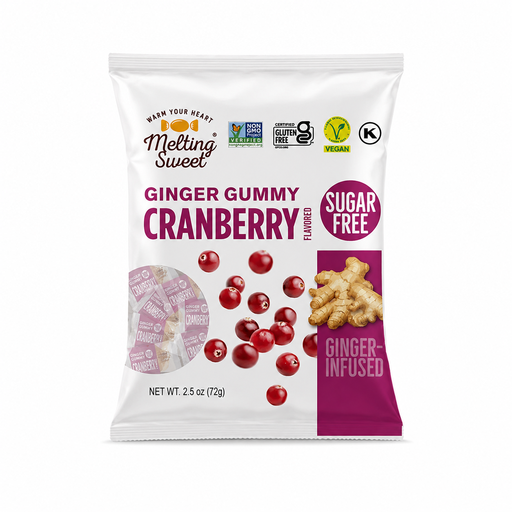 Image unavailable
MELTING SWEET Soft Ginger Gummy Cranberry, 52 g
A cranberry and ginger gummy to consider if you’d prefer sweets to eat rather than something to chew. The product name says “Sugar Free”. Before serving, read the allergen information and warning on the packaging, and check that it’s suitable for the children at your party.
View on Joybuy
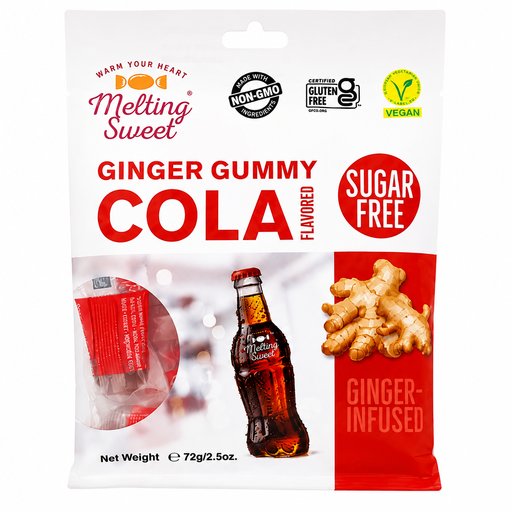 Image unavailable
MELTING SWEET Ginger Gummy Cola Flavored, 72 g
A cola and ginger gummy to consider if you’re looking for sweets to eat. The product name says “Sugar Free”. If you’re handing out one to each child, check how the gummies are packaged. Also read the warning on the packaging and make sure the product is suitable for your guests.
View on Joybuy
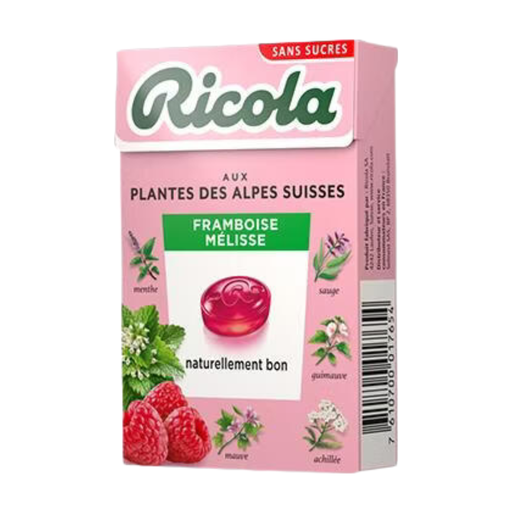 Image unavailable
Ricola Raspberry & Lemon Balm Sugar-Free Swiss Herb Sweets, 50 g tin
Herbal sweets with raspberry and lemon balm, for anyone who’d prefer a pocket tin to a fruity gummy. The product name says “Sugar-Free”. Before handing them out, check the warnings and how the sweets are packaged, and make sure they’re suitable for the children at your party.
View on Joybuy
Frequently asked questions
What’s the difference between “sugar-free” and “no added sugars”?
According to the French National Consumer Institute, “sugar-free” means no more than 0.5 g of sugars per 100 g or 100 ml. “No added sugars” doesn’t rule out naturally occurring sugars, so for your party, check the exact claim and the “of which sugars” line for the product you choose.
Why check the polyol content of sugar-free sweets?
A low sugar content doesn’t mean a product is free from polyols. Auchan’s listings give 59 g of polyols per 100 g for Mentos fruit-flavoured chewy sweets and 70 g per 100 g for Hollywood strawberry chewing gum. Check the ingredients and warnings for the product you buy before serving it.
Are sugar-free sweets automatically suitable for all the children at your party?
No. “Sugar-free” refers to the sugar content, not allergies, ingredients or whether the format is suitable for every child. Ask parents about any requirements, and check the ingredients list and packaging warnings before the party.


