Who is this choice for?

Anyone specifically looking for ‘sugar-free’

If simply reducing your sugar intake doesn’t meet your needs, compare the product’s claim with its sugar content per 100 g. The ‘sugar-free’ claim is regulated by European legislation published on EUR-Lex.

Anyone checking the ingredients

If polyols, an ingredient you want to avoid or a warning could affect your choice, read the ingredients list and the label for the specific product. E.Leclerc’s Confiseo caramel and liquorice product pages, for example, warn of a possible laxative effect if consumed in excess.

Anyone planning their shopping online

Before adding sweets to your basket, check that the product page shows the ingredients, allergens and nutritional information. Then select your shop or enter your address to see the available ordering options.

What should you check before ordering?

What matters What to check Who is it for?
The ‘sugar-free’ claim Check the exact wording and the ‘of which sugars’ line per 100 g. Under European legislation published on EUR-Lex, a product can be labelled ‘sugar-free’ if it contains no more than 0.5 g of sugars per 100 g. If I’m looking specifically for sugar-free sweets, a ‘reduced sugar’ claim isn’t enough. This is the top priority for around 46% of consumers.
The ingredients Read the ingredients, allergens and warnings; compare the carbohydrate and polyol content when this information is provided. When choosing between a lozenge and a caramel or liquorice sweet, I want to know which ingredients and warnings apply to each recipe. Around 36% of consumers prioritise this check.
Ordering online Check the page for the specific product, then confirm whether collection or delivery is available after selecting your shop or entering your address. I want to be able to read the ingredients before checking out and find out whether I can order the product using my chosen option. This is the main concern for around 18% of consumers.

Common mix-ups to avoid

  • Confusing ‘sugar-free’ with ‘reduced sugar’

    According to its official product page, HARIBO Croco Baby contains 30% less sugar, but still has 35 g of sugars per 100 g. This relative reduction doesn’t meet the needs of anyone specifically looking for sugar-free sweets.

    Check the exact claim and the ‘of which sugars’ line before ordering.

  • Assuming ‘sugar-free’ means ‘carbohydrate-free’

    Carrefour Original’s sugar-free fruit sweets product page lists 95 g of carbohydrates per 100 g. Auchan’s product page for Ricola Menthe Fraîche lozenges, meanwhile, lists 98 g of polyols per 100 g.

    Compare the nutritional information for each product rather than relying on the ‘sugar-free’ claim alone.

  • Overlooking the warning about polyols

    E.Leclerc’s Confiseo caramel and liquorice product pages warn that excessive consumption may have a laxative effect.

    Read the warnings on the packaging and choose a format that suits how you plan to enjoy it.

  • Choosing liquorice for regular consumption without reading the label

    Anses warns that high, repeated consumption of products containing liquorice may lead to hypokalaemia and high blood pressure.

    Check whether the product contains liquorice and bear this warning in mind before choosing this flavour.

Brands to know when comparing products

Carrefour Original / Carrefour Selection

These ranges include sugar-free boiled sweets in fruit, herbal and caramel flavours, as shown on Carrefour’s product pages.

  • The product pages for the examples listed provide details of the ingredients and nutritional information.
  • Recipes include ingredients such as maltitols or steviol glycosides; the caramel product also lists cream and milk.

Confiseo

The range featured by E.Leclerc includes sugar-free boiled sweets in caramel and liquorice flavours.

  • The caramel and liquorice product pages each list 0.5 g of sugars per 100 g.
  • Both carry a warning about a possible laxative effect if consumed in excess; the liquorice product contains liquorice extract.

Ricola

Sugar-free herbal lozenges offer a different flavour profile from fruit or caramel sweets.

  • Auchan’s product page for Ricola Menthe Fraîche lists 0 g of sugars per 100 g.
  • The same page lists isomalt and 98 g of polyols per 100 g, so it’s worth looking beyond the flavour and checking the ingredients.

Haribo

Some products from the brand show the difference between reduced sugar and a genuine ‘sugar-free’ claim.

  • HARIBO Croco Baby’s official product page gives its sugar content, making it easy to check what the claim ‘30% less sugar’ means.
  • With 35 g of sugars per 100 g, according to HARIBO France, Croco Baby isn’t suitable if you’re specifically looking for sugar-free sweets.

Sugar-free sweets and lozenges on Joybuy

This selection includes herbal lozenges and ginger and lemon confectionery presented as sugar-free. First choose the flavour and texture you’re looking for, then check the ingredients and warnings for the specific product.
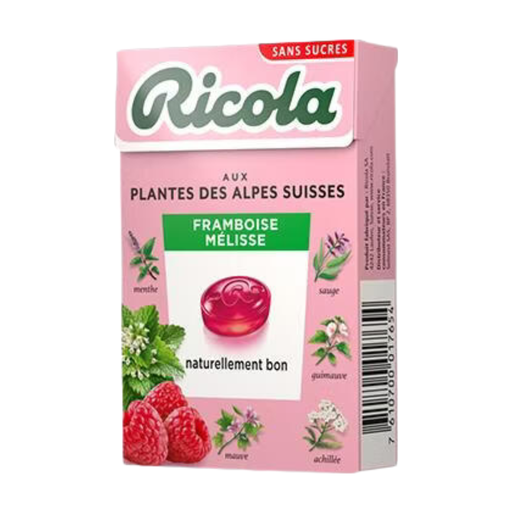
Sugar-free Ricola raspberry and lemon balm lozenges, 50 g tin

Sugar-free Ricola raspberry and lemon balm, 50 g

A raspberry and lemon balm-flavoured lozenge in a handy format. Check the ingredients and nutritional information for this 50 g tin before adding it to your basket.

View on Joybuy
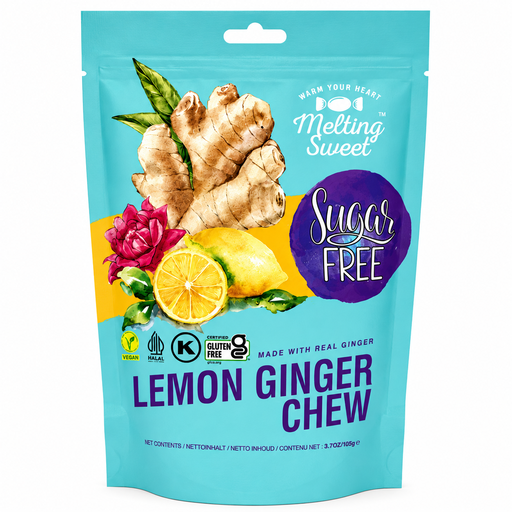
Sugar-free MELTING SWEET lemon and ginger chewy confectionery, 105 g

Sugar-free MELTING SWEET lemon and ginger, 105 g

A chewy sweet for anyone who prefers lemon and ginger to herbal lozenges. Check the ingredients and warnings on the 105 g pack before ordering.

View on Joybuy
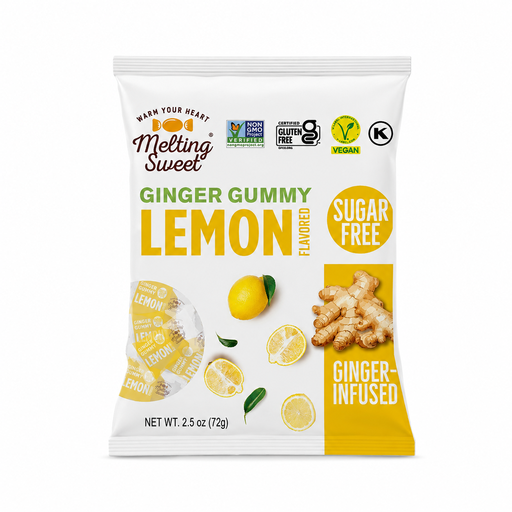
Sugar-free MELTING SWEET ginger and lemon gummies, 72 g

Sugar-free MELTING SWEET ginger and lemon gummies, 72 g

A gummy texture to consider if you’re looking for something other than a boiled sweet or a chewy confection. The ingredients for this product include coconut, and the pack warns of a possible laxative effect if consumed in excess. Read the packaging before buying.

View on Joybuy
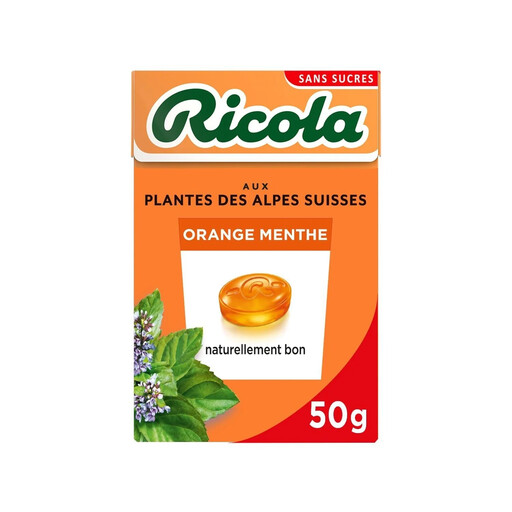
Sugar-free Ricola orange and mint lozenges, 50 g

Sugar-free Ricola orange and mint, 50 g

An orange and mint lozenge for anyone who prefers these flavours to raspberry or ginger. Compare the ingredients and nutritional values for the 50 g pack before choosing.

View on Joybuy
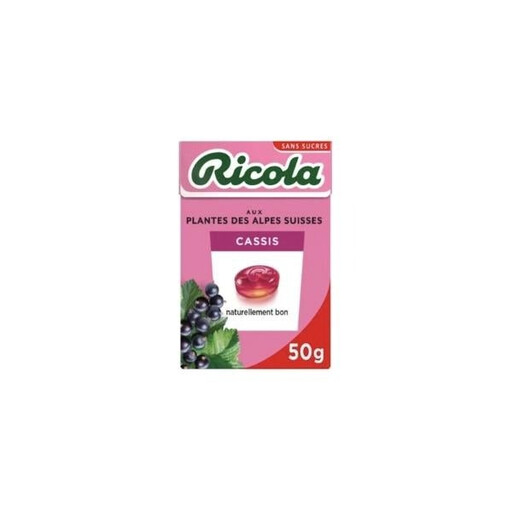
Sugar-free Ricola blackcurrant and herbal lozenges, 50 g

Sugar-free Ricola blackcurrant and herbal lozenges, 50 g

A blackcurrant and herbal lozenge if this flavour better suits your preferences. Check the ingredients list and nutritional information for the 50 g tin.

View on Joybuy

Frequently asked questions

Does ‘sugar-free’ mean ‘carbohydrate-free’?

No. European legislation published on EUR-Lex sets the maximum sugar content for a ‘sugar-free’ claim at 0.5 g per 100 g, but this doesn’t rule out other carbohydrates. For example, Carrefour Original’s fruit sweets product page lists 95 g of carbohydrates per 100 g.

Is Nutri-Score compulsory for sweets sold online?

No. According to Santé publique France, displaying it is voluntary. If it appears on a product page, you can check it, but also read the ingredients, allergens and nutritional values.

What information should be available before buying pre-packed sweets online?

For pre-packed food sold online in France, DGCCRF says that mandatory information must be available before the sale is completed; the best-before date or use-by date can be provided at delivery. Before checking out, look for details including the product name, ingredients, allergens, net quantity and nutrition declaration.

Why check whether sugar-free sweets contain liquorice?

Because being sugar-free doesn’t change the precautions associated with this ingredient. Anses warns that high, repeated consumption of products containing liquorice may lead to hypokalaemia and high blood pressure. So check the ingredients if you’re considering this flavour.