People looking for a ‘sugar-free’ claim
To avoid mistaking this claim for ‘reduced sugar’, check the exact wording, then look at the nutritional information per 100 g and per portion.


When choosing sugar-free sweets for an older person’s afternoon snack, first look for this exact claim: under the EU regulation on nutrition claims, it means a maximum of 0.5 g of sugars per 100 g or 100 ml. Then check the ingredients, carbohydrates, portion size and product warnings. According to Santé publique France, Nutri-Score is voluntary, so it does not replace these checks or the need to consider individual requirements.
To avoid mistaking this claim for ‘reduced sugar’, check the exact wording, then look at the nutritional information per 100 g and per portion.
If the snack needs to fit into a particular diet, especially for someone with diabetes, the amount eaten, carbohydrates and ingredients matter too. Assurance Maladie recommends checking this information on the label.
Hard sweets, soft sweets and lozenges may not be suitable for the same person. Check the texture, ingredients list and any allergens highlighted for the product you’re considering.
When choosing an afternoon snack, first distinguish a ‘sugar-free’ claim from a simple reduction in sugar, then check the ingredients and texture of the sweet you’re considering.
| Criteria | What to check | Who is it for? |
|---|---|---|
| ‘Sugar-free’ claim | Look for the exact claim and compare the sugars and carbohydrates per 100 g. | If I want to serve a sweet that is specifically labelled sugar-free, a simple promise of reduced sugar doesn’t meet my needs. Around 42% of consumers put checking this claim at the top of their list. |
| Ingredients and portion size | Check the sweeteners or polyols, carbohydrates per portion and any warnings on the packaging. | When dietary guidance or digestive sensitivity is a consideration, I need to look beyond the sugars listed. Ingredients and the amount eaten are the main criteria for around 33% of consumers. |
| Texture and ingredients | Check the type of sweet and any allergens highlighted. If someone has difficulty chewing or swallowing, seek professional advice before offering them sweets. | To choose an afternoon snack that suits the person, I pay close attention to texture and ingredients first. This is the top priority for around 25% of consumers. |
These claims do not mean the same thing. For example, HARIBO France lists 35 g of sugars per 100 g for its Croco Baby sweets, which are marketed as reduced sugar. They are not sugar-free.
If ‘sugar-free’ is what you’re looking for, check the specific product and look at the ‘of which sugars’ line in its nutritional information.
According to Santé publique France, displaying Nutri-Score is voluntary. If it appears on a packet, it does not tell you everything about the ingredients, allergens or amount consumed.
Use it as an additional guide when comparing similar products, and check the ingredients list and nutritional information too.
Some sugar-free recipes contain polyols. EU Regulation (EU) 2021/1175 requires a warning about the laxative effects of excessive consumption on foods containing more than 10% added polyols.
Check the ingredients and any warnings on the packet before deciding how much to serve.
Hard and soft recipes also differ in their ingredients, and no one texture suits all older people.
Consider the person’s ability to chew and check for allergens. If they have difficulty chewing or swallowing, seek professional advice before offering them confectionery.
Carrefour France offers several sugar-free sweets, including fruit, mint and coffee flavours.
Ricola sugar-free sweets in herbal, fruit, mint and liquorice flavours are listed in the Carrefour France catalogue.
HARIBO’s Croco Baby product is a useful example of the difference between reduced-sugar sweets and sweets labelled ‘sugar-free’.
These two products are labelled sugar-free and suit different kinds of afternoon snack: soft tamarind and ginger sweets, and lozenges in a pocket-sized tin. In both cases, check that the ingredients and format are suitable for the person.
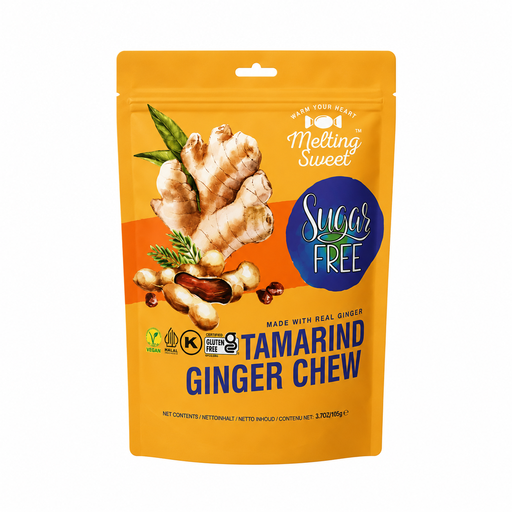 Image unavailable
Worth considering if you’re looking for a soft sweet for an afternoon snack. The packet contains 105 g. Check its ingredients and warnings, and make sure the texture is suitable before serving these sweets.
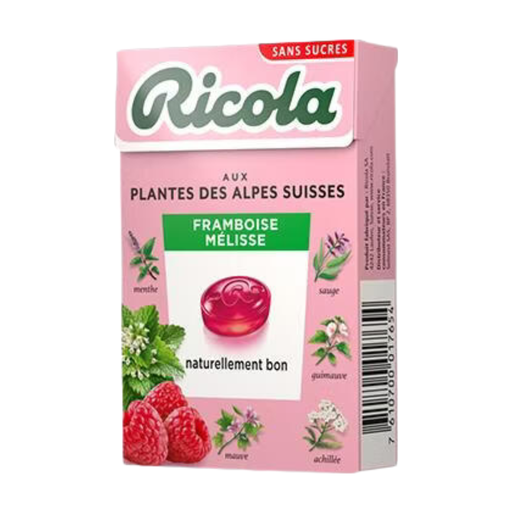 Image unavailable
The 50 g pocket-sized tin may be a good option if you’re looking for something to take with you. Before choosing these lozenges, check the portion size, ingredients, packaging warnings and shape of the sweet.
Under the EU regulation on nutrition claims, this claim means a maximum of 0.5 g of sugars per 100 g or 100 ml. It does not mean the sweet contains no carbohydrates, energy or sweeteners, so check its nutritional information and ingredients too.
No. Santé publique France says that displaying it is voluntary. If it is shown, use it alongside the ingredients and nutritional information. Don’t rule out a product simply because its packaging does not display the logo.
No. It describes the product’s sugar content, not whether it is suitable for a particular person. Assurance Maladie recommends considering the overall diet and, in particular, checking the carbohydrates listed on the label. Check the portion size and follow any individual dietary guidance.
Because some sugar-free recipes contain them. EU Regulation (EU) 2021/1175 requires a warning about the laxative effects of excessive consumption when a food contains more than 10% added polyols. Read the warning on the product you choose rather than assuming that any amount will be suitable just because it is labelled ‘sugar-free’.