For Mother’s Day, start by choosing a texture and flavour the recipient enjoys: soft sweets, hard caramel or herbal drops each suit a different preference. Then check the ingredients, allergens and nutritional information for the specific product, as ‘sugar-free’ does not mean free from carbohydrates or energy. Nutri-Score can help you make sense of the information if it is displayed, but its use is voluntary in France, according to Santé publique France.
Who are these sweets for?
The right gift depends as much on the recipient’s preferences as on what’s in the bag or box.
Someone who keeps an eye on their sugar intake
They’re looking for sweets labelled ‘sugar-free’, while also wanting to compare the sugars, carbohydrates and energy shown in the nutritional information. The sweeteners used are also an important part of their choice.
Someone who avoids certain ingredients
A recipe may contain milk or pork gelatine, and declared allergens vary from one product to another. To choose a confectionery gift that suits their needs, read the label for the product you’ve chosen rather than relying on its texture alone.
A fan of smaller treats
A box of herbal drops, fruity soft sweets and a bag of caramels each offer different flavours and ways to enjoy them. Their mood and the size of the gift can help you choose between these options, without suggesting that one is generally better nutritionally.
What should you check?
When choosing sugar-free sweets as a gift, start with the flavour they’ll enjoy, then check the recipe and nutritional values for the pack you have in mind.
| What matters |
What to check |
Who is this for? |
| Understanding ‘sugar-free’ |
Compare ‘of which sugars’, carbohydrates and energy per 100 g; also check whether the recipe contains polyols. |
If I’m choosing this gift to limit sugars, I want to know exactly what the claim means, without assuming the sweet contains no carbohydrates or energy. Around 42% of consumers rank this nutritional check as their top priority. |
| Checking the ingredients |
Read the sweeteners, ingredients of animal origin and declared allergens for the exact product. |
If the recipient avoids an ingredient, I need to be able to check the recipe before buying, even if they like the flavour. Ingredient suitability is the main priority for around 33% of consumers. |
| Choosing the flavour and format |
Choose between soft sweets, hard caramels and drops; check the flavour and pack weight. |
Whether it’s to go with another gift or to give as a treat on its own, I’m mainly looking for a texture, flavour and format they’ll enjoy. This is the main priority for around 25% of consumers. |
Common misconceptions to avoid
-
Assuming ‘sugar-free’ means ‘calorie-free’
The claim alone doesn’t tell you everything about a product’s nutritional content. For example, Auchan states that its sugar-free stevia caramel sweets contain 90 g of polyols and 272 kcal per 100 g.
To compare two recipes, check sugars, carbohydrates and energy on the same 100 g basis, rather than relying on the front of the pack.
-
Thinking ‘with stevia’ describes the whole recipe
According to its product information, Auchan’s sugar-free caramels also contain maltitol syrup and isomalt, as well as fresh cream and milk powder.
If the recipient avoids milk or wants to know which sweeteners are used, check the full ingredients list.
-
Assuming all soft sweets are suitable for the same people
Carrefour’s product information for its sugar-free soft sweets lists pork gelatine and possible traces of milk and nuts.
Before giving them to someone who avoids certain ingredients or needs to check for allergens, make sure you check the exact product and the information on its packaging.
-
Treating Nutri-Score as a deal-breaker
Santé publique France describes Nutri-Score as a voluntary label. The DGCCRF distinguishes it from the mandatory nutrition declaration on prepacked foods.
If the logo is shown, use it as an additional source of information. Whether or not it appears, also check the ingredients and nutritional information.
Brands to know for these formats
These products show a range of flavours and ingredients to compare. A feature of one product doesn’t necessarily apply to other products from the same brand.
Carrefour
The retailer offers sugar-free soft sweets and caramels, among other options. These are two distinct formats to consider when choosing a gift.
- Carrefour’s product information for its soft sweets lets you check the sweeteners and ingredients for that specific product.
- These soft sweets contain pork gelatine and may contain traces of milk and nuts. Check each other recipe separately.
Auchan
Sugar-free stevia caramel hard sweets are an option for someone who prefers caramel to fruity or herbal flavours.
- Auchan’s product information describes a 120 g pack containing 24 sweets.
- This recipe contains milk, maltitol and isomalt, among other ingredients; the word ‘stevia’ doesn’t tell you everything that’s in it.
Ricola
Sugar-free herbal drops are a better fit for someone who enjoys this flavour profile.
- Carrefour lists a 70 g bag of Ricola herbal drops, while a 50 g liquorice variant is available on Joybuy.
- These are two different variants, not the same recipe. Joybuy’s product information for the liquorice variant lists isomalt and soya lecithins, among other ingredients.
La Vosgienne
Sugar-free Sève des Pins sweets offer a herbal flavour in a compact tin.
- The product listed by Carrefour comes in a 46 g tin, making it a little extra to add to a gift if the recipient enjoys this flavour.
- Pine flavour won’t suit the same preferences as caramel or fruity sweets.
Sugar-free sweets on Joybuy
This selection brings together herbal drops with fruity or herbal flavours and soft sweets, so you can choose something to suit the recipient’s tastes. For each variant, check the pack label, especially if there are ingredients they need to avoid.
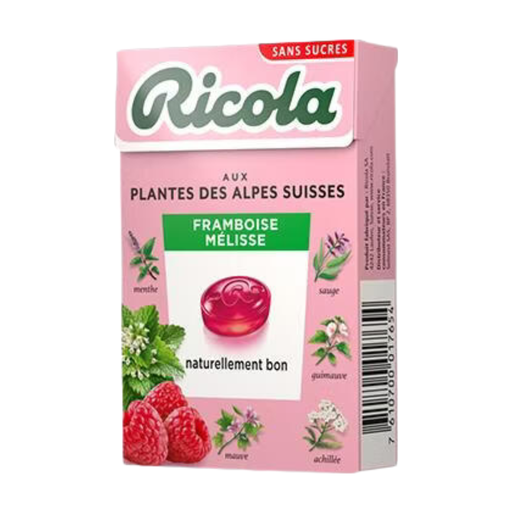 Image unavailable
Ricola Raspberry & Lemon Balm sugar-free, 50 g
This 50 g tin is a good fit for someone who enjoys raspberry and lemon balm drops in a smaller format. To find out more about what’s in them beyond the ‘sugar-free’ claim, check the ingredients and nutritional values on the pack.
View on Joybuy
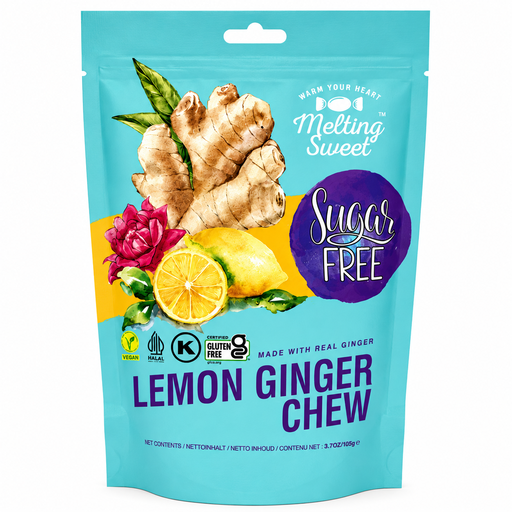 Image unavailable
MELTING SWEET Lemon Ginger Chew sugar-free, 105 g
This 105 g pack of soft lemon and ginger sweets may suit someone who prefers this texture to hard drops. Check the ingredients and allergens on the packaging before giving them as a gift.
View on Joybuy
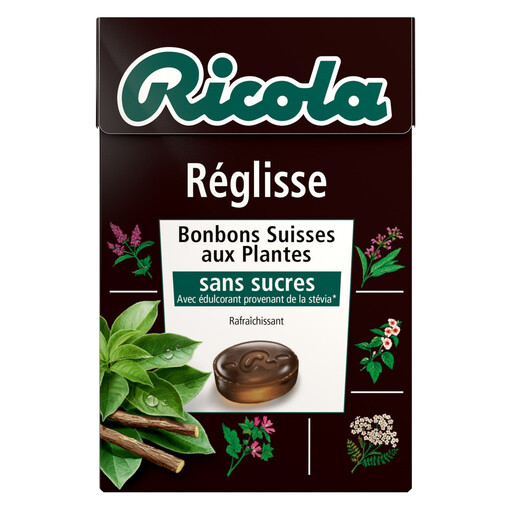 Image unavailable
Ricola Liquorice Herbal Drops sugar-free, 50 g
This 50 g tin is a good choice for someone who prefers liquorice drops to caramel or fruit sweets. Joybuy’s product information for this variant lists isomalt and soya lecithins, among other ingredients. Check these if their presence matters to the recipient.
View on Joybuy
 Image unavailable
Ricola Blackcurrant (Cassis) Herbal Drops sugar-free, 50 g
These blackcurrant drops come in a 50 g tin and are a good option if the recipient enjoys a fruity flavour in herbal drops. Compare their ingredients list and nutritional information with those of the other flavours you’re considering.
View on Joybuy
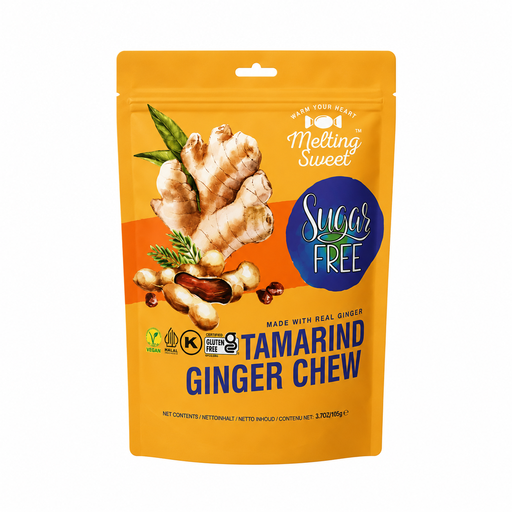 Image unavailable
MELTING SWEET Soft Tamarind Ginger Chew sugar-free, 105 g
These 105 g soft tamarind and ginger sweets suit someone who enjoys this flavour combination. If coconut needs to be avoided, check the ingredients list on the pack before buying.
View on Joybuy
Frequently asked questions
Is Nutri-Score required on sugar-free sweets in France?
No. Santé publique France says that displaying Nutri-Score is voluntary. The DGCCRF, however, states that a nutrition declaration is mandatory on prepacked foods. So if there’s no logo, you should still check the nutritional information and ingredients.
Does ‘sugar-free’ also mean free from carbohydrates or energy?
No. The ‘sugar-free’ claim alone doesn’t tell you about a sweet’s carbohydrates or energy. For example, Auchan’s product information for its sugar-free stevia caramels lists 90 g of polyols and 272 kcal per 100 g. Compare the nutritional values of the product you’re thinking of giving.
Why check the polyols in the ingredients list?
Polyols may be used as sweeteners instead of sugars in confectionery. You can’t tell whether they’re present just from the taste, so check the ingredients and any warnings on the packaging.
What should you check if the recipient avoids certain ingredients?
Check the ingredients list and declared allergens for the exact product. For example, Carrefour’s sugar-free soft sweets contain pork gelatine and may contain traces of milk and nuts. Check any other recipe separately.


