Anyone looking specifically for sugar-free sweets
If simply reducing your sugar intake isn’t enough, distinguish between the claims on the front of the pack and compare the ‘of which sugars’ figure per 100 g.


For a late-night craving, choose a sweet labelled ‘sugar-free’ if that’s your main priority, then check the ‘of which sugars’ figure per 100 g. Under EU rules on nutrition claims, this label means the food contains no more than 0.5 g of sugars per 100 g. Also check the energy, ingredients and portion you plan to have: ‘sugar-free’ doesn’t mean calorie-free or that you can ignore precautions around polyols. Nutri-Score, which is optional in France, can provide extra context when it appears on the pack.
If simply reducing your sugar intake isn’t enough, distinguish between the claims on the front of the pack and compare the ‘of which sugars’ figure per 100 g.
If you fancy a little treat in the evening, the amount you eat matters too. Look for polyols in the ingredients and check for any warning about laxative effects if consumed in excess.
You can opt for a different recipe, while still checking its sugar content: a sweet labelled ‘reduced sugar’ won’t necessarily meet the ‘sugar-free’ criteria.
When choosing sugar-free sweets for the evening, start with the nutrition claim you’re looking for, then check the ingredients and how much you plan to have.
| What matters | What to check | Who is this for? |
|---|---|---|
| Sugar content | The exact ‘sugar-free’ claim and the ‘of which sugars’ figure per 100 g. Under EU rules on nutrition claims, a solid food can contain no more than 0.5 g of sugars per 100 g to carry this claim. | If you want sweets that are genuinely sugar-free rather than simply reduced in sugar, this distinction comes before taste. Around 36% of consumers say this is their top priority. |
| Polyols | Check the ingredients for maltitol, isomalt or sorbitol, and look out for any warning about excessive consumption. | If you want a late-night snack without eating lots of sweets at once, consider how well you tolerate polyols. This is a priority for around 29% of consumers. |
| Energy and portion size | Check the energy per 100 g and the amount you plan to eat, particularly if the packaging makes it easy to have them one at a time. | If you have a few sweets in the evening, you may want to know what your portion adds up to, without assuming that ‘sugar-free’ means ‘calorie-free’. Around 21% of consumers put this first. |
| Ingredients and flavour | Check the ingredients against your preferences, particularly the sweeteners and whether liquorice is included. | If you want to avoid a particular ingredient or flavour, the ingredients can help you choose between options that already meet your sugar requirements. This is the main consideration for around 14% of consumers. |
Haribo describes Croco Baby as containing 30% less sugar, but its product information lists 35 g of sugars per 100 g. So it doesn’t meet the criteria if you’re specifically looking for sugar-free sweets.
If the ‘sugar-free’ claim is essential for you, check both the claim and the ‘of which sugars’ figure per 100 g, rather than relying on a relative reduction.
Some sugar-free sweets contain polyols. E.Leclerc’s product information for Confiseo caramel sweets warns that excessive consumption may have a laxative effect.
Read the ingredients and any warning for the product you choose, then consider how much you eat and how well you tolerate it.
Nutri-Score is optional in France, according to the French Ministry of the Economy. Its absence doesn’t, on its own, tell you what a sweet is made of.
If it appears on the pack, consider it alongside the nutrition information and ingredients, rather than using it as your only guide.
Sugar content doesn’t tell you about every plant included in a recipe. Anses recommends moderation when consuming sweets and other foods containing liquorice.
Check the ingredients and choose a different flavour if you want to avoid liquorice.
Carrefour France lists several sugar-free sweets under these own-label brands, in a range of flavours.
Auchan offers sugar-free stevia-sweetened caramel sweets in a 120 g bag, among other products.
This range sold by E.Leclerc includes 120 g bags of sugar-free hard caramel sweets.
Ricola offers sugar-free herbal lozenges in flavours that differ from caramel or fruit sweets.
Croco Baby is a useful comparison if you’re happy with reduced-sugar sweets rather than sugar-free ones.
These products include two lemon and ginger chewy sweets and an apple and mint lozenge. Choose between a bag, individually wrapped sweets and a box of lozenges, depending on how you’d like to have a small amount in the evening.
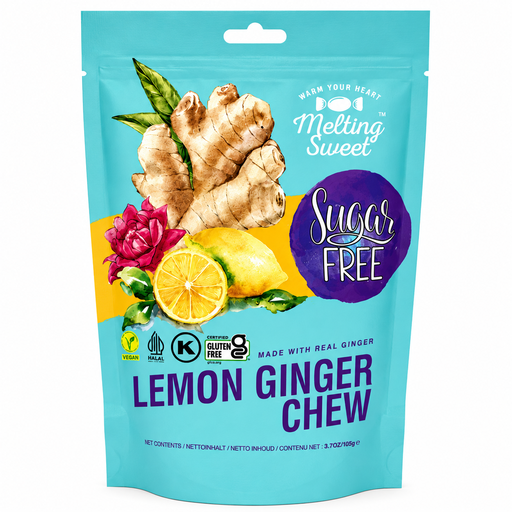 Image unavailable
Worth considering if you’re looking for sugar-free lemon and ginger chewy sweets in a bag. Check the portion you plan to have and how well you tolerate polyols when comparing recipes.
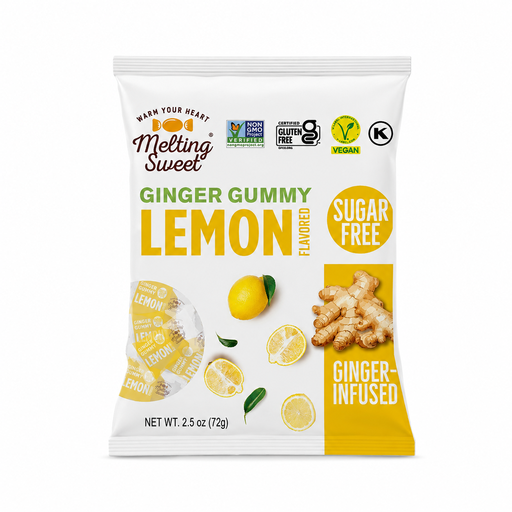 Image unavailable
Worth considering if you prefer individually wrapped lemon and ginger jelly sweets so you can choose how many to have. The product information includes a warning about possible laxative effects if consumed in excess.
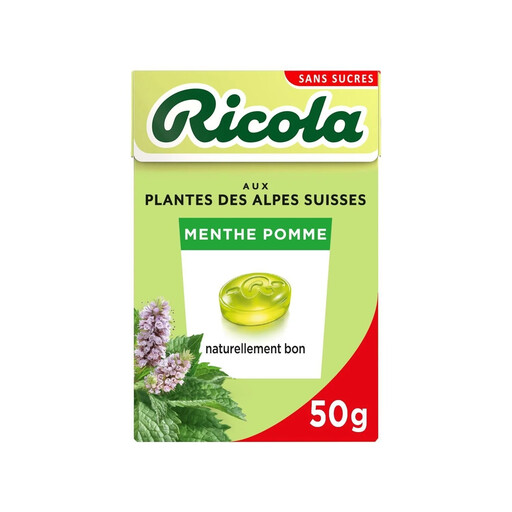 Image unavailable
Worth considering if you prefer an apple and mint herbal lozenge to have one at a time, rather than a chewy sweet. To compare Ricola flavours, check the ingredients for the product you choose.
No. According to the French Ministry of the Economy, displaying Nutri-Score is optional in France. It’s separate from the nutrition declaration required for most prepacked foods. If it appears on the pack, read it alongside the nutrition information and ingredients.
Under EU rules on nutrition claims, a solid food carrying this claim must contain no more than 0.5 g of sugars per 100 g. It doesn’t mean the sweet is calorie-free or contains no polyols, so check these details too if they matter to you.
Yes. Auchan’s product information for its sugar-free caramel sweets lists 272 kcal per 100 g, despite containing less than 0.5 g of sugars per 100 g. Compare energy figures on the same basis and consider the portion you plan to have.
Look for liquorice in the ingredients for your chosen flavour. Anses recommends consuming sweets and other foods containing liquorice in moderation. Choosing a different flavour will help you avoid it if you don’t want to consume liquorice.