For a school-holiday snack, choose a sweet labelled ‘sugar-free’ and check its ingredients too: this claim does not mean it contains no carbohydrates or calories. If the bag is for a child or for several occasions, pay particular attention to the sweeteners, warnings and ingredients to avoid based on their needs. Nutri-Score can be a useful addition when it appears on the packaging, but Santé publique France states that displaying it is voluntary.
Who is this choice for?
Parents who pay attention to the ‘sugar-free’ claim
You want to offer an occasional sweet during the school holidays without mistaking this claim for an assessment of its overall nutritional value. The threshold for the claim is set by the European regulation on nutrition claims.
Families mindful of polyols
You’re planning to keep a bag for several occasions and want to check which sweeteners it contains, along with any warnings about excessive consumption. Sweet product listings published by Carrefour mention maltitol or isomalt, depending on the product.
Shoppers with specific ingredient requirements
You need to check the exact product for gelatine, milk or ‘may contain’ statements. A Carrefour listing for soft sugar-free sweets states that they contain pork gelatine, so neither their texture nor the ‘sugar-free’ claim is enough to establish what they’re made from.
What should you check before buying?
Start with the claim and nutritional information, then read the ingredients and warnings on the exact bag you’re buying. If you’re planning school-holiday snacks, check the pack size and availability too.
| Criteria |
What to check |
Who might find this useful? |
| Claim and nutritional values |
Look for ‘sugar-free’, then compare the sugars, carbohydrates and energy per 100 g. In the European Union, the ‘sugar-free’ claim is limited to 0.5 g of sugars per 100 g or 100 ml, under the European regulation on nutrition claims. |
If my main aim is to reduce the sugars listed for a sweet, I want to know exactly what this claim covers. Around 33% of consumers put this need first. |
| Polyols and warnings |
Read the list of sweeteners and any warnings about excessive consumption on the packaging. |
If I’m keeping a bag for several occasions, I want to consider my tolerance to polyols first. This is a priority for around 33% of consumers. |
| Ingredients and ‘may contain’ statements |
Check the ingredients list, declared allergens and any ‘may contain’ statements for the exact product. |
When certain ingredients need to be avoided, the composition of the specific sweet determines my choice. Around 17% of consumers prioritise this check. |
| Pack size and availability |
Check the net weight and whether the bag is available in your shopping area. |
If I’m preparing snacks to take out during the holidays, I want to find a suitable pack size that I can actually buy. This comes first for around 17% of consumers. |
Common misconceptions to avoid
-
Assuming ‘sugar-free’ means ‘carbohydrate-free’
The claim applies to sugars, not to all carbohydrates or energy. Carrefour, for example, lists 95 g of carbohydrates and 235 kcal per 100 g for one sugar-free fruit-flavoured product.
Compare the nutritional information per 100 g and, where shown on the pack, per serving. Treat sweets as an occasional treat rather than a substitute for a varied snack.
-
Overlooking warnings about polyols
Maltitol and isomalt are listed in products featured by Carrefour. The product listing for Rebelle gummy bears warns that excessive consumption may have a laxative effect.
Before planning to have several, check the sweeteners and warning on the bag you’ve chosen; ‘sugar-free’ doesn’t mean you can eat as much as you like.
-
Guessing the ingredients from the texture
Some soft sugar-free sweets featured by Carrefour contain pork gelatine and may contain traces of milk and nuts. Another product, Rebelle, is described as vegan: these characteristics vary from one product to another.
Check the ingredients and ‘may contain’ statements on the exact packaging, particularly if you’re buying because of an allergy or dietary restriction.
-
Planning around a bag without checking availability
A product listing may describe a sweet that isn’t available in the shop or collection option you’re planning to use. Some soft and vegan products featured by Carrefour were listed as unavailable on the pages consulted.
Check the pack size and availability in your shopping area before relying on this product for the holidays.
Sugar-free sweet brands to know
Carrefour
Carrefour’s product listings let you compare several sugar-free options, including fruit, caramel and soft sweets, without assuming they all have the same ingredients.
- Ingredients and nutritional values are listed for the products covered.
- The caramel product featured by Carrefour contains cream and milk, while one soft sweet contains pork gelatine. Check each bag individually.
Ricola
An option to consider if you’d prefer an herbal pastille to a soft fruit sweet.
- The herbal product featured by Carrefour lists isomalt among its ingredients.
- Check the ingredients and warnings for the product you choose, as well as its local availability.
Rebelle
A Carrefour listing describes its sugar-free gummy bears as vegan, meeting an ingredient preference that’s separate from sugar content.
- The listing specifies maltitol and includes a warning about excessive consumption.
- This product was listed as unavailable on the page consulted; check its status before planning to buy it for the holidays.
Sugar-free sweets selected on Joybuy
These products offer several ways to choose sugar-free sweets for the holidays, including soft sweets, herbal pastilles, gummy sweets and lollipops. Their shape and flavour don’t replace the need to check the ingredients and warnings for each individual bag.
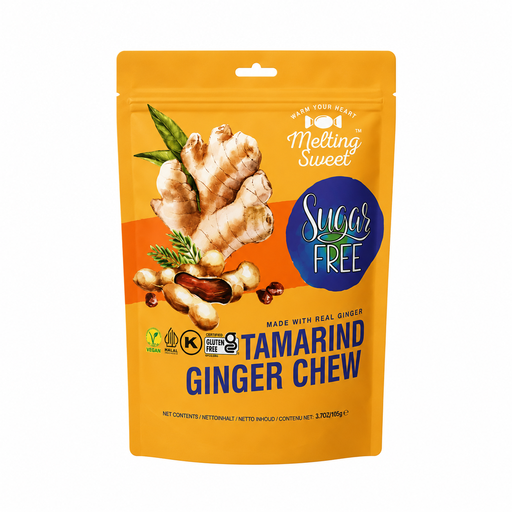 Image unavailable
MELTING SWEET, sugar-free soft sweets, tamarind and ginger, 105 g
For anyone looking for a soft sweet with tamarind and ginger flavours. The product listing notes that it contains coconut and warns of possible laxative effects if consumed excessively. Check the bag before planning to have several.
View on Joybuy
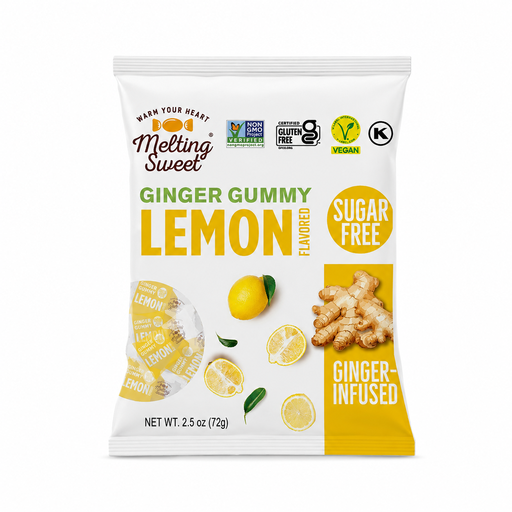 Image unavailable
MELTING SWEET, sugar-free soft sweets, ginger and lemon, 72 g
Another flavour of soft sweets, in a 72 g bag. The product listing notes that they contain coconut and may have a laxative effect if consumed excessively. Bear this in mind if the bag is for several occasions.
View on Joybuy
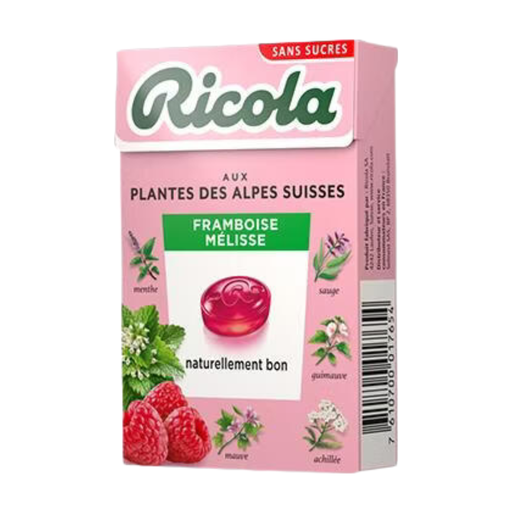 Image unavailable
Ricola, sugar-free raspberry and lemon balm pastilles, 50 g tin
For anyone who prefers herbal pastilles, with raspberry and lemon balm, in a 50 g tin. Before offering them on several occasions, check the sweeteners and any warnings on the packaging.
View on Joybuy
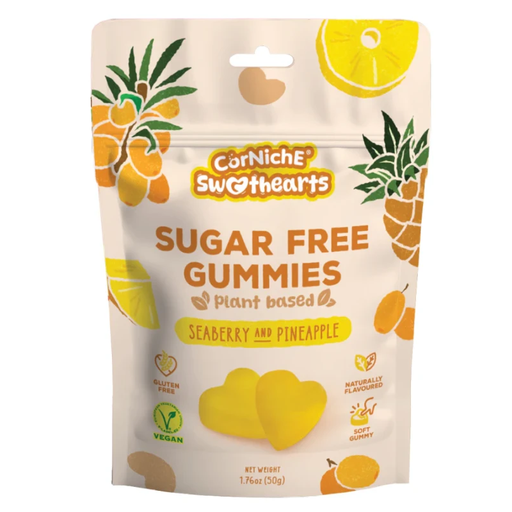 Image unavailable
Corniche Sweethearts, sugar-free gummies, sea buckthorn and pineapple, 50 g
For anyone looking for gummies in the two flavours listed on this 50 g bag. If plant-based ingredients or allergens matter to you, check the packaging; also check the precautions relating to polyols.
View on Joybuy
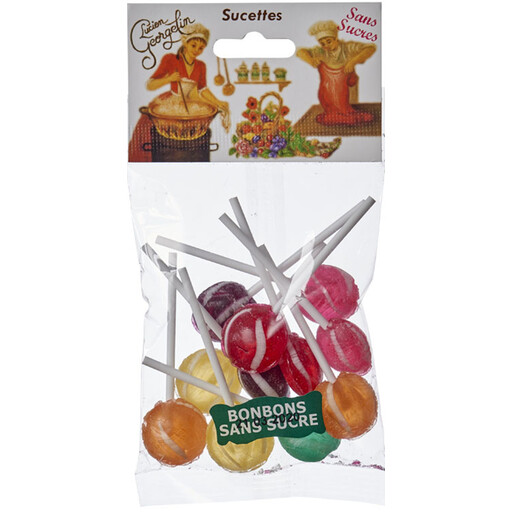 Image unavailable
LUCIEN GEORGELIN, sugar-free lollipops, 100 g
For anyone who prefers lollipops to a bag of soft sweets. The product listing states that they contain a source of phenylalanine and are made in a facility that also handles nuts, peanuts, milk and gluten. Check the packaging if any of these are relevant to your choice.
View on Joybuy
Frequently asked questions
Is Nutri-Score compulsory on sweets in France?
No. Santé publique France states that displaying it is voluntary; it is separate from the nutritional information that must be provided. If it appears on a pack, you can use it alongside the ingredients and nutritional values. Its absence doesn’t mean anything is amiss.
What exactly does ‘sugar-free’ mean?
Under the European regulation on nutrition claims, this claim is only permitted if the product contains no more than 0.5 g of sugars per 100 g or 100 ml. It doesn’t mean the sweet contains no carbohydrates, energy or sweeteners: check the nutritional values and ingredients too.
Why check the warnings before planning to have several?
Some sugar-free sweets contain polyols, and Carrefour’s listing for Rebelle gummy bears warns that excessive consumption may have a laxative effect. Check the sweeteners and precautions on the bag you’ve chosen rather than treating ‘sugar-free’ as guidance on how much to eat.


