Parents looking for the ‘sugar-free’ claim
You want to tell this claim apart from ‘no added sugars’ and check the amount of sugars per 100 g before buying sweets for the new school year.


When choosing sugar-free sweets for the new school year, check the exact claim and the ‘of which sugars’ figure per 100 g, then read the ingredients and warnings: ‘sugar-free’ does not mean ‘sweetener-free’. If the sweets are for a child, treat them as an occasional treat rather than a replacement for their daily snack; where it appears on the packaging, Nutri-Score is an optional, complementary guide in France, as the Ministry of the Economy explains.
You want to tell this claim apart from ‘no added sugars’ and check the amount of sugars per 100 g before buying sweets for the new school year.
Before offering a sweet to a child, you want to check the sweeteners, polyols, allergens and product-specific warnings.
You want to keep sweets as an occasional treat. For the daily snack of children aged 4 to 11, Santé publique France recommends limiting sugary and fatty foods, among other things.
When doing your back-to-school shopping, start with the claim you’re looking for, then check the ingredients and how the bag will be used.
| What to check | Look for | Who is it for? |
|---|---|---|
| ‘Sugar-free’ claim | Check the exact claim and the ‘of which sugars’ figure per 100 g. Under the EU regulation on nutrition claims, sweets can contain no more than 0.5 g of sugars per 100 g to carry this claim. | If I’m specifically looking for sugar-free sweets, a simple ‘no added sugars’ claim isn’t enough. Around 38% of consumers would make checking this claim a priority. |
| Ingredients and precautions | Check the sweeteners, polyols, listed allergens and warnings about excessive consumption. | If the bag is for sharing, I want to know what’s in it and what precautions to take before offering it to anyone. Ingredients are the main concern for around 37% of consumers. |
| Occasional use | Check the bag’s weight, portion guidance and whether the sweets are individually wrapped; don’t treat the whole bag as one portion. | If I’m buying sweets for the new school year, I want them to be an occasional treat rather than a replacement for a snack. Around 25% of consumers would base their choice first on how often the sweets will be eaten. |
Auchan’s sugar-free mint sweets product information lists 97 g of polyols and 233 kcal per 100 g. So the claim about sugars alone doesn’t answer questions about carbohydrates or energy.
Compare the ‘of which sugars’, polyols and energy figures per 100 g, as well as the ingredients list.
Confiseo liquorice sweets product information warns that excessive consumption may have a laxative effect. A large bag isn’t a portion to eat all at once.
Read the warnings on the packaging and decide how you’ll use the bag before you buy it.
Anses warns that children are particularly sensitive to the risks associated with eating large amounts of liquorice repeatedly. The ‘sugar-free’ claim doesn’t change this precaution.
If you’re buying sweets for a child, check whether the recipe contains liquorice and don’t make them a daily treat.
In France, the Ministry of the Economy explains that displaying Nutri-Score is voluntary. The DGCCRF states that nutrition information is compulsory for prepacked foods, subject to applicable exceptions.
If a Nutri-Score is shown, use it alongside the nutrition table and ingredients, rather than drawing conclusions from its presence or absence alone.
Carrefour offers several sugar-free sweets, including products under the Carrefour Original name.
Auchan offers sugar-free hard sweets, including caramel and mint flavours.
E.Leclerc’s product information features Confiseo sugar-free hard sweets, including a liquorice variety.
Croco Baby is aimed at shoppers looking for something different from strictly sugar-free sweets.
These three sweets are described as sugar-free and come in different formats and textures for an occasional back-to-school treat. Check the packaging for nutritional values, ingredients and any precautions relevant to your household.
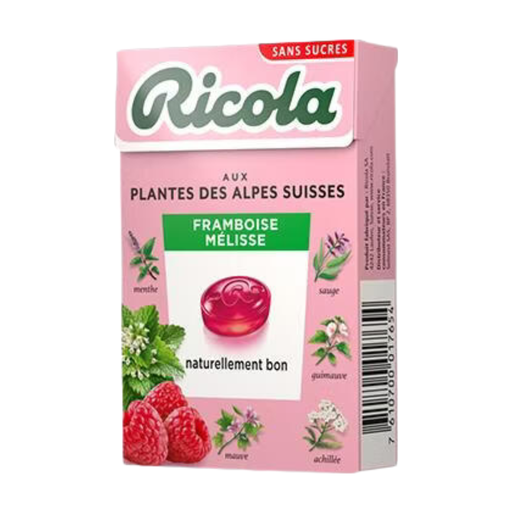 Image unavailable
The pocket tin is handy if you’re looking for a small pack to take with you for an occasional treat. These herbal sweets are described as sugar-free; before offering them to a child, check the sugars per 100 g, sweeteners and precautions on the packaging.
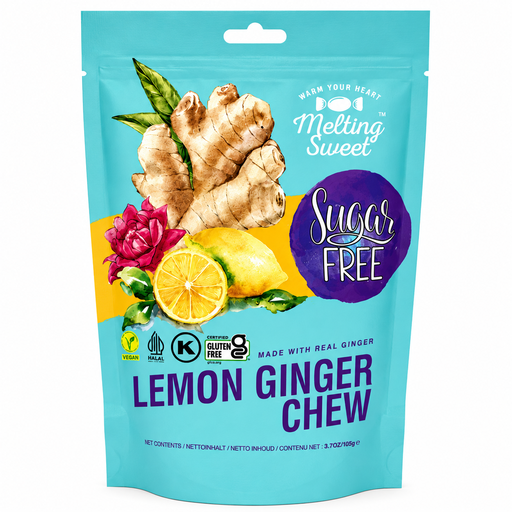 Image unavailable
These soft lemon and ginger sweets are for anyone who prefers this texture for an occasional treat. They’re described as sugar-free; check the nutrition information and ingredients rather than assuming what they contain from this claim alone.
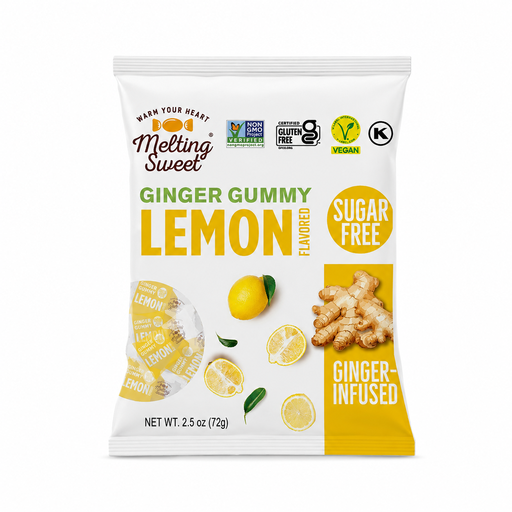 Image unavailable
The 72 g pack and gummy texture set this variety apart from the soft version. If you’re buying for a child or following dietary restrictions, check the packaging for sweeteners, whether it contains coconut and any warning about excessive consumption.
No. The Ministry of the Economy explains that displaying it remains voluntary in France; the requirement to provide nutrition information for prepacked foods is separate, subject to applicable exceptions. If the logo appears on a bag, check the nutritional values and ingredients too.
Under the EU regulation on nutrition claims, this claim means the product can contain no more than 0.5 g of sugars per 100 g or 100 ml. It doesn’t mean the sweet is free from carbohydrates, energy or sweeteners; check these details separately.
Some sugar-free sweets contain polyols and carry a warning that excessive consumption may have a laxative effect, as with the liquorice variety featured by E.Leclerc. Read the warning on the product you choose, and don’t treat the whole bag as one portion.
Don’t choose them as a daily sweet just because they’re sugar-free. Anses identifies children as particularly sensitive to the risks associated with eating large amounts of liquorice repeatedly; check the ingredients to see whether it’s included.
Read the ingredients list and any ‘may contain’ information on the packaging of the product you actually buy. The Ministry of the Economy explains that allergens in prepacked foods must be listed and emphasised; sweet recipes can vary, even within the same brand.