People looking for a sugar-free option
The wording on the packet matters to you, but you also want to compare the ‘of which sugars’ line and other nutritional information per 100 g. Simply reducing the sugar content doesn’t meet the same need.


For your Christmas shopping, choose sweets labelled ‘sugar-free’ if that’s your main priority: ‘reduced sugar’ doesn’t mean the same thing. Then compare the sugars, carbohydrates and energy per 100 g, and check the ingredients, allergens and polyol warnings. In France, Santé publique France explains that Nutri-Score is voluntary; its presence doesn’t replace these checks.
The wording on the packet matters to you, but you also want to compare the ‘of which sugars’ line and other nutritional information per 100 g. Simply reducing the sugar content doesn’t meet the same need.
You’d like to add a few sugar-free sweets to a selection of treats to share. Taste, texture, pack size and the difference between sugar-free and reduced-sugar sweets all play a part in your choice.
Before choosing a packet, you check the ingredients and any warnings about excessive consumption. The E.Leclerc listing for Confiseo sweets, for example, includes a warning about laxative effects.
Start by distinguishing ‘sugar-free’ from ‘reduced sugar’, then compare the ingredients and pack size according to the part these sweets will play in your selection.
| Criterion | What to check | Who is it for? |
|---|---|---|
| Sugar claim | Compare the exact wording on the packaging with the ‘of which sugars’ line per 100 g. | If I’m looking for sugar-free sweets for Christmas, simply reducing the sugar content doesn’t meet my criteria. Around 44% of shoppers put this distinction first. |
| Polyols and ingredients | Read the ingredients list, check the carbohydrates and look for any polyol warnings. | Before choosing a packet to share, I want to know what it contains and take account of any warnings about excessive consumption. Ingredients and these precautions are a priority for around 33% of shoppers. |
| Selection size | Check the packet weight and, if stated, the number of sweets or whether they’re individually wrapped. | I’m only planning to include a few sugar-free sweets alongside other treats, so pack size and sharing are my main considerations. Around 23% of shoppers prioritise this need. |
HARIBO says Croco Baby contains 30% less sugar, while its product listing states 35 g of sugars per 100 g. So this product isn’t suitable if you’re looking for sugar-free sweets.
Check the exact wording on the packet, then read the ‘of which sugars’ line per 100 g.
According to Santé publique France, displaying Nutri-Score is voluntary. The DGCCRF says that nutrition declarations are compulsory for most pre-packed foods, subject to some exceptions. The two types of information don’t have the same status.
If Nutri-Score appears on the packaging, treat it as additional information and check the nutrition table and ingredients too.
Sweets containing polyols may carry a warning about the laxative effects of excessive consumption. This warning appears on the E.Leclerc listing for Confiseo sugar-free sweets.
Look for polyols in the ingredients list and read the information on the packet before choosing a pack size.
Auchan’s listing for sugar-free caramel sweets states that they contain less than 0.5 g of sugars and 90 g of polyols per 100 g. So the sugars line alone doesn’t tell you everything about the product.
Compare sugars, carbohydrates, polyols where stated, and energy on the same per-100 g basis.
Carrefour France offers sugar-free fruit-flavoured boiled sweets in a 150 g packet.
Auchan offers sugar-free stevia caramel sweets in a 120 g packet containing 24 sweets.
E.Leclerc offers, among other products, sugar-free herbal sweets in a 150 g packet.
HARIBO Croco Baby is included here to show the difference between reduced-sugar sweets and sugar-free sweets.
These Joybuy products are described as sugar-free. To put together a Christmas selection, choose the flavours and pack sizes you prefer, then check the ingredients and warnings that matter to you on each product’s packaging.
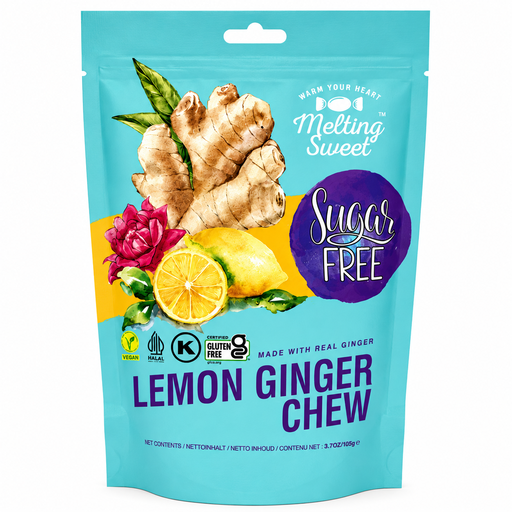 Image unavailable
A lemon and ginger option if you’d like to add a different flavour to your selection, in a 105 g packet. Read the ingredients list and any information about polyols before adding it to your basket.
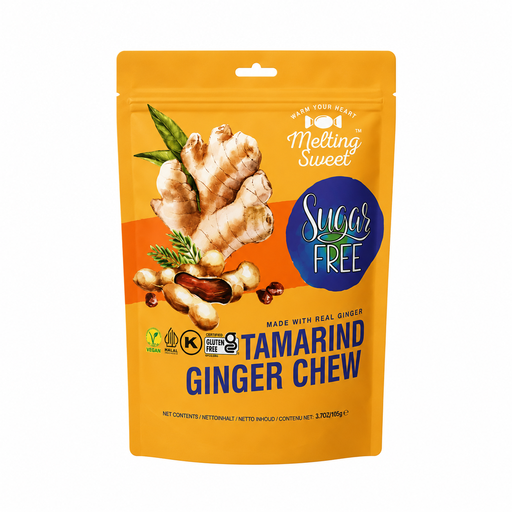 Image unavailable
The tamarind and ginger flavour adds another option to share. Take account of the coconut mentioned in the product listing and the warning about excessive consumption.
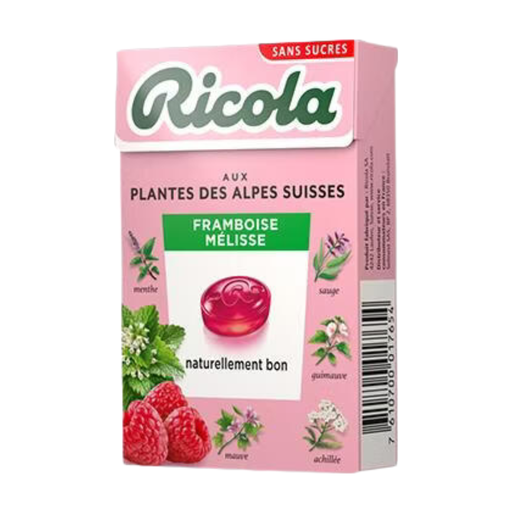 Image unavailable
The handy 50 g tin is a good choice if you’d prefer a smaller pack rather than a packet for your selection. Compare the ingredients and information about polyols, then check the warnings on the packaging.
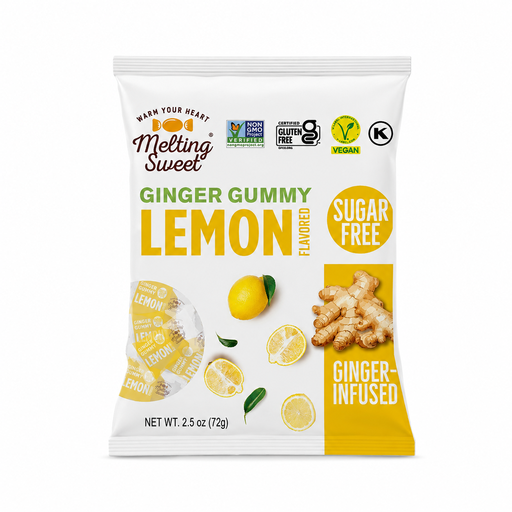 Image unavailable
This 72 g packet of lemon and ginger jelly sweets offers a different texture. The product listing mentions coconut and a warning about the laxative effects of excessive consumption. Check the packaging to compare the nutritional values too.
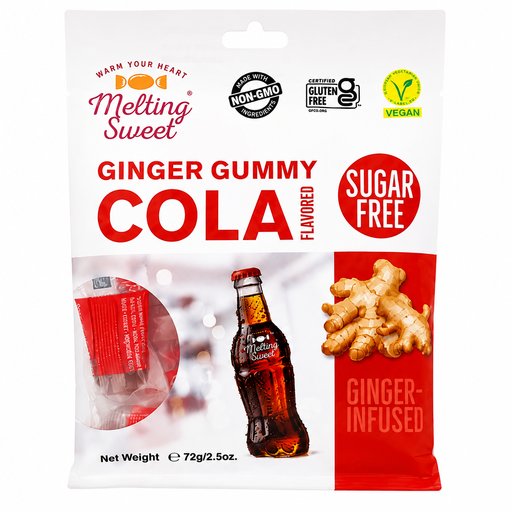 Image unavailable
This 72 g packet combines cola and ginger flavours in a jelly sweet, if that’s the variety you’re after. If the polyol content affects your choice, check the information on the packaging rather than relying on the ‘sugar-free’ claim alone.
No. Santé publique France explains that displaying it is voluntary. The DGCCRF distinguishes this logo from the nutrition declaration, which is compulsory for most pre-packed foods, subject to some exceptions. So the absence of Nutri-Score isn’t enough to conclude that a sweet doesn’t comply with the rules.
First, check the exact wording on the packet, then read the ‘of which sugars’ line per 100 g. For example, HARIBO says Croco Baby has reduced sugar, but its product listing still states 35 g of sugars per 100 g.
No. The ‘sugar-free’ claim doesn’t mean that. Auchan’s listing for sugar-free caramel sweets states that they contain less than 0.5 g of sugars and 90 g of polyols per 100 g. So compare carbohydrates, polyols and energy on the same basis too.
Some products warn that excessive consumption may have laxative effects, including the Confiseo sugar-free sweets offered by E.Leclerc. Read this warning and the ingredients list before choosing a packet size for your selection.