Parents who want to keep sweets as an occasional treat
You’re looking to put together an everyday snack without making confectionery the main feature. Manger Bouger recommends offering a variety of foods and limiting sugary products for children.


For a child’s everyday snack, Manger Bouger recommends offering a variety of foods and limiting sugary products, rather than routinely replacing standard sweets with sugar-free ones. If you’re buying sweets for a special occasion, distinguish a genuine ‘sugar-free’ claim from a ‘lower-sugar’ recipe, then check the ingredients, allergens and consumption warnings. The absence of sugar alone isn’t enough to decide whether a product is suitable for your child.
You’re looking to put together an everyday snack without making confectionery the main feature. Manger Bouger recommends offering a variety of foods and limiting sugary products for children.
You want to tell a ‘sugar-free’ claim apart from a simple claim of reduced sugar. The sugar content per 100 g and the ingredients list can help you compare packs.
You check sweeteners, polyols and allergens before choosing a recipe. Some sugar-free products also carry a warning about excessive consumption.
First decide how often sweets should feature in your child’s snack, then compare the claims and ingredients of the products you’re considering.
| What matters | What to check | Who it’s for |
|---|---|---|
| How often sweets feature at snack time | Decide whether the sweets are for a special occasion or an everyday snack. | For everyday snacks, I prefer to plan a variety of foods and save sweets for a special occasion. Around 36% of consumers prioritise limiting sugary products. |
| ‘Sugar-free’ claim | Read the exact claim and check the ‘of which sugars’ figure per 100 g. | If I’m specifically looking for sugar-free sweets, a claim that sugar has been reduced doesn’t meet my needs. This is a priority for around 29% of consumers. |
| Ingredients and warnings | Check for polyols, declared allergens and consumption warnings. | When a recipe contains sweeteners, I want to check its ingredients before offering it to my child. Around 21% of consumers prioritise checking ingredients and warnings. |
| Reduced sugar without sweeteners | Compare the final sugar content and ingredients list, not just the reduction claimed. | I may prefer a less sugary recipe without sweeteners, while accepting that it still contains sugar. Around 14% of consumers prioritise this. |
According to the DGCCRF, displaying Nutri-Score is voluntary in France. Nutrition declarations are compulsory for most pre-packed foods, but a displayed score doesn’t sum up the ingredients or a child’s needs.
If it appears on the pack, use it as an additional guide. Also read the nutrition information, ingredients and allergen details.
HARIBO says Croco Baby contains 30% less sugar, but also states that it contains 35 g of sugars per 100 g. A reduction compared with a reference recipe doesn’t mean a product is sugar-free.
If you’re looking for a ‘sugar-free’ claim, check the pack and look at the ‘of which sugars’ figure per 100 g.
Some sugar-free sweets contain maltitol or isomalt. The product listing for CONFISEO herbal sweets published by E.Leclerc warns that excessive consumption may have laxative effects.
Read the ingredients and any warnings for the product you choose. ‘Sugar-free’ doesn’t mean it can be eaten without caution.
Changing the recipe doesn’t replace a varied snack. Manger Bouger recommends limiting sugary products for children and suggests options such as bread, a piece of fruit or fruit purée, and a dairy product.
Keep sweets for a special occasion rather than making them the basis of your child’s everyday snack.
Croco Baby is an example of confectionery with reduced sugar content, not a ‘sugar-free’ product.
The sugar-free caramel sweets provide an opportunity to compare a sweetened recipe with confectionery that simply has reduced sugar content.
The sugar-free herbal boiled sweets featured by E.Leclerc are a product to consider when checking both sugar content and warnings.
The sugar-free stevia caramel sweets offer another sweetened recipe to consider.
These products are included to help you compare sweets described as sugar-free, for occasional consumption. Before choosing one for a child, check the ingredients, consumption warnings and age guidance on the packaging.
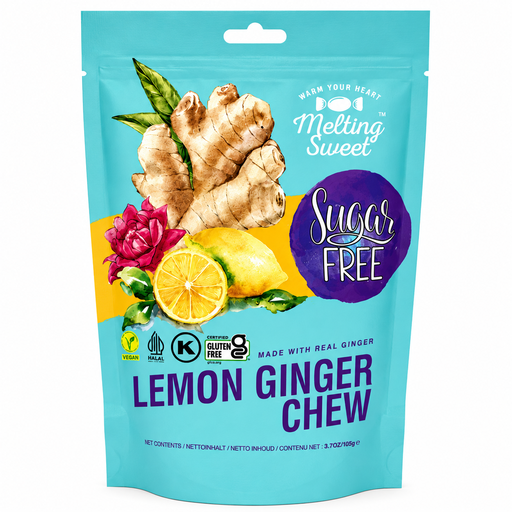 Image unavailable
An option to consider if you’re looking for lemon and ginger chews described as sugar-free. Check the packaging for the polyol content, consumption advice and age suitability.
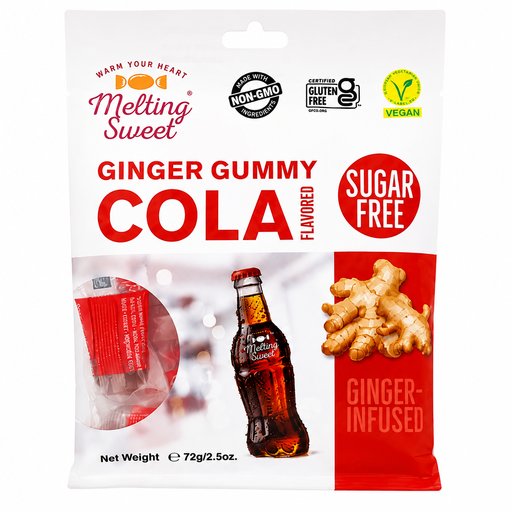 Image unavailable
These ginger and cola-flavoured jelly sweets are described as sugar-free. If you’re buying them for a child, check the packaging for sweeteners, any warnings and age guidance.
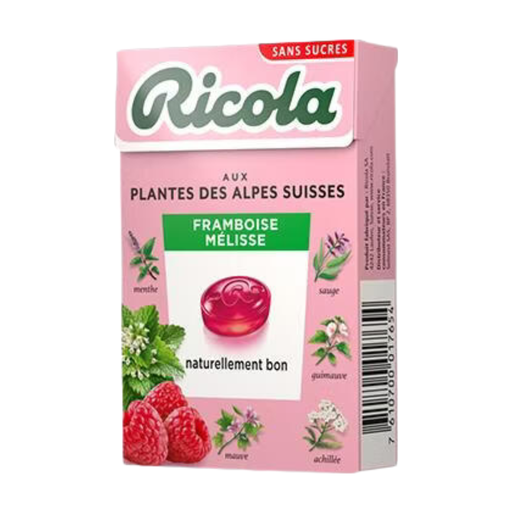 Image unavailable
The 50 g pocket tin may suit you if this size is important for an occasional sweet treat. Check the packaging for the polyol content, consumption advice and age guidance.
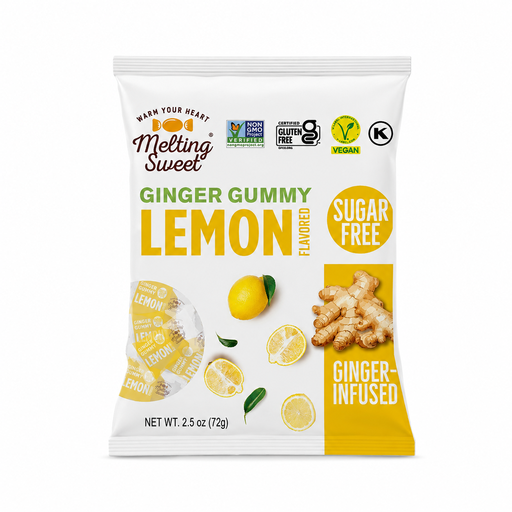 Image unavailable
These lemon and ginger jelly sweets are described as sugar-free. Before offering them to a child, check the packaging carefully for a warning about excessive consumption, any declared coconut and age guidance.
No. The DGCCRF states that Nutri-Score is voluntary. Nutrition declarations are compulsory for most pre-packed foods; check them to compare sugar content per 100 g, for example.
In the European Union, regulations on nutrition claims reserve this wording for products containing no more than 0.5 g of sugars per 100 g or 100 ml. ‘Less sugar’ and ‘no added sugars’ don’t mean that the total sugar content falls within this limit.
A ‘sugar-free’ claim doesn’t tell you about every ingredient or any consumption warnings. Some of the products mentioned here contain polyols, while some caramel recipes include dairy ingredients. Check each label to make sure it suits your child’s needs.
No: choosing sugar-free confectionery doesn’t replace a varied snack. Manger Bouger recommends limiting sugary products for children and suggests options such as bread, a piece of fruit or fruit purée, and a dairy product.
Compare the exact claim and the ‘of which sugars’ figure per 100 g, then check the sweeteners, declared allergens and warnings. If a Nutri-Score is displayed, treat it as additional information, not a substitute for these checks.