Event organisers who require a ‘sugar-free’ label
If this label is essential for the sweets you’re handing out, distinguish it from ‘reduced sugar’ and ‘no added sugar’. Also check the sugars listed per 100 g and the ingredients list.


For a jumble sale, start by choosing sweets labelled ‘sugar-free’, then check their ingredients and pack weights before deciding how many to hand out. The 120–150 g bags reviewed contain more per pack than the 50–70 g formats, but that doesn’t mean every flavour or recipe will suit everyone. In France, the DGCCRF explains that Nutri-Score is voluntary: it doesn’t replace checking the ingredients and nutritional information.
If this label is essential for the sweets you’re handing out, distinguish it from ‘reduced sugar’ and ‘no added sugar’. Also check the sugars listed per 100 g and the ingredients list.
To work out how many packs you’ll need for a jumble sale, compare their net weights. The Carrefour and Auchan products reviewed come in 120 g or 150 g bags; the Ricola product reviewed weighs 70 g.
When offering sweets to a group, read the ingredients and labelling on each pack. The recipes reviewed may contain polyols, milk or liquorice: the ‘sugar-free’ label doesn’t tell you about these.
Start with the claim you’re looking for, then work out how much you’ll need and check the ingredients in each flavour you choose.
| Criterion | What to check | Who is it for? |
|---|---|---|
| ‘Sugar-free’ label | Look for the exact wording and check the sugars listed per 100 g. Under the European regulation on nutrition claims, ‘sugar-free’ means no more than 0.5 g of sugars per 100 g or 100 ml. | If I need to hand out sweets that are actually labelled ‘sugar-free’, simply choosing a reduced-sugar product won’t meet my needs. Around 31% of consumers would make checking this label their first priority. |
| Amount to hand out | Compare the net weight per pack and work out how many packs you’ll need for the number of people you expect to serve. | When serving several people, I want to make sure I have enough sweets without buying lots of small packs. Around 44% of consumers would prioritise the amount to hand out. |
| Ingredients and labelling | Read the ingredients list, particularly for milk or liquorice, and check the warnings about polyols on the pack you choose. | When offering a group several flavours, I need to be able to identify ingredients and labelling that may matter to those taking part. Around 25% of consumers would be most concerned about ingredients and tolerance. |
Haribo says Croco Baby has 30% less sugar, but it also contains 35 g of sugars per 100 g. This product therefore doesn’t meet a strict requirement for ‘sugar-free’ sweets.
If this is important to your choice, check the label on the product you’ve selected and its nutritional information per 100 g.
The DGCCRF says that Nutri-Score is voluntary in France. Whether or not it appears on the packaging doesn’t, on its own, tell you whether a sweet is labelled ‘sugar-free’.
Check the ingredients list and nutrition declaration, which is mandatory for most prepacked foods.
Under the European rules outlined by Your Europe, products containing more than 10% polyols must state that excessive consumption may produce laxative effects.
Read the warning on the pack you’ll be handing out, and don’t present these sweets as suitable for unlimited consumption.
Liquorice isn’t to everyone’s taste. Anses also warns that excessive consumption may cause adverse effects, including high blood pressure.
If you choose this flavour, offer it alongside other options rather than as the only product at your jumble sale.
The Carrefour Original, Sensation and Sélection products reviewed include sugar-free fruit, liquorice and caramel sweets in 120–150 g packs.
The products reviewed include stevia-sweetened, sugar-free sweets in caramel, liquorice and tutti frutti flavours, in 120 g or 150 g packs.
The sugar-free Ricola herbal sweets reviewed come in a 70 g bag.
Haribo describes Croco Baby as a reduced-sugar sweet, not a ‘sugar-free’ product.
These products have ‘sugar-free’ in their name: one 105 g chewy sweet and four small 50 g Ricola tins in different flavours. For a jumble sale, compare their formats and check the labelling on the pack before handing them out.
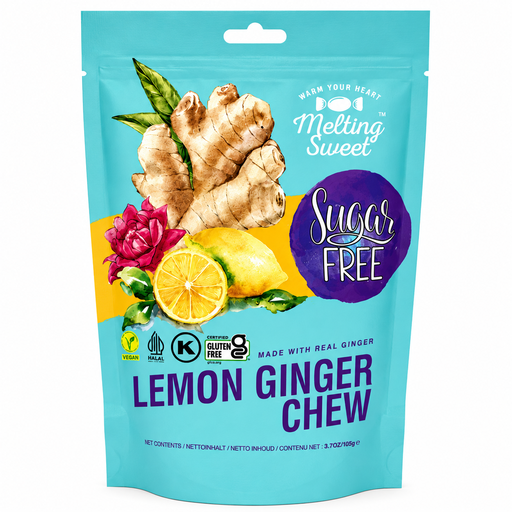 Image unavailable
The 105 g pack is an option if you’d prefer to offer chewy sweets rather than pocket-sized tins of drops. Before handing them out, check the ingredients list and any polyol warnings on the packaging.
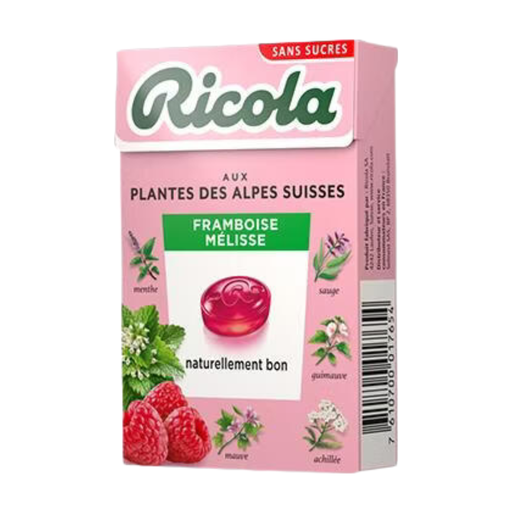 Image unavailable
The 50 g tin is a handy way to add a raspberry and lemon balm flavour to a selection of options. Work out how many tins you’ll need for a group, and read the ingredients and warnings on the pack.
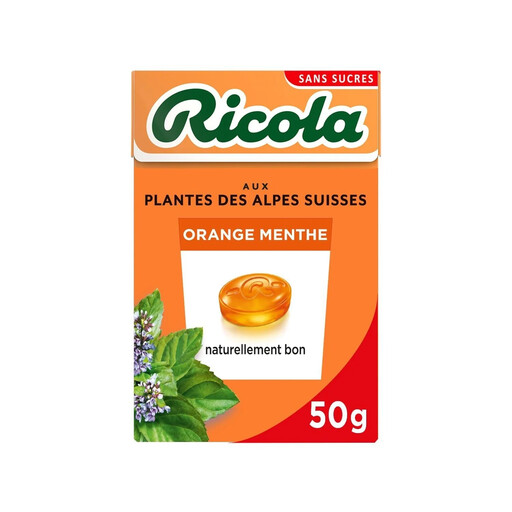 Image unavailable
This 50 g format lets you offer an orange and mint flavour alongside other sweets. If you’re buying these for several people, work out how many tins to bring and check the ingredients and labelling on the pack.
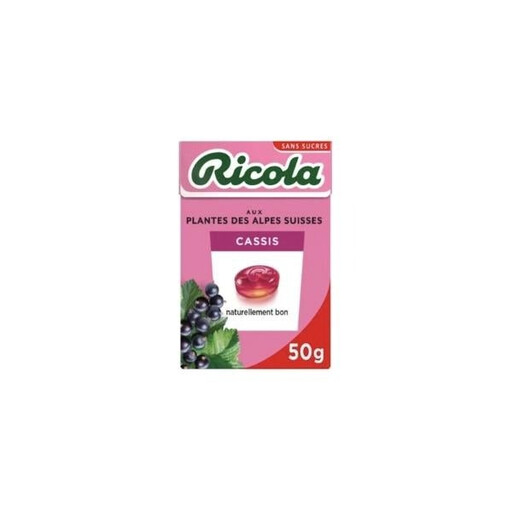 Image unavailable
The blackcurrant and herbal flavour offers another option in a small 50 g tin. For a jumble sale, work out how many tins you’ll need and read the ingredients and warnings on the packaging you’ll be handing out.
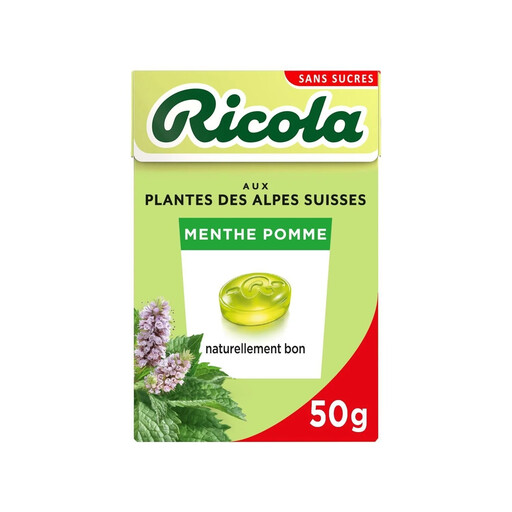 Image unavailable
This 50 g tin adds an apple and mint flavour to a varied selection. For handing out to a group, bear in mind its small size and check the ingredients and labelling on the pack.
No. The DGCCRF says Nutri-Score is voluntary in France, whereas a nutrition declaration is mandatory for most prepacked foods. A Nutri-Score label doesn’t, on its own, confirm that a product is ‘sugar-free’.
Under the European regulation on nutrition claims, a product labelled ‘sugar-free’, or with a claim to the same effect, must contain no more than 0.5 g of sugars per 100 g or 100 ml. This rule doesn’t remove the need to check the other ingredients in the sweets you choose.
Under the European rules outlined by Your Europe, a product containing more than 10% polyols must state that excessive consumption may produce laxative effects. Read the label on the pack you plan to hand out.
No. The Carrefour Sélection caramel product reviewed contains crème fraîche and skimmed milk. Check the ingredients list for each product and the packaging of the one you actually buy, rather than assuming what it contains from the ‘sugar-free’ label.
It’s best to offer other flavours if you want people to have a choice. Anses also warns that excessive liquorice consumption may cause adverse effects, including high blood pressure.