Hoteliers offering a “sugars-free” choice
If you use this claim with guests, check the sugar content per 100 g for each product. Regulation (EC) No 1924/2006 distinguishes between “sugars-free” and “no added sugars”.


For a product advertised as “sugars-free” beside a hotel’s coffee, choose products that meet the 0.5 g of sugars per 100 g threshold set by Regulation (EC) No 1924/2006. The claim “no added sugars” is not enough. Then choose the flavour and texture to suit how you plan to serve them, while keeping information about ingredients, allergens and any polyol warnings readily available.
If you use this claim with guests, check the sugar content per 100 g for each product. Regulation (EC) No 1924/2006 distinguishes between “sugars-free” and “no added sugars”.
If you serve the sweets out of their packaging, make sure guests can still access the ingredients, allergen information and any applicable warnings.
Depending on the range you want to offer, you could look for coffee, mint or herbal flavours. The choice of flavour does not replace checking the sugar content.
Start with the claim you plan to display for guests, then check the information needed for serving and the sweets’ format.
| What matters | What to check when buying | Consumers concerned |
|---|---|---|
| The “sugars-free” claim | Check the claim and sugar content per 100 g: Regulation (EC) No 1924/2006 sets a maximum of 0.5 g for this claim. | If I describe the sweets by the coffee station as “sugars-free”, I want the label to confirm that promise precisely. Around 50% of consumers put this check first. |
| Information for guests | Read the ingredients, allergen information and polyol warnings; make sure this information will remain accessible at the buffet. | For self-service sweets, I want everyone to be able to find the information shown on the packaging. This is the main concern for around 30% of consumers. |
| Flavour and serving | Compare the flavour, texture and packaging to suit how you plan to present the sweets by the coffee machine; check the storage instructions too. | By the coffee, I’m looking for a flavour and format that are easy to incorporate into service, without mistaking them for a nutritional criterion. This is a priority for around 20% of consumers. |
These claims are not interchangeable: sweets with no added sugars do not necessarily meet the “sugars-free” criterion.
Before using the latter claim on a dish or sign, check the sugar content per 100 g and the 0.5 g threshold set by Regulation (EC) No 1924/2006.
According to Haribo France, Croco Baby contains 30% less sugar, but its product information still lists 35 g of sugars per 100 g.
Keep reduced-sugar products separate from anything labelled “sugars-free”.
For foods containing more than 10% added polyols, Regulation (EU) 2021/1175 requires a warning about the laxative effects of excessive consumption.
If you serve sweets out of their bags, check the information for the product you have chosen and make any applicable details accessible to guests.
In France, displaying the Nutri-Score is voluntary, according to the Ministry of the Economy. Its absence alone therefore does not tell you about a sweet’s composition.
If it appears on the packaging, read it alongside the ingredients list and nutritional information for the exact product.
Carrefour France lists, among other products, coffee and liquorice sweets labelled “sugars-free”.
Rebelle is worth exploring if you’d like to offer gummy sweets alongside coffee.
Haribo Croco Baby is included here to show the difference between a reduced-sugar product and one advertised as “sugars-free”.
These products let you explore mint, herbal and liquorice flavours, as well as gummies, for serving by the coffee station. Check the information on the exact packaging before using a “sugars-free” claim or offering the sweets for self-service.
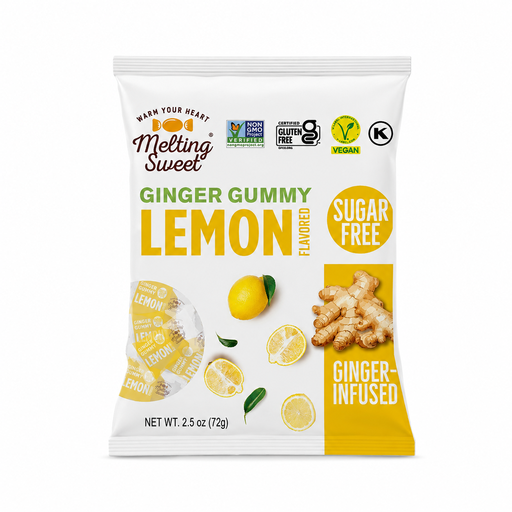 Image unavailable
A lemon and ginger gummy option if you’d like to add variety to the flavours served with coffee. The name claims “sugars-free”; check the sugar content and the information about coconut and consumption on the packaging you serve.
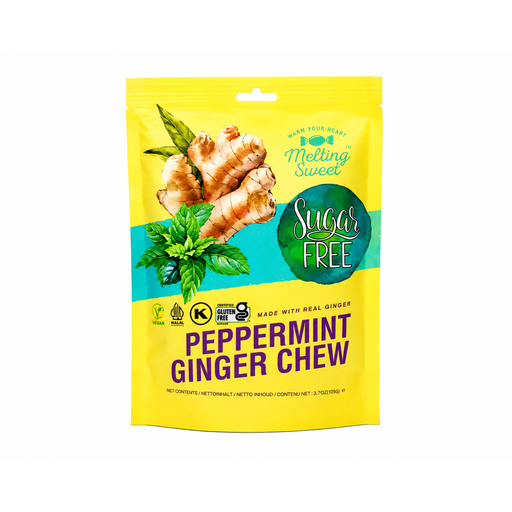 Image unavailable
Worth considering if you’re looking for a ginger and peppermint flavour for the coffee station. The name claims “sugars-free”; check the sugar content and any applicable polyol warning on the packaging used for service.
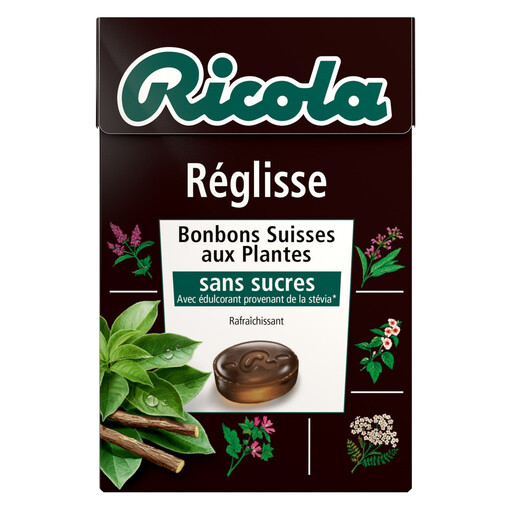 Image unavailable
An option for offering a liquorice and herbal flavour alongside coffee. Before serving, check the sugar content, the information about soya and any warnings on the exact tin.
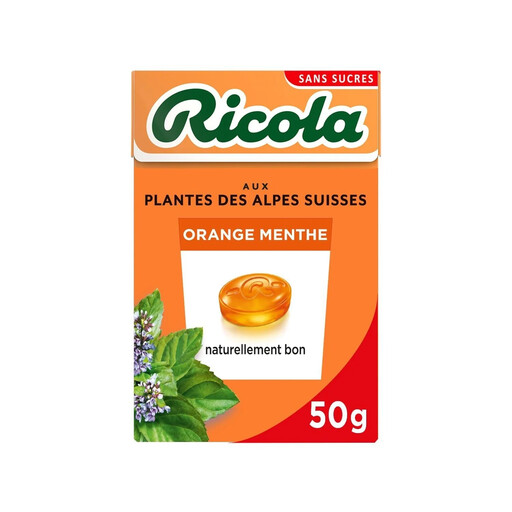 Image unavailable
Worth considering if you’d prefer an orange mint and herbal flavour for the coffee station. Check the sugar content, the information about isomalt and any warnings on the packaging you serve.
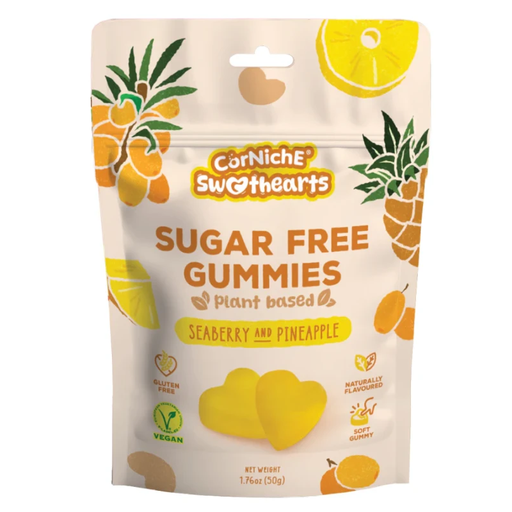 Image unavailable
A fruity gummy option if you don’t want to limit your selection to mint or coffee flavours. Before making them available for self-service, check the sugar content, the information about polyols and the sweets’ packaging.
No. According to the Ministry of the Economy, displaying it is voluntary in France. The DGCCRF, however, states that a nutrition declaration is compulsory for prepacked foods. Check this alongside the ingredients list, whether or not a Nutri-Score is displayed.
No. To carry the “sugars-free” claim, a product must contain no more than 0.5 g of sugars per 100 g or 100 ml, in accordance with Regulation (EC) No 1924/2006. Before using this claim at your hotel, check the sugar content listed for the product you have chosen.
Read the ingredients list and any warnings on the packaging. Regulation (EU) 2021/1175 requires a warning about the laxative effects of excessive consumption for foods containing more than 10% added polyols. If you take the sweets out of their bags, keep any applicable information accessible to guests.