Parents putting together holiday treat bags
If you’re planning to share or take sweets with you, compare the stated sugar content as well as the ingredients, allergens and portion sizes.


When choosing sugar-free sweets to take with you over the October half-term, start by checking the claim and the ‘of which sugars’ figure per 100 g. Under EU rules on nutrition claims, ‘sugar-free’ means no more than 0.5 g of sugars per 100 g or 100 ml. Then check the ingredients, allergens and any warnings about excessive consumption.
If you’re planning to share or take sweets with you, compare the stated sugar content as well as the ingredients, allergens and portion sizes.
A ‘reduced sugar’ recipe won’t necessarily meet your needs. Under EU rules on nutrition claims, ‘sugar-free’ can only be used for products containing no more than 0.5 g of sugars per 100 g or 100 ml.
Polyols, warnings about excessive consumption and allergens are worth checking separately from the ‘sugar-free’ claim. The Auchan sugar-free caramel sweets mentioned in the product information contain milk, for example.
For a bag of sweets to take with you over October half-term, first check that the claim meets your needs, then make sure the ingredients and format suit the people who’ll be eating them.
| Criterion | What to check | Who is it for? |
|---|---|---|
| ‘Sugar-free’ claim | Look for the exact claim and check the ‘of which sugars’ figure per 100 g. The EU threshold for this claim is no more than 0.5 g of sugars per 100 g or 100 ml. | If I really want sugar-free sweets, a simple reduction isn’t enough to help me choose. Around 42% of consumers put this distinction at the top of their list. |
| Ingredients and warnings | Check the polyols, allergens and any warning about excessive consumption on the packet. | For a bag to share, I want to be able to rule out a recipe containing an ingredient to avoid and take any warnings into account. This is the top priority for around 33% of consumers. |
| Taste and portability | Choose your preferred flavour and type of sweet, and follow the storage instructions for the product you select. | On holiday, I’m looking for a flavour everyone will enjoy and packaging that’s practical to take along, without overlooking the label. This comes first for around 25% of consumers. |
Haribo says Croco Baby contains 30% less sugar, but also states that it contains 35 g of sugars per 100 g. This product therefore doesn’t meet the EU threshold for the ‘sugar-free’ claim.
If this claim is important to you, look for it explicitly and compare the ‘of which sugars’ figure per 100 g.
The DGCCRF states that Nutri-Score is voluntary in France. Its presence, like a ‘sugar-free’ claim, doesn’t replace checking the ingredients and allergens.
Use it as an additional guide when it appears on the packaging, then check the nutritional information and ingredients list.
The product information for Auchan sugar-free caramel sweets states that they contain 90 g of polyols per 100 g. The information for Confiseo herbal sweets warns that excessive consumption may have a laxative effect.
Read the warning on the packet and bear in mind how much you eat, especially when sharing the sweets.
Auchan sugar-free caramel sweets contain fresh cream and milk powder. Their product information also says they are sensitive to heat and humidity.
Check the allergens for your chosen product before buying, and follow its transport and storage instructions.
These confectionery examples let you compare claims and ingredients. A brand may offer several recipes with different characteristics.
Carrefour offers fruit-flavoured hard sweets carrying the ‘sugar-free’ claim, in a 150 g bag.
The range mentioned includes sugar-free caramel and herbal sweets; precautions vary by recipe.
The sugar-free herbal hard sweets sold under this brand are an option if you’re looking for this type of lozenge.
Croco Baby is a useful point of comparison if you’re happy with a reduced-sugar recipe rather than a ‘sugar-free’ sweet.
These products include a sugar-free claim in their name and come in different flavours or pack sizes for the holidays. Before choosing, compare their labels, especially the ingredients and any warnings specific to each recipe.
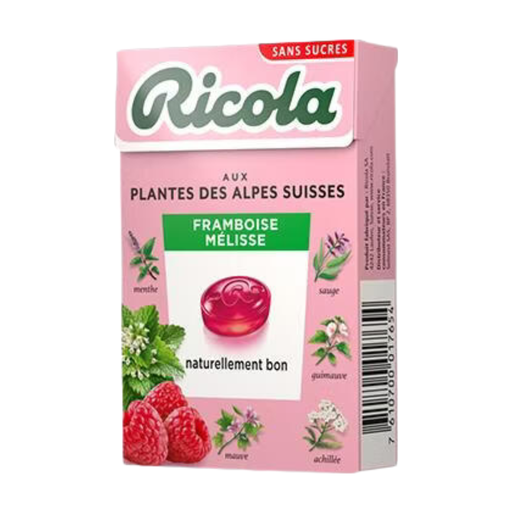 Image unavailable
The pocket-sized tin may suit you if you’d like to take a small quantity of sweets with you on your trip.
The product name indicates raspberry and lemon balm flavour, in a 50 g pack. Check the ingredients and consumption advice on the tin.
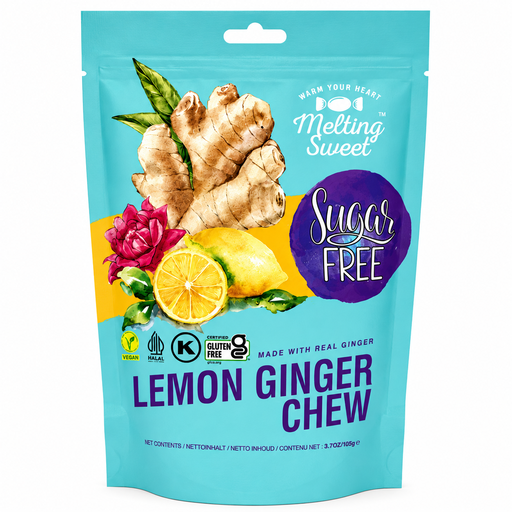 Image unavailable
This product is a good match if you prefer lemon and ginger chewy sweets to hard sweets.
The stated pack size is 105 g. Read the ingredients and warnings on the packet before sharing.
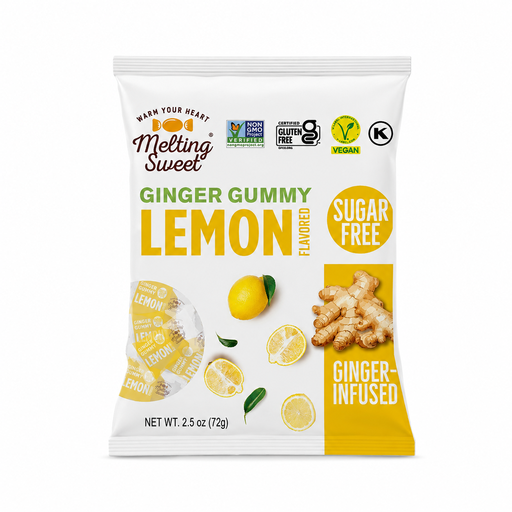 Image unavailable
Choose this product if you’re looking for ginger and lemon gummies rather than chewy sweets.
The stated pack size is 72 g. Check the ingredients list and warning about excessive consumption.
Under EU rules on nutrition claims, this claim can only be used for products containing no more than 0.5 g of sugars per 100 g or 100 ml. It doesn’t mean that the sweets contain no carbohydrates, polyols or energy: check the nutritional information and ingredients.
No. The DGCCRF describes Nutri-Score as a voluntary scheme, separate from the mandatory nutrition declaration for the relevant prepacked foods. If it appears on the packaging, it doesn’t replace checking the ingredients and the ‘of which sugars’ figure.
No. The ‘sugar-free’ claim describes the sugar content, not whether a product is suitable for your individual circumstances. Check the full ingredients and, if needed, ask a healthcare professional for advice tailored to you.
Some sugar-free recipes contain polyols. E.Leclerc’s product information for Confiseo herbal sweets warns that excessive consumption may have a laxative effect. Read the warning for the product you buy, and don’t treat the whole packet as one serving.
Follow the instructions on the product you choose. Auchan’s product information for its sugar-free caramel sweets says they are sensitive to heat and humidity. For this product, keep the packet closed, dry and away from heat.