People who keep an eye on declared sugar content
You’re looking for sweets whose ‘sugar-free’ claim you can check against the nutrition information, rather than relying on the taste or the wording on the front of the pack alone.


When choosing sugar-free sweets to pop in your gym bag, first check the exact claim and the ‘of which sugars’ line, then look at the ingredients, allergens and packaging for taking them with you. A sugar-free recipe may contain polyols or other sweeteners; that doesn’t make it a sports recovery food. Nutri-Score can provide an additional point of reference when displayed, but the French Directorate-General for Enterprise Affairs says that displaying it remains voluntary in France.
You’re looking for sweets whose ‘sugar-free’ claim you can check against the nutrition information, rather than relying on the taste or the wording on the front of the pack alone.
You want to know which polyols and other sweeteners are used, and whether there are any animal-derived ingredients, before putting sweets in your bag. If you have an allergy or dietary requirement, the exact recipe matters more than the product category.
You’re looking for a quantity that suits your outings and packaging that fits neatly in your bag. The pack’s seal and storage instructions can help you choose between two recipes that otherwise meet your criteria.
For your gym bag, start with the criterion that really determines your purchase, then check the other points on the product you choose.
| Criterion | What to check | Who is it for? |
|---|---|---|
| ‘Sugar-free’ claim | Read the exact claim and compare the ‘of which sugars’ line per 100 g. | If I’m looking specifically for sugar-free sweets, a product that is simply ‘reduced in sugar’ doesn’t meet my needs. Around 42% of consumers put checking declared sugar content at the top of their list of criteria. |
| Ingredients | Check the list for polyols and sweeteners, as well as allergens and any other ingredients that matter to you. | If certain ingredients don’t suit me, the ‘sugar-free’ claim alone isn’t enough to choose a recipe. For around 33% of consumers, the ingredients and whether they meet their dietary requirements are the priority. |
| Transport and storage | Check the net weight, whether the pack or individual units are sealed, and the storage instructions. | If my bag goes through the changing room, I want to be able to store my sweets neatly and follow the instructions on the pack. A convenient format is the main consideration for around 25% of consumers. |
These claims aren’t interchangeable. HARIBO describes Croco Baby as containing 30% less sugar, while its nutrition information states 35 g of sugars per 100 g. It shouldn’t be classed as a sugar-free sweet.
For every pack you’re considering, compare the exact claim with the ‘of which sugars’ line per 100 g.
According to the French Directorate-General for Enterprise Affairs, displaying Nutri-Score remains voluntary in France. Its presence doesn’t replace checking the ingredients, allergens and nutrition information.
Use it as an additional point of reference when it appears on the pack, but don’t rule out a product solely because the logo isn’t there.
Sugar-free recipes can vary considerably. Auchan’s listing for caramel sweets mentions polyols and milk, while the listing for Lucien Georgelin sugar-free lollipops includes aspartame and a source of phenylalanine.
Read the ingredients list and product-specific information before deciding whether a product meets your dietary requirements.
The net weight alone won’t tell you whether the pack can be resealed, how the sweets are packaged or whether you need to protect them from heat and humidity.
Check these details on the packaging and store the pack according to its instructions.
These examples can help you compare specific recipes and labels; they don’t represent every product from each brand or retailer.
The retailer lists, among other products, Carrefour Original fruit-flavoured sugar-free sweets in a 150 g pack.
The retailer offers a stevia-sweetened, sugar-free caramel sweet in a 120 g pack.
Croco Baby illustrates the difference between a recipe described as reduced in sugar and sugar-free sweets.
E.Leclerc DRIVE has a confectionery section with collection and delivery options.
These sweets, described as sugar-free, come in a range of flavours and net weights to consider for carrying in your gym bag. Compare the recipe and actual packaging before choosing: a weight indication doesn’t guarantee individual portions or a resealable pack.
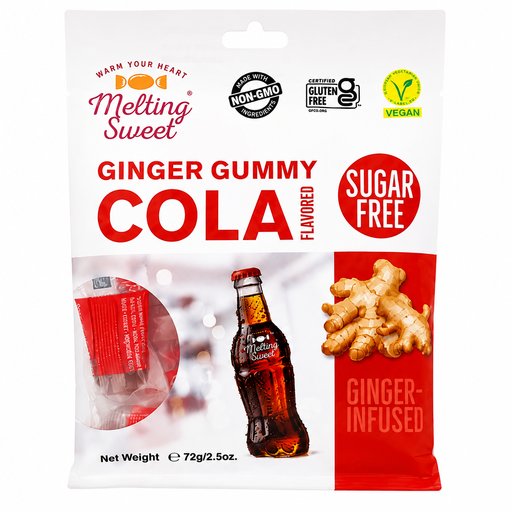 Image unavailable
Worth considering if you’re looking for ginger and cola-flavoured gummy sweets in a 72 g pack. Before taking them with you, check whether the pack can be resealed and read the storage instructions. Also check the sweeteners list if their type matters to you.
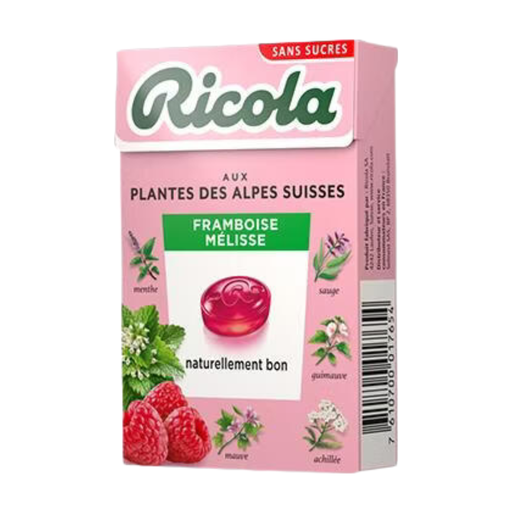 Image unavailable
The 50 g pocket tin is a good fit if you’re looking for a compact format. To compare these sweets with other sugar-free recipes, check the sweeteners, ingredients and storage instructions on the packaging.
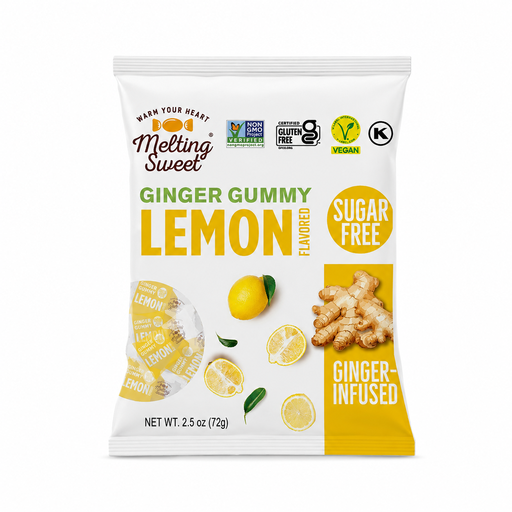 Image unavailable
This ginger and lemon flavour could be a good choice if you’re looking for gummy sweets to take with you in a 72 g pack. If the way each sweet is packaged or the type of sweetener used will determine your choice, check the product information.
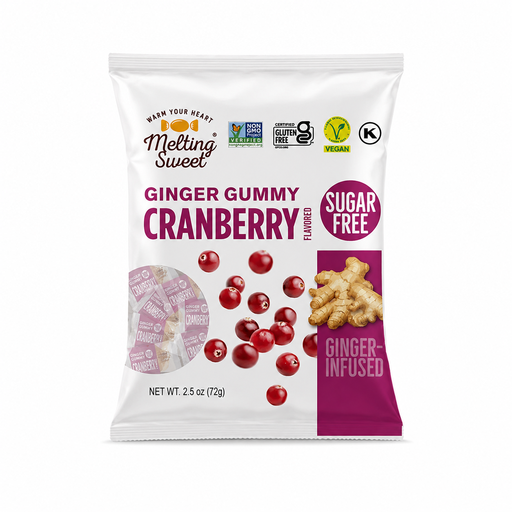 Image unavailable
This ginger and cranberry flavour comes in a 52 g pack. If you need to avoid certain ingredients or allergens, check the product information and also see how the sweets are packaged inside the pack.
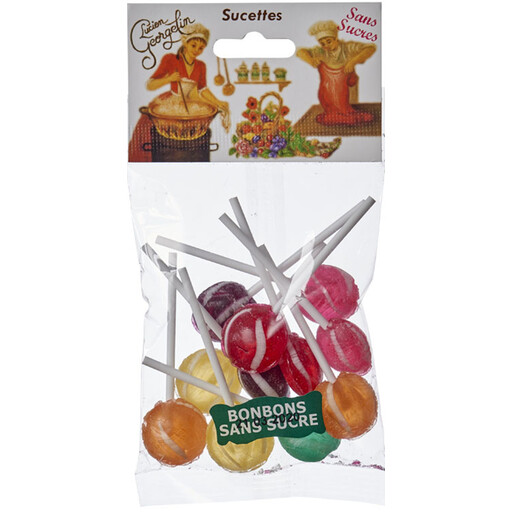 Image unavailable
These lollipops offer a different type of sweet to consider for your bag, in a 100 g pack. The Joybuy listing names isomalt, aspartame and acesulfame-K, as well as a source of phenylalanine. Check the packaging if you need to know whether each lollipop is individually wrapped.
No. The French Directorate-General for Enterprise Affairs says that displaying it remains voluntary in France. However, the DGCCRF states that prepacked food generally has to carry a nutrition declaration. When comparing sweets, check the ‘of which sugars’ line per 100 g in particular.
No. Auchan’s listing for sugar-free caramel sweets states that they contain less than 0.5 g of sugars, but also 90 g of polyols and 272 kcal per 100 g. Check the sugars, other nutrition values and the amount you plan to take with you separately. The ‘sugar-free’ claim doesn’t tell you everything about the product.
Check the ingredients list and allergen information for each product: two sugar-free sweets may use different sweeteners. For example, the Joybuy listing for LUCIEN GEORGELIN lollipops names aspartame and a source of phenylalanine. Don’t assume other products have the same ingredients.
No. In its research published in 2015, Anses did not demonstrate that consuming intense sweeteners benefits weight control, blood sugar levels in people with diabetes or the incidence of type 2 diabetes. So a ‘sugar-free’ claim doesn’t let you draw your own conclusions on these issues.
Check the net weight, how the pack closes and whether the sweets are individually wrapped, then follow the storage instructions for the product you choose. If it needs to be stored in a cool, dry place, bear this in mind if your bag will be left somewhere warm or humid.