For an occasional treat, choose a sweet that genuinely carries the claim ‘sugar-free’, then check the ‘sugars’ line in the nutrition information: the Annex to Regulation (EC) No 1924/2006 sets a maximum of 0.5 g of sugars per 100 g or 100 ml for this claim. ‘No added sugars’ does not mean the same thing. If you’re buying for a child, also check the ingredients, warnings and format; confectionery alone is not a substitute for a snack.
Who are these choices for?
Parents specifically looking for sugar-free sweets
If sugar content is your top priority, compare the exact claim on the packet with the ‘sugars’ value per 100 g. Similar wording, such as ‘no added sugars’, does not automatically meet this requirement.
Parents putting together a snack
If you’re wondering what to serve regularly after school, don’t start with a bag of sweets. Manger Bouger suggests options such as bread, a piece of fruit or a dairy product to add variety to snack time, and advises limiting sugary and fatty foods in your child’s everyday diet.
Parents mindful of format and safety advice
A ‘sugar-free’ claim tells you nothing about the other ingredients or whether the product is suitable for your child. Read the warnings and choose a format suited to their age. The DGCCRF also advises caution when a sweet comes with non-edible items.
Which criteria should you prioritise?
First decide whether you’re buying an occasional treat or looking for something to make up a snack. For confectionery, the claim, nutrition information and product-specific precautions will then help you choose.
| What matters |
What to check |
Who this matters to |
| The ‘sugar-free’ claim |
Look for the exact claim and the ‘sugars’ value per 100 g. For solid confectionery, the threshold for this claim is a maximum of 0.5 g of sugars per 100 g, according to the Annex to Regulation (EC) No 1924/2006. |
If I’m specifically looking for a sugar-free treat, I don’t want to confuse this claim with ‘no added sugars’. Around 42% of consumers put this check first. |
| Its place in a snack |
Distinguish an occasional treat from the foods that usually make up a snack, such as bread, a piece of fruit or a dairy product, as suggested by Manger Bouger. |
For my child’s regular snack, I want to choose something other than just a bag of sweets. This is the priority for around 33% of consumers. |
| Safety advice and format |
Read the ingredients and warnings, then check the format and whether the product comes with any non-edible items. |
Before giving my child confectionery, I want to know whether the format and safety advice are suitable. Around 25% of consumers say this is their main concern. |
Mistakes to avoid
-
Confusing ‘no added sugars’ with ‘sugar-free’
These claims refer to different criteria: the first does not, on its own, show that the confectionery meets the threshold for the second.
If you’re specifically looking for sugar-free sweets, check for this claim on the packet and look at the ‘sugars’ value per 100 g.
-
Making confectionery the whole snack
The sugar content of a sweet doesn’t make it an equivalent of the foods recommended for a varied snack.
For a regular snack, start instead with foods suggested by Manger Bouger, such as bread, a piece of fruit or a dairy product, and keep confectionery for occasional treats.
-
Overlooking ingredients and warnings
Ingredients that give a sweet taste can go by many different names, as the Anses points out. So the ‘sugars’ line alone doesn’t tell you everything about a sweet’s ingredients.
Read the ingredients list and any safety advice on the packet before choosing a product for a child.
-
Choosing a format without considering your child
The format and any items supplied with confectionery call for separate consideration from its sugar content. The DGCCRF highlights the risks posed to young children by gadgets that imitate or come with sweets.
Avoid confectionery that comes with small non-edible items and check that the format is suitable for your child’s age.
Brands to consider
These ranges can help you know what to look for in store, but they’re no guarantee that every product is suitable for a child’s snack. Carrefour France displays both ‘sugar-free’ and ‘no added sugars’ claims, so check the wording on the packet you choose.
Carrefour Original
Carrefour France lists fruit-flavoured sweets carrying the ‘sugar-free’ claim.
- The fruit flavour may suit you if you’re looking for fruity confectionery.
- Before choosing a specific product for a child, check its ingredients, warnings and format.
Rebelle
Carrefour France lists Rebelle Crocos Sour gummy sweets with the ‘no added sugars’ claim.
- The gummy format offers a different texture to consider.
- ‘No added sugars’ isn’t enough to include these in a selection that requires ‘sugar-free’; check the claim and nutrition information on the packet.
Ricola
Carrefour France lists Ricola herbal sweets carrying the ‘sugar-free’ claim.
- The claim shown makes it easier to identify products to consider if you’re looking specifically for sugar-free sweets.
- Your child may not like the herbal flavour; also check the ingredients and any safety advice for the product you choose.
Werther’s
A Werther’s cream-flavoured sweet carrying the ‘sugar-free’ claim is among the confectionery options listed by Carrefour France.
- The creamy flavour is an option if you prefer this taste.
- Flavour alone tells you nothing about the ingredients or whether the product is suitable for a child, so check the specific packet.
Sugar-free lollipops and sweets on Joybuy
This selection brings together lollipops and sweets carrying a ‘sugar-free’ claim for an occasional treat; it does not include sugar-coated sweets. Before buying for a child, check the ‘sugars’ value per 100 g, ingredients and warnings on the packet, and make sure the format is suitable for their age.
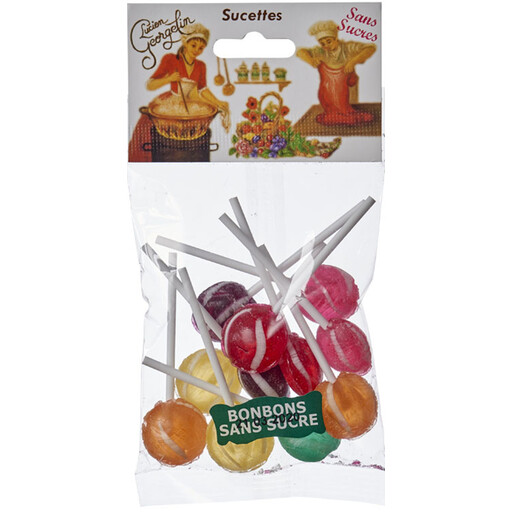 Image unavailable
LUCIEN GEORGELIN, sugar-free lollipops, 100 g
Worth considering if you’re looking for a lollipop rather than a chewy sweet for an occasional treat. The listed ingredients include aspartame and a source of phenylalanine; read the warnings on the packet and check that the lollipop is suitable for your child’s age.
View on Joybuy
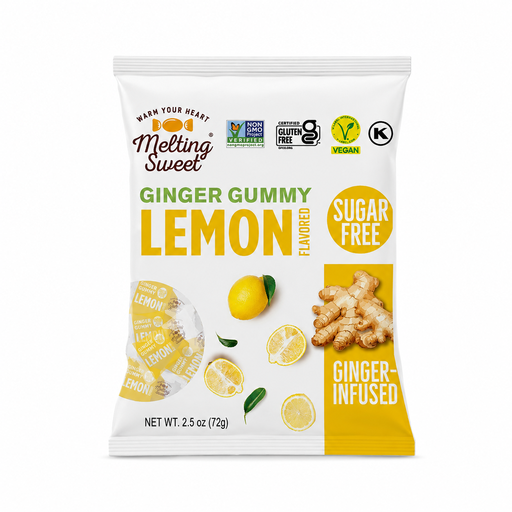 Image unavailable
MELTING SWEET, sugar-free soft ginger and lemon sweets, 72 g
The individually wrapped format may be handy for taking an occasional treat with you. The product information lists coconut and warns of a possible laxative effect if consumed in excess; check the ingredients and safety advice, and make sure the sweet is suitable for your child.
View on Joybuy
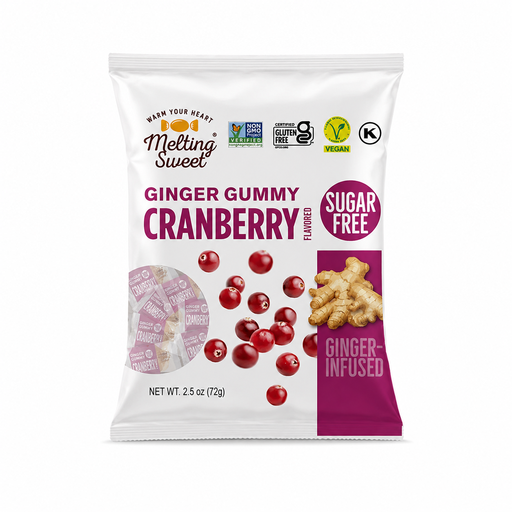 Image unavailable
MELTING SWEET, sugar-free soft cranberry and ginger sweets, 52 g
This individually wrapped variety may suit you if you prefer cranberry and ginger. A warning states that excessive consumption may have a laxative effect; also check the allergen information and safety advice on the packet before offering these to a child.
View on Joybuy
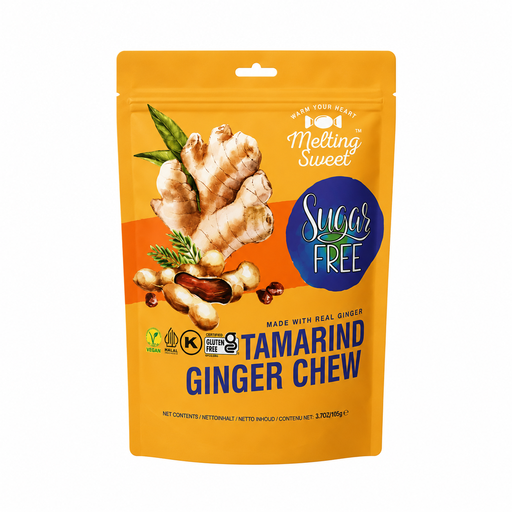 Image unavailable
MELTING SWEET, sugar-free soft tamarind and ginger sweets, 105 g
Consider these if you’re looking for a soft texture and tamarind and ginger flavour. The product information lists maltitols, sorbitols and coconut, and warns of a possible laxative effect if consumed in excess. Check the packet and format before choosing a product for a child.
View on Joybuy
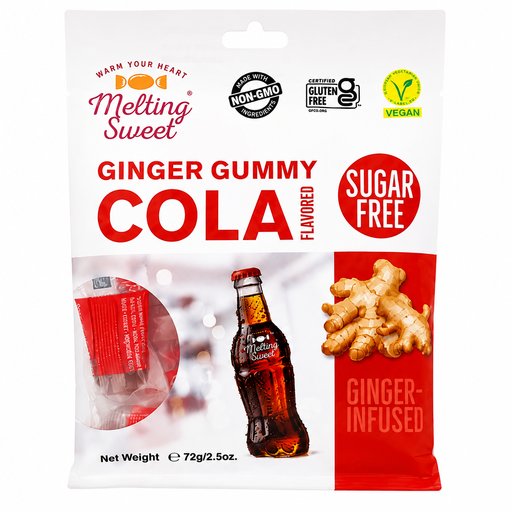 Image unavailable
MELTING SWEET, sugar-free cola and ginger gummy sweets, 72 g
The resealable bag may suit you if you’re looking for cola and ginger-flavoured gummy sweets, but it doesn’t indicate how much to give. The product information lists sorbitols; read the warnings on the packet and check that the format is suitable for your child.
View on Joybuy
Frequently asked questions
What does ‘sugar-free’ mean on confectionery sold in France?
The Annex to Regulation (EC) No 1924/2006 sets a maximum of 0.5 g of sugars per 100 g or 100 ml of product for this claim; the DGCCRF notes that nutrition claims are covered by this regulation. For a solid sweet, check the claim printed on the packet and the ‘sugars’ value per 100 g.
Is ‘no added sugars’ enough if I’m looking for ‘sugar-free’?
No. This wording on its own does not prove that a product meets the ‘sugar-free’ criterion. The Rebelle range listed by Carrefour France illustrates the difference in wording; check the exact claim and the ‘sugars’ line for the product you’re interested in.
Can sugar-free sweets make up a whole snack?
Confectionery alone is not a substitute for a varied snack. Manger Bouger suggests options such as bread, a piece of fruit or a dairy product, and recommends limiting sugary and fatty foods in your child’s everyday diet. Keep sweets for occasional treats.
What should I check before giving confectionery to a child?
Read the ingredients and warnings, then check that the format is suitable for your child’s age. The DGCCRF particularly advises caution with confectionery that comes with gadgets or small non-edible items.


