Hosts looking for sugar-free sweets
You want the sweets on your buffet to meet the “sugar-free” criterion, rather than simply containing no added sugars or having less sugar than another recipe.


If you want to serve sweets that are genuinely “sugar-free”, choose a product labelled as such and check the “of which sugars” figure: EU rules on nutrition claims set a maximum of 0.5 g of sugars per 100 g or 100 ml. “No added sugars” and “reduced sugars” do not necessarily meet the same criterion. For an outdoor buffet, also check the ingredients, allergens, packaging and storage instructions for each product.
You want the sweets on your buffet to meet the “sugar-free” criterion, rather than simply containing no added sugars or having less sugar than another recipe.
You’re serving several guests and want to be able to check the polyols, allergens and warnings on each packet before filling a shared bowl.
You need to choose packaging that’s easy to share and take storage instructions into account if the sweets might be exposed to heat or humidity.
For a garden party, check the nutrition claim first, then look at the ingredients and how you’ll serve the sweets.
| Criterion | What to check | Who is it for? |
|---|---|---|
| The “sugar-free” claim | Look for the exact claim and the “of which sugars” figure per 100 g. EU rules set the threshold for this claim at a maximum of 0.5 g of sugars per 100 g or 100 ml. | If the buffet needs to offer genuinely sugar-free sweets, a simple “no added sugars” claim isn’t enough for me. Around 42% of consumers put sugar content first. |
| The ingredients | Read the ingredients list and check the polyols, allergens and warnings for the product you’ve chosen. | When several guests are helping themselves to the same selection, I want to be able to identify any ingredients that matter to them. Ingredients are the main concern for around 33% of consumers. |
| Serving outdoors | Check the packaging and any instructions about heat and humidity. | For an outdoor buffet, I prefer to plan how to keep packets sealed and serve the sweets as needed. Around 25% of consumers prioritise serving conditions above all else. |
“No added sugars” or “reduced sugars” doesn’t mean “sugar-free”. For example, Haribo describes Croco Baby as containing 30% less sugar, but its product information lists 35 g of sugars per 100 g. This product doesn’t meet the “sugar-free” criterion.
For a sugar-free buffet, check the exact claim and the “of which sugars” figure on the packaging of the product you buy. Serve sweets that meet a different criterion separately.
A low sugar content doesn’t tell you how many polyols a product contains. Auchan’s product information for its sugar-free caramel and herbal sweets lists 90 g and 96 g of polyols per 100 g respectively. The Official Journal of the European Union notes the laxative effect polyols can have when used in food.
Read the ingredients and warnings for each product, and leave the packaging where guests can check it, particularly if the sweets are self-service.
Auchan’s product information for its sugar-free caramel sweets lists milk and fresh cream. Haribo notes that Croco Baby may contain traces of wheat and milk. These details vary by product.
Keep the packaging close by and label the bowls so guests can check the ingredients and any “may contain” warnings that matter to them.
Auchan’s product information for its caramel and herbal sweets, as well as Haribo’s information for Croco Baby, recommends protecting them from heat and humidity.
Follow the instructions for the product you choose: keep your stock sealed and in the shade, and serve only what you need at the time in a clean, dry bowl.
Carrefour offers sweets labelled “sugar-free” under several of its own brands, as well as products from other brands.
Auchan offers sugar-free hard sweets made with stevia, including caramel and herbal flavours.
Haribo gives you a point of comparison if you’re considering reduced-sugar sweets rather than a strictly sugar-free selection.
These products are labelled “sugar-free” in their names and offer flavours and pack sizes to consider for a garden party. Before serving them, compare the nutrition information, ingredients and instructions on the packaging you receive.
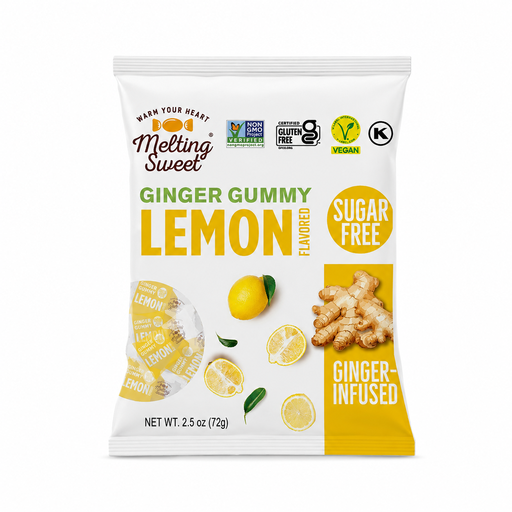 Image unavailable
This product is a good fit for a selection where you’d like to offer a ginger and lemon flavour. These are gummy sweets in a 72 g bag, described as sugar-free.
For sharing, check the ingredients, warnings and storage instructions on the bag.
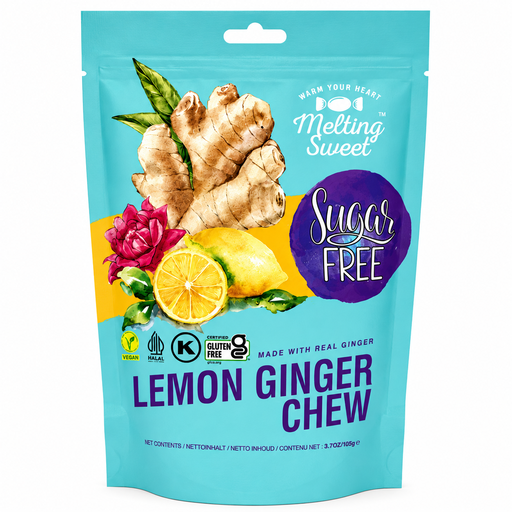 Image unavailable
If you prefer chewy sweets for your selection, this product combines lemon and ginger. Its name indicates a 105 g pack and a “sugar-free” claim.
Check the ingredients and warnings before leaving the packet out for guests to help themselves.
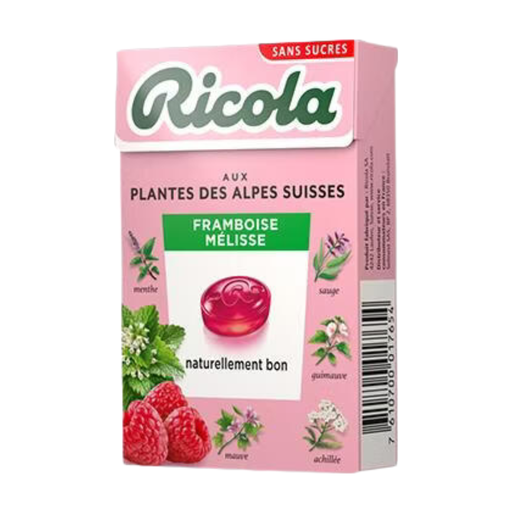 Image unavailable
This box lets you add a raspberry and lemon balm flavour to the sweets on offer. Its name describes them as sugar-free herbal sweets in a 50 g box.
If you’re expecting several guests, check how many sweets are in the box as well as the ingredients on the packaging.
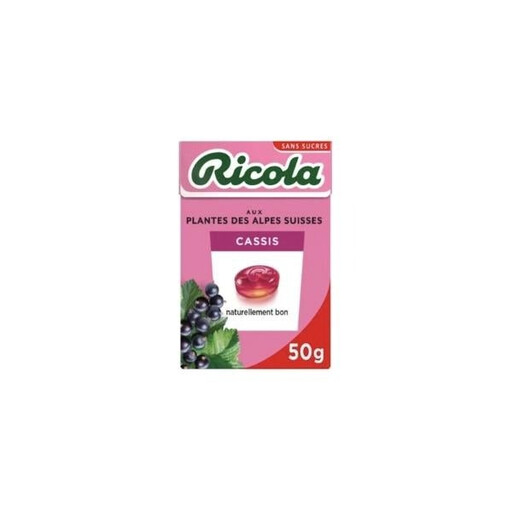 Image unavailable
Add variety to the buffet with these blackcurrant herbal sweets. The product name states “sugar-free” and gives a pack size of 50 g.
Before working out how many you’ll need for the group, check how many sweets are in the box and read the information on the packaging.
No. The DGCCRF explains that Nutri-Score is voluntary. Nutrition declarations are covered by separate labelling rules and are generally shown on prepacked foods, subject to regulatory exemptions. So, when a Nutri-Score is displayed, it doesn’t replace checking the sugars per 100 g.
No. EU rules on nutrition claims reserve “sugar-free” for products containing no more than 0.5 g of sugars per 100 g or 100 ml. If the only claim is “no added sugars”, check the “of which sugars” figure before adding the product to a strictly sugar-free buffet.
Don’t assume so: ingredients and allergen information vary from one recipe to another. Some products also contain polyols, which the Official Journal of the European Union notes can have a laxative effect. Keep the packaging so everyone can check the information for the product being served.
Follow the instructions on each pack, and don’t leave packets exposed to heat or humidity if they need to be protected from them. Auchan’s product information for its sugar-free caramel and herbal sweets, as well as Haribo’s information for Croco Baby, gives this advice. For these products, keep your stock sealed and serve small amounts at a time.