Organisers looking for a strictly sugar-free option
You want to distinguish this claim from simply having less sugar, without assuming that the sweets are free from carbohydrates or calories.


For a village fête, first choose sweets labelled “sugar-free” and check the “of which sugars” line. Then match the pack size to the number of people you’re serving: a bag of sweets and a small tin of lozenges won’t serve the same purpose. Before putting products out, also compare the polyols, allergens and storage instructions.
You want to distinguish this claim from simply having less sugar, without assuming that the sweets are free from carbohydrates or calories.
You need to choose flavours and pack sizes that work for serving, then make sure participants can access information about ingredients and allergens.
You want to check the sweeteners, the amount of polyols where listed, and the allergen information before offering a choice of products.
Start by confirming the “sugar-free” claim, then choose a pack size that suits the occasion and check the ingredients for each product.
| What matters | What to check before buying | Who it matters to |
|---|---|---|
| “Sugar-free” claim | Check the product description and the “of which sugars” line per 100 g; don’t confuse “sugar-free” with “reduced sugar”. | If your selection must meet a strict request for sugar-free sweets, a reduced-sugar product won’t be enough. Around 42% of consumers would put this check at the top of their list. |
| Pack size and flavour | Compare the pack weight and, if shown on the packaging, the number of sweets; plan quantities around how you intend to serve them. | When serving several people, I look for a pack that’s easy to share and a flavour that suits the selection. This would be the main consideration for around 33% of consumers. |
| Ingredients and storage | Check the ingredients, allergens, listed polyols and storage instructions. | Before putting sweets out for people to help themselves, I want to be able to share the ingredient information and store them as instructed. Around 25% of consumers would prioritise this information. |
Auchan’s product listing for sugar-free caramel sweets shows less than 0.5 g of sugars, but 90 g of carbohydrates, including 90 g of polyols, and 272 kcal per 100 g.
Compare the nutrition information per 100 g, including energy, carbohydrates, sugars and polyols where specified.
Haribo says Croco Baby contains 30% less sugar, but also lists 35 g of sugars per 100 g. This product therefore doesn’t meet a strict “sugar-free” requirement.
Check the exact wording on the pack and present reduced-sugar products as a separate option.
A 50 g tin of Ricola lozenges and a 120 g bag of Auchan caramel sweets containing 24 sweets don’t make it possible to plan your serving in the same way.
Work out how many people you’ll be serving and how many sweets you’ll need, then check the contents of each pack before deciding on quantities.
The DGCCRF states that displaying Nutri-Score is optional in France. If it’s not shown, you still need to read the label.
If Nutri-Score appears on the product, take it into account, but also check the ingredients, allergens and nutrition information.
The products reviewed include sugar-free caramel sweets in a 120 g bag and tutti-frutti-flavoured sweets in a 150 g bag.
The French catalogue features several types of sweets labelled sugar-free, including caramel, mint, fruit and liquorice flavours.
The sugar-free liquorice lozenges reviewed come in a 50 g tin, making them more suitable as an individual extra.
Croco Baby is a useful point of comparison when distinguishing a reduced-sugar recipe from sugar-free sweets.
This selection includes flavoured sweets in bags and Ricola lozenges in pocket-sized tins. For your fête, choose pack sizes to suit the way you plan to serve them, and check the labels on the products you receive.
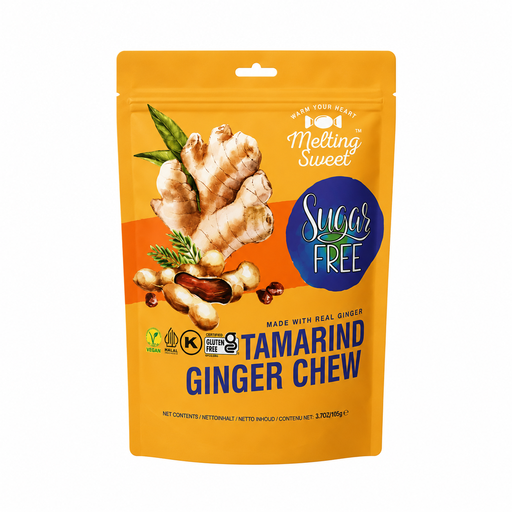 Image unavailable
The 105 g bag is a good choice if you’d like to include tamarind and ginger among a range of flavours. Check how many sweets you’ll need for serving, as well as the ingredients and consumption guidance on the packaging.
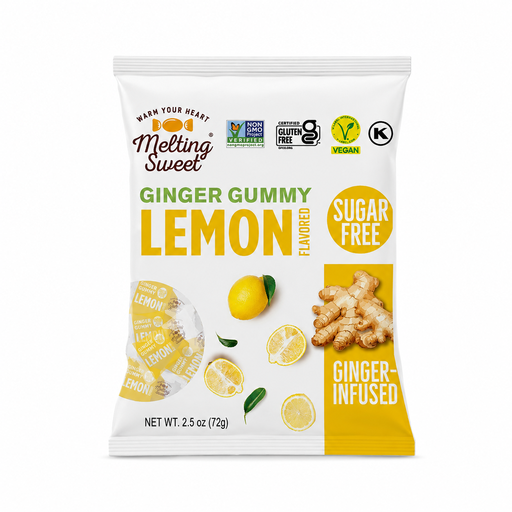 Image unavailable
This lemon and ginger flavour can add variety to your fête selection. The bag contains 72 g: check how many sweets it contains before planning quantities, and read the ingredients and warnings on the packaging.
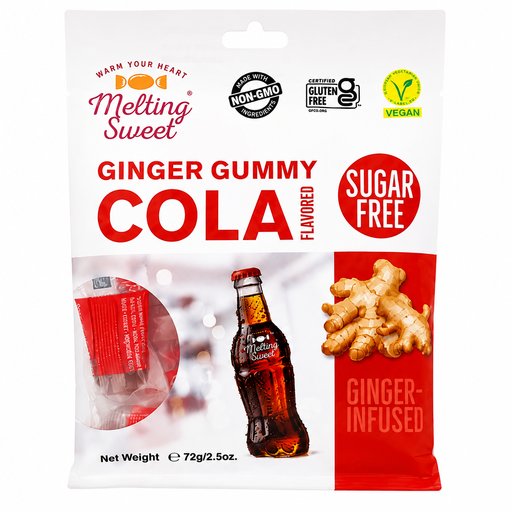 Image unavailable
Consider this option if ginger and cola suits your selection. With a 72 g bag, check the number of sweets per pack and the nutrition information before planning your serving.
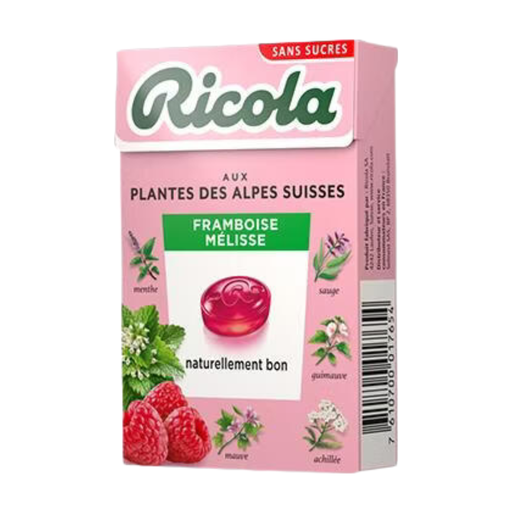 Image unavailable
The 50 g pocket-sized tin is better suited as an extra than as the main sweets for serving. Check the ingredients for this particular flavour: information about Ricola’s liquorice product doesn’t automatically apply to it.
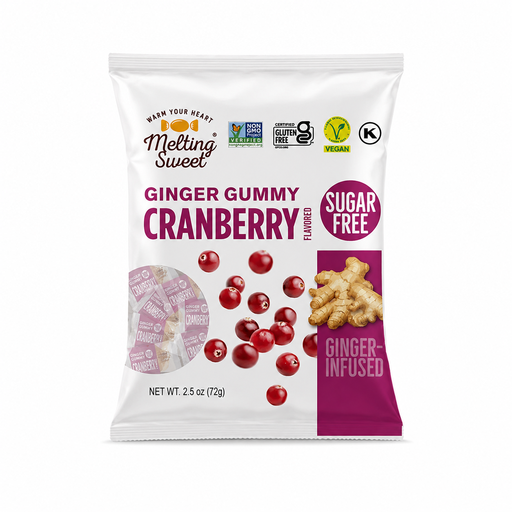 Image unavailable
This 52 g bag can add another flavour to your selection, but check how many sweets it contains to plan your serving. Refer to the packaging for allergen and polyol information, and any consumption warnings.
No. The DGCCRF says displaying Nutri-Score is optional in France, while nutrition labelling on pre-packed foods is generally compulsory. To compare two products, also check their ingredients and nutrition information, whether or not they display a Nutri-Score.
No. Auchan’s product listing for sugar-free caramel sweets shows less than 0.5 g of sugars, but 90 g of carbohydrates and 272 kcal per 100 g. Compare the “carbohydrates” and “of which sugars” lines separately, as well as the energy and any listed polyols.
Make sure the ingredient and allergen information is easy to access, and follow the storage instructions for each product. Auchan’s caramel listing, for example, states that the sweets contain milk and should be kept away from heat and moisture; Ricola’s liquorice listing flags soya.
No, not if “sugar-free” is your requirement. Haribo says Croco Baby contains 30% less sugar, but its product listing still shows 35 g of sugars per 100 g. Offer this type of recipe separately from products labelled “sugar-free”.