Anyone looking to avoid declared sugars
To choose a genuinely ‘sugar-free’ evening treat, check the ‘of which sugars’ figure per 100 g. The EU rules on nutrition claims, published on EUR-Lex, distinguish this label from simply reducing sugars.


For an evening treat, choose a sweet labelled ‘sugar-free’ if your priority is avoiding declared sugars: under EU rules on nutrition claims, this label means a maximum of 0.5 g of sugars per 100 g. Then compare the portion you plan to eat, the energy, polyols, ingredients and allergens. A sweet that is reduced in sugars does not necessarily meet the same standard. If you also want to avoid sweeteners, check the ingredients rather than relying on the wording on the front of the pack.
To choose a genuinely ‘sugar-free’ evening treat, check the ‘of which sugars’ figure per 100 g. The EU rules on nutrition claims, published on EUR-Lex, distinguish this label from simply reducing sugars.
The weight of the pack won’t necessarily match how much you’ll eat. Compare the nutrition information per 100 g, then work it out for the portion you have in mind. Don’t assume that ‘sugar-free’ means calorie-free.
The ingredients list helps you identify the substances used in place of sugars. If polyols are a concern, also check the amount if it’s given, and take into account any other products of this kind you eat during the day.
For a late-night snack, start by deciding what matters most to you: the ‘sugar-free’ label, how much you plan to eat or the ingredients in the recipe.
| What matters to you | What to check | Who is it for? |
|---|---|---|
| Declared sugars | The ‘sugar-free’ label and the ‘of which sugars’ figure per 100 g; the regulatory threshold is 0.5 g per 100 g. | If I want to avoid declared sugars, a recipe that is simply ‘reduced in sugars’ doesn’t meet my criteria. Around 46% of consumers put this distinction first. |
| Portion and energy | The energy per 100 g and the weight of the portion you have in mind; saturated fat if it’s one of your criteria. | For a small evening treat, I want to know what the amount I’ll actually eat adds up to, not just the whole pack. Portion size and energy are the main priority for around 36% of consumers. |
| Polyols and ingredients | The ingredients list, the amount of polyols if it’s stated, and the allergens in the product you’ve chosen. | If I’m keeping an eye on polyols or sweeteners, the ingredients matter more to me than the absence of sugars alone. This is the main concern for around 18% of consumers. |
HARIBO says Croco Baby has 30% less sugar, while also stating that it contains 35 g of sugars per 100 g. This product therefore does not meet the 0.5 g per 100 g threshold for the ‘sugar-free’ claim.
If avoiding declared sugars is your priority, check both the label and the ‘of which sugars’ figure per 100 g.
Auchan’s product information for sugar-free Mentos Fruit gives 189 kcal per 100 g; its sugar-free caramel sweets are listed at 272 kcal per 100 g. These figures apply to two specific recipes, not all sugar-free sweets.
Compare the energy figures using the same unit, then consider how much of the pack you plan to eat.
Sugar-free sweets can contain polyols. The EU regulation published on EUR-Lex notes their potential laxative effect, so the amount you eat and your individual sensitivity are worth considering.
Read the ingredients and, if it’s shown on the pack, the ‘polyols’ figure. Also take into account any other products containing polyols that you eat during the day.
According to Santé publique France, displaying Nutri-Score is voluntary. The DGCCRF explains that nutrition information is compulsory for most prepacked foods: these are two separate pieces of information.
If a Nutri-Score is shown, you can take a look, but also read the nutrition information, ingredients and allergens for the exact product you’re considering.
Carrefour offers sugar-free fruit sweets in a 150 g bag.
Auchan offers a sugar-free caramel sweet recipe made with stevia.
Croco Baby is worth comparing if you’re happy with a sweet that is reduced in sugars rather than sugar-free.
These products are labelled ‘sugar-free’ and come in a range of flavours and formats for an evening treat. To choose between them, compare the label with the portion you have in mind and your requirements for polyols and ingredients.
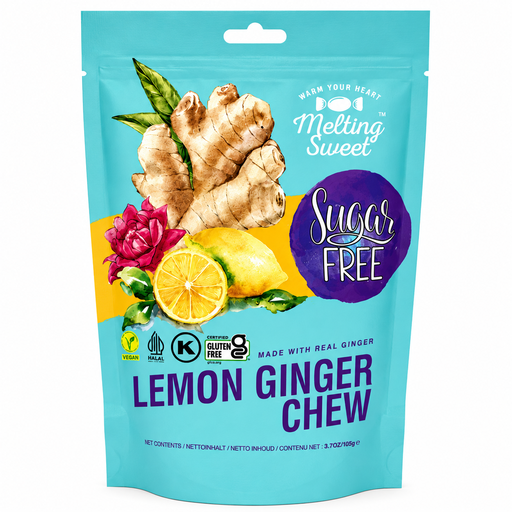 Image unavailable
If you’re looking for a soft lemon and ginger sweet, this product is labelled ‘sugar-free’ and comes in a 105 g bag. If polyols or portion size matter to you, check the amount of polyols and how much you plan to eat.
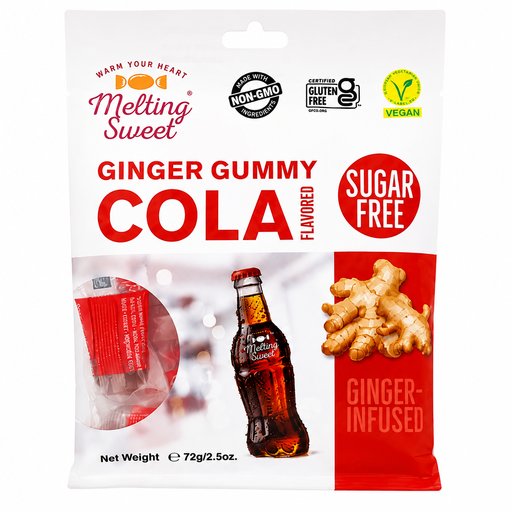 Image unavailable
For a gummy texture and cola-ginger flavour, this ‘sugar-free’ variety comes in a 72 g bag. Check the ingredients and nutrition information for this variety rather than assuming they’re the same as another flavour.
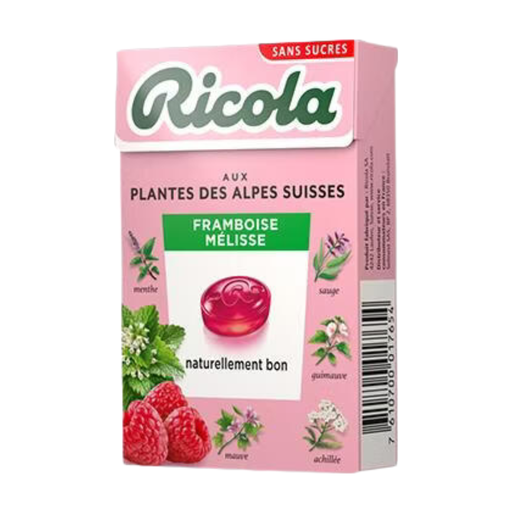 Image unavailable
If you prefer lozenges in a handy tin, this raspberry and lemon balm variety is labelled ‘sugar-free’ and contains 50 g of product. The size of the tin doesn’t replace checking the amount of polyols against your planned portion.
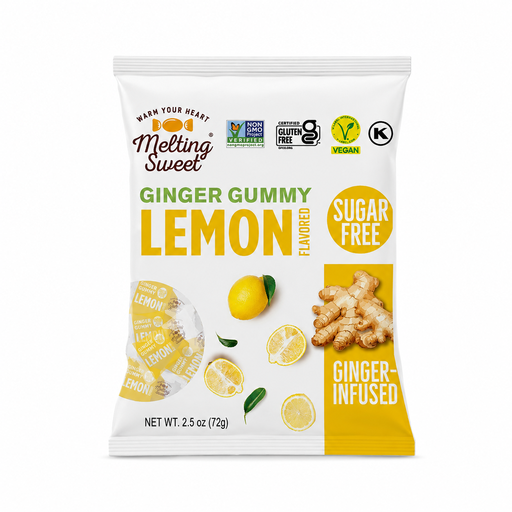 Image unavailable
This ‘sugar-free’ lemon and ginger gummy variety comes in a 72 g bag. If polyol content or a particular ingredient is important to your choice, check the information on the packaging before buying.
No. Santé publique France says that displaying it is voluntary. The DGCCRF distinguishes it from nutrition information, which is compulsory for most prepacked foods. Even when Nutri-Score appears on the pack, check the nutrition information and ingredients too.
Under the EU rules on nutrition claims, published on EUR-Lex, a product can use this label if it contains no more than 0.5 g of sugars per 100 g or 100 ml. ‘Reduced in sugars’ is a different claim. If this threshold matters to you, check the ‘of which sugars’ figure.
No. Auchan’s product information lists 189 kcal per 100 g for sugar-free Mentos Fruit and 272 kcal per 100 g for its sugar-free caramel sweets. For an evening treat, compare the energy per 100 g with the amount you plan to eat.
Because some sugar-free sweets contain polyols, which can have a laxative effect, as noted in the EU regulation published on EUR-Lex. If you’re sensitive to them, check the ingredients, the amount of polyols listed and any other products of this kind you eat during the day.
Yes. The recipe for sugar-free caramel sweets offered by Auchan contains fresh cream and milk powder. Check the allergens on the packaging of the variety you’re buying rather than assuming what it contains from the ‘sugar-free’ label.