To tell “sugar-free” apart from “reduced sugar”
If “sugar-free” is your starting point, compare the “of which sugars” figure per 100 g too. A claim that sugars have been reduced doesn’t refer to the same category of sweets.


If you’re looking for strictly sugar-free sweets to enjoy with your coffee, start by checking for the “sugar-free” claim, then look at the “of which sugars” figure and the ingredients for the product you’ve chosen. A mint or herbal lozenge can satisfy a craving for something refreshing; if you prefer caramel, check the sweeteners and allergens in particular. A sweet that is simply reduced in sugars won’t meet the same need.
If “sugar-free” is your starting point, compare the “of which sugars” figure per 100 g too. A claim that sugars have been reduced doesn’t refer to the same category of sweets.
If you prefer mint, eucalyptus or herbs to caramel or a gummy sweet, the flavour and type of sweet can help guide your choice.
“Sugar-free” doesn’t mean you can skip the ingredients list. Check the polyols, any warnings and the allergens for the variant you’re planning to buy.
When choosing sweets for your coffee break, first check the nutritional claim you’re looking for, then compare the recipes by their sweeteners and flavour.
| What matters | What to check | Who is it for? |
|---|---|---|
| The “sugar-free” claim | Look for this claim, then compare the “of which sugars” figure per 100 g. Don’t confuse it with “reduced sugars”. | If I want a sweet labelled sugar-free with my coffee, simply reducing the sugar doesn’t meet my criteria. Around 40% of consumers would make this distinction their priority. |
| Polyols and sweeteners | Read the ingredients and, where shown on the packaging, check the amount of polyols and any warning about excessive consumption. | If I’m planning to have several sweets during the afternoon, I want to know which sweeteners the recipe contains and what precautions are listed. This would be the main concern for around 30% of consumers. |
| Flavour and allergens | Choose between herbal lozenges, fruity flavours and caramel; check the allergens for each product. | To enjoy with my coffee, I might prefer a fresh flavour or caramel, as long as the ingredients suit me. Flavour and dietary suitability would come first for around 30% of consumers. |
Haribo describes Croco Baby as having “30% less sugar”, but it also contains 35 g of sugars per 100 g. So this product won’t meet the needs of anyone strictly looking for sugar-free sweets.
Check the exact claim and the “of which sugars” figure rather than relying on the reduction claim alone.
Polyols may be used instead of sugars in confectionery. E.Leclerc’s product information for Confiseo sugar-free mint sweets warns that excessive consumption may have a laxative effect.
Read the ingredients and warnings on the packaging, particularly if you’re planning to have several sweets.
Preferring caramel doesn’t tell you whether the recipe contains allergens or which sweeteners have been used.
If you avoid milk or certain ingredients, check whether they’re present in the specific product before buying it.
According to the DGCCRF, displaying Nutri-Score is optional in France, while nutrition labelling is compulsory for most prepacked foods. A Nutri-Score label doesn’t replace checking the ingredients.
Use it as an additional source of information and check the sugars, allergens and warnings on the packaging.
Ricola’s sugar-free range includes herbal flavours and fresh-tasting options, which may be worth considering if you’re looking for a lozenge after coffee.
A sugar-free caramel sweet offers a different flavour choice from mint or herbal lozenges.
Croco Baby is an example of a recipe described as having reduced sugar, rather than a sweet labelled “sugar-free”.
This Joybuy selection includes a ginger and peppermint chewy sweet, as well as Ricola lozenges in fruity and minty flavours, so you can choose what you’d like to enjoy with your coffee. Check the ingredients and warnings on each pack.
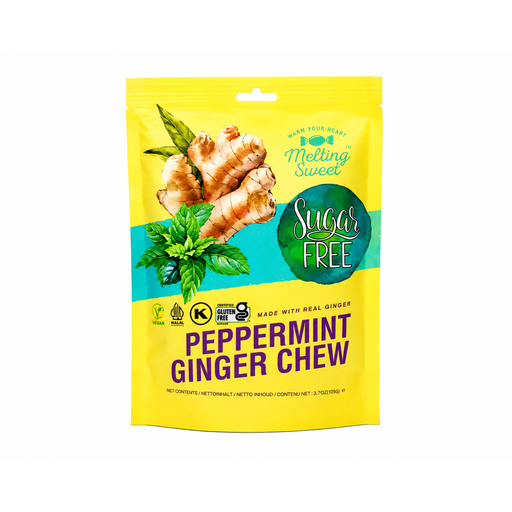 Image unavailable
Worth considering if you’d prefer a chewy sweet to a lozenge after coffee. It combines ginger and peppermint flavours; check the sweeteners and warnings on the packaging.
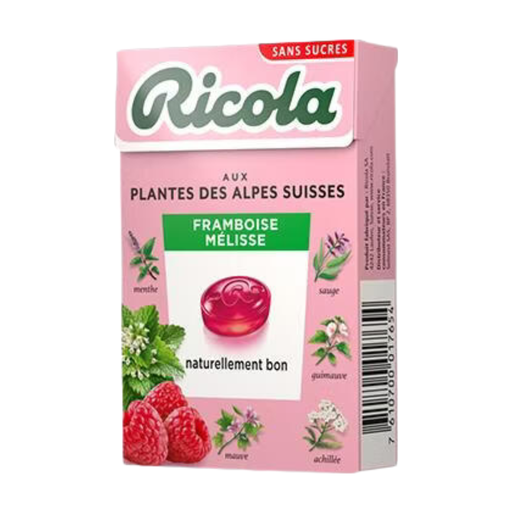 Image unavailable
A pocket-sized option if you’re after raspberry and lemon balm flavours rather than a strong mint taste. Check the ingredients and warnings for this particular variant.
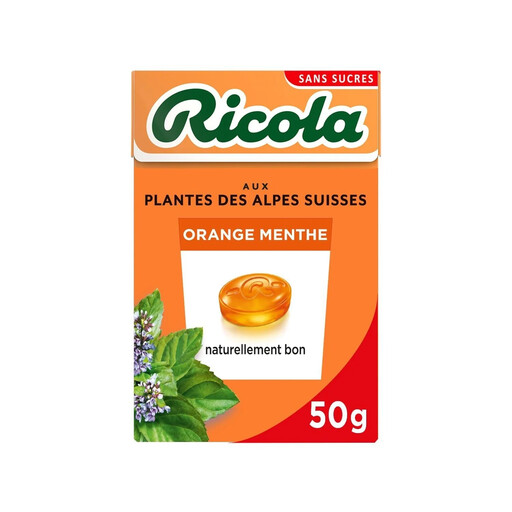 Image unavailable
Worth considering if you’d like a hint of orange with your mint during your coffee break. Compare the ingredients and warnings for this variant with those of other flavours.
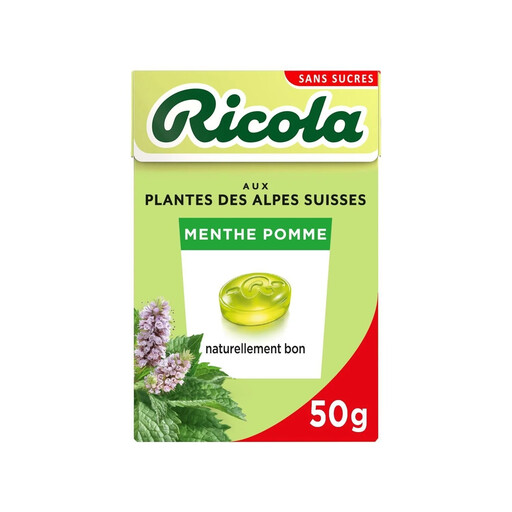 Image unavailable
This variant is a good fit if you prefer apple and mint to orange and mint. Check its own packaging for information about sweeteners and any allergens.
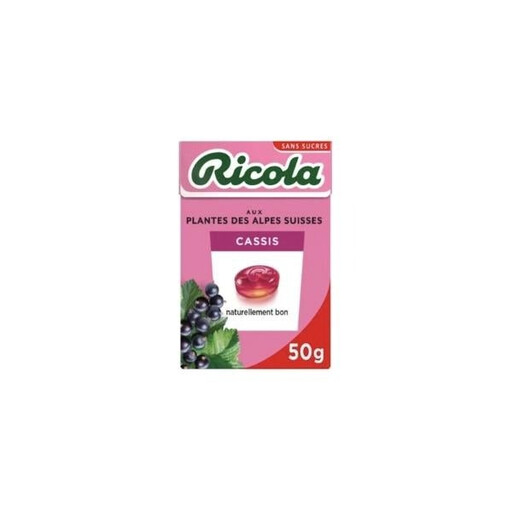 Image unavailable
If blackcurrant appeals to you more than apple and mint or orange and mint, compare this variant by checking its ingredients and the information on its packaging.
No. The DGCCRF says Nutri-Score is optional, while nutrition labelling is compulsory for most prepacked foods. If the logo appears on a pack, you can use it alongside the nutrition information and ingredients.
No. Haribo makes this claim for Croco Baby, but its product information still lists 35 g of sugars per 100 g. If you’re looking for a “sugar-free” product, check the claim on the specific product and read the “of which sugars” figure.
Yes, if the sweeteners used are important to your choice. Recipes vary: Auchan’s product information for a sugar-free caramel lists 90 g of polyols per 100 g. Read the warnings on the packaging too; the warning on Confiseo mint sweets says excessive consumption may have a laxative effect.
Follow the storage instructions on the packaging of the product you buy and close the tin or bag after use. Choose a size that suits the space you have available for storage.