For a Christmas market, first choose sweets whose labelling confirms they are ‘sugar-free’. Then compare recipes by looking at sweeteners, polyols, allergens and packaging. A Nutri-Score, if displayed, can help you compare similar products, but it is voluntary in France and does not replace checking the ingredients or warnings.
Who is this guide for?
Anyone putting together a sugar-free selection
If you’re selling sweets at a Christmas market, check for the ‘sugar-free’ claim and the ‘of which sugars’ figure per 100 g before adding them to your selection. The ingredients list will then help you compare recipes and the sweeteners they contain.
Anyone keeping an eye on polyols
If people might eat several sweets throughout the day, check for polyols and read any warnings on the packaging. E.Leclerc’s product listing for Confiseo herbal sweets warns that excessive consumption may have a laxative effect.
Anyone comparing nutritional information
You can check the Nutri-Score when it appears on a product, but it shouldn’t be your only selection criterion. Santé publique France explains that displaying it is voluntary and that it complements the mandatory nutrition declaration.
What should you check?
For sweets to sell at a Christmas market, start by checking for the ‘sugar-free’ claim. Then look at the ingredients and packaging, depending on how you plan to hand them out.
| Criterion | What to check | Who is it for? |
|---|
| ‘Sugar-free’ claim |
Check the ‘of which sugars’ figure per 100 g and the ingredients list. Under the European regulation on nutrition claims, sweets labelled ‘sugar-free’ must contain no more than 0.5 g of sugars per 100 g. |
If I’m putting together a selection advertised as sugar-free, I want every product to meet that claim. Around 42% of consumers are said to prioritise this check. |
| Polyols and consumption |
Look for polyols and any warning about excessive consumption, particularly if the bag will be shared. |
If sweets are available throughout the day, I take their ingredients into account before offering more. Around 33% of consumers are said to put this question of tolerance first. |
| Packaging and useful information |
Compare the pack size and the allergens listed. Check the Nutri-Score if it is displayed, alongside the nutritional information. |
If I’m handing out individual sweets or putting together a selection, I need suitable packaging and easy-to-read information. Around 25% of consumers are said to prioritise these practical points and useful details. |
What should you avoid?
-
Assuming ‘sugar-free’ means you can eat as many as you like
This claim refers to the sugar content; it doesn’t mean the sweets are free from sweeteners or polyols. Some of the recipes mentioned here contain them.
Read the ingredients and nutritional values per 100 g, then consider how many sweets you plan to offer.
-
Expecting every bag to display a Nutri-Score
Santé publique France says that displaying the Nutri-Score is voluntary in France. Its absence does not, by itself, mean that the nutrition declaration is missing.
If a score appears on the packaging, use it to compare like with like, without overlooking the ingredients and warnings.
-
Overlooking the warning about polyols
E.Leclerc’s product listing for Confiseo herbal sweets states that excessive consumption may have a laxative effect.
Keep the packaging to hand when serving the sweets so everyone can read the ingredients and warnings.
-
Choosing by flavour alone
Auchan’s listing for its sugar-free caramel sweets mentions milk. Flavour alone doesn’t tell you which ingredients you need to take into account.
Check the label for every product and clearly identify recipes containing allergens when you put together your selection.
Brands and retailers to consider
Carrefour Original
Carrefour sells 150 g bags of sugar-free fruity boiled sweets under this brand.
- Carrefour’s product listing includes maltitols and steviol glycosides in the ingredients.
- The ‘sugar-free’ claim doesn’t mean the recipe contains no sweeteners.
Confiseo chez E.Leclerc
E.Leclerc stocks 150 g bags of Confiseo sugar-free herbal boiled sweets.
- E.Leclerc’s product listing displays a Nutri-Score B and states that the sweets contain 0.5 g of sugars per 100 g.
- It warns that excessive consumption may have a laxative effect.
Auchan
Auchan sells its own sugar-free caramel sweets and also stocks Ricola sugar-free sweets.
- Auchan’s caramel sweets listing states that they contain less than 0.5 g of sugars per 100 g.
- This recipe contains milk and 90 g of polyols per 100 g, so check whether it is suitable for the people you’re buying for.
Sugar-free sweets available on Joybuy
This Joybuy selection includes soft ginger sweets and herbal sweets in pocket-sized packs. For a Christmas market, choose between a bag and a pocket-sized pack depending on how you plan to hand them out, then check the ingredients for each variant.
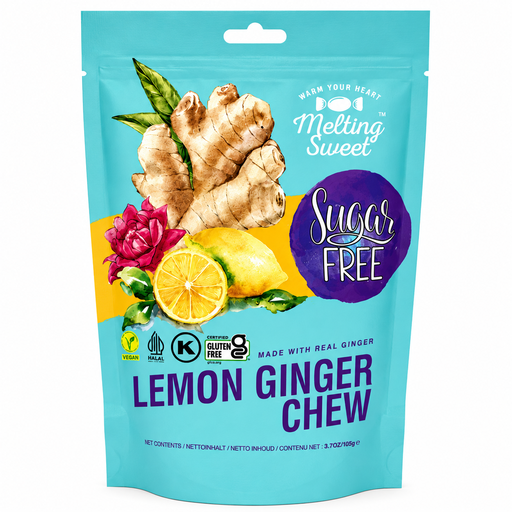 Image unavailable
MELTING SWEET Lemon Ginger Chew sugar-free 105 g
This bag is a good fit if you’re looking for soft lemon and ginger sweets rather than herbal lozenges. If you plan to offer several, check the polyols and how many people may eat.
View on Joybuy
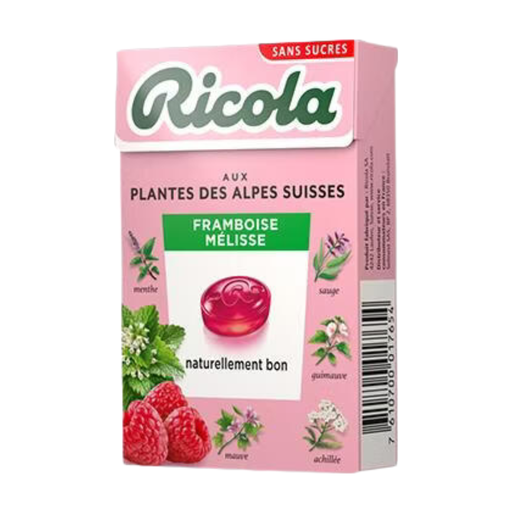 Image unavailable
Ricola Raspberry & Lemon Balm sugar-free 50 g
The pocket tin is handy if you’re looking for a small pack of herbal sweets to offer from time to time. Check the ingredients and take the polyols into account if people may eat several sweets.
View on Joybuy
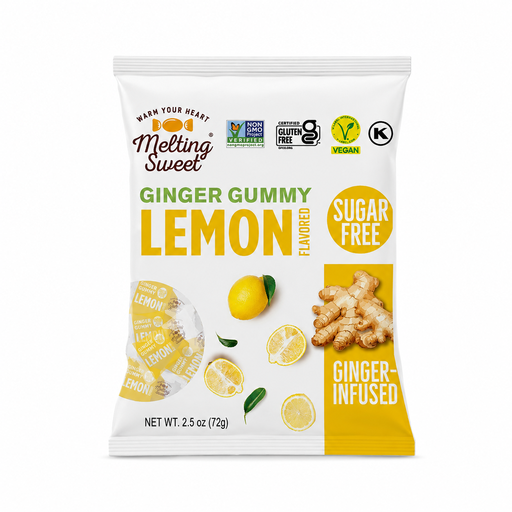 Image unavailable
MELTING SWEET Soft Ginger Gummy sugar-free lemon 72 g
This lemon and ginger variant could work for handing out individually, as it is described as individually wrapped. Check the warning about possible laxative effects from excessive consumption and review the ingredients, including whether they contain coconut.
View on Joybuy
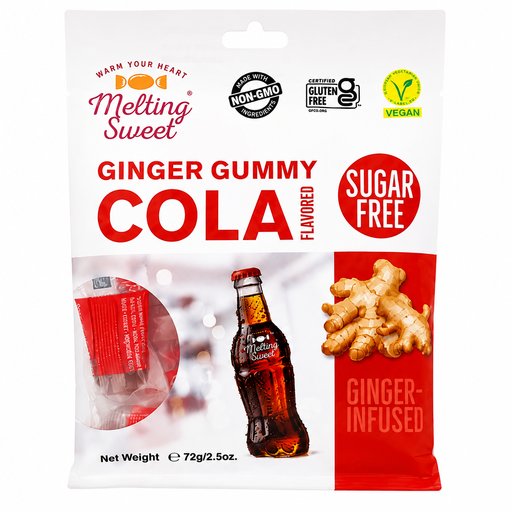 Image unavailable
MELTING SWEET Ginger Gummy sugar-free cola 72 g
This variant combines cola and ginger flavours in a 72 g pack. If you’re putting together a selection to share, check the ingredients and consider the polyols before deciding how many to make available.
View on Joybuy
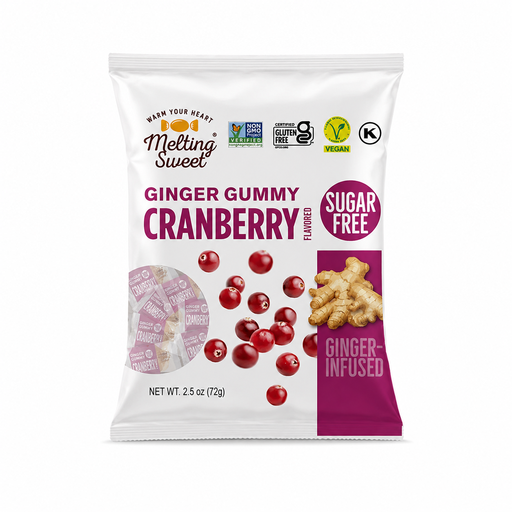 Image unavailable
MELTING SWEET Soft Ginger Gummy sugar-free cranberry 52 g
This cranberry and ginger variant is described as individually wrapped, which is worth considering if you plan to hand them out one at a time. Read the warning about excessive consumption and check the allergen information on the packaging before offering them.
View on Joybuy
Frequently asked questions
Is the Nutri-Score compulsory on sugar-free sweets in France?
No. Santé publique France explains that displaying it is voluntary and that it complements the mandatory nutrition declaration. When choosing sweets, check the nutritional values and ingredients even if a Nutri-Score is shown.
What exactly does ‘sugar-free’ mean on a bag of sweets?
Under the European regulation on nutrition claims, solid sweets carrying this claim must contain no more than 0.5 g of sugars per 100 g. The claim does not mean that the product contains no carbohydrates or sweeteners.
Why should you read the warning about excessive consumption?
Some recipes contain polyols and carry a warning that excessive consumption may have a laxative effect, such as the Confiseo herbal sweets stocked by E.Leclerc. Keep the packaging easy to read if you’re offering these sweets in a shared bag or at a stall.
What should you check before offering these sweets to children?
Keep the packaging so you can check the ingredients and allergen information for each product. The DGCCRF recommends reading confectionery labels to find out what they contain; the ‘sugar-free’ claim is no substitute for this check.


