Anyone decorating Christmas desserts
You’re looking for sweets to place on a dessert just before serving, or to offer on the side, with a “sugar-free” label rather than a claim that they’re simply reduced in sugar.


To serve alongside a Christmas dessert or decorate it just before serving, first choose sweets labelled “sugar-free”, in a shape and with ingredients that suit your needs. Don’t assume they can replace sugar in a cake mixture, caramel or hot icing unless the manufacturer says they’re suitable for that purpose. Also check the polyols, allergens and nutritional information for the exact product you choose.
You’re looking for sweets to place on a dessert just before serving, or to offer on the side, with a “sugar-free” label rather than a claim that they’re simply reduced in sugar.
Before putting together a selection, you check the polyols and allergen information, particularly when several people will be sharing the sweets.
If you’re planning to use them in a cake mixture or melt them into a hot icing, check the instructions for the specific product before using it. A sweet that’s ready to eat isn’t automatically suitable as a substitute ingredient.
Start by distinguishing “sugar-free” from “reduced in sugar”, then choose a shape that works for serving and check the ingredients for the exact product.
| Criterion | What to check | Who is it for? |
|---|---|---|
| “Sugar-free” label | Compare the wording on the front of the pack with the “of which sugars” figure per 100 g. | If I’m specifically looking for sugar-free sweets to serve with my dessert, a product that’s only “reduced in sugar” isn’t what I’m after. Around 40% of consumers put this distinction first. |
| Shape and use | Choose between hard and soft sweets. If you plan to use them in a hot preparation, check the manufacturer’s instructions. | If I’m placing sweets on a cake just before serving, I want a shape that suits the presentation, without assuming it will hold up during baking. This is the top priority for around 30% of consumers. |
| Ingredients | Check the polyols per 100 g, the ingredients and the allergen information. | When several guests are sharing the sweets, I need to be able to take their ingredients and the serving size into account. Around 30% of consumers put this information first. |
Haribo France describes Croco Baby as having 30% less sugar, but it still contains 35 g of sugars per 100 g. So this product isn’t suitable if you’re specifically looking for sugar-free sweets.
Check the exact wording and the “of which sugars” figure for each product before choosing it.
Santé publique France explains that displaying Nutri-Score is voluntary. The DGCCRF states that nutrition information is mandatory for most prepacked foods.
If a Nutri-Score is shown, use it as additional information. Also compare the nutritional values and ingredients list.
Auchan and E.Leclerc product listings describe sugar-free sweets that contain polyols. The listing for Confiseo caramels warns that excessive consumption may have a laxative effect.
Read the ingredients and any warning on the packaging, then consider how many sweets each guest is likely to have.
The ingredients in a sweet that’s ready to eat don’t tell you how it will behave in a cake mixture, caramel or hot icing.
If your recipe involves baking or melting, check that the manufacturer’s instructions for the exact product say it’s suitable before adding it.
Carrefour France offers fruit-flavoured hard sweets labelled “sugar-free” in a 150 g bag.
E.Leclerc lists sugar-free hard caramel sweets for anyone looking for this flavour to serve after a meal.
The range featured by Auchan France includes several flavours of “sugar-free” sweets, including caramel.
Croco Baby is a reduced-sugar jelly sweet, so it shouldn’t be confused with “sugar-free” sweets.
Auchan France offers fruit-flavoured, soft, sugar-free Mentos sweets with a crisp coating for a different texture from hard sweets.
These sugar-free sweets could be served alongside a Christmas dessert or offered just before serving. Before adding them to a hot preparation, check the manufacturer’s instructions for the specific product.
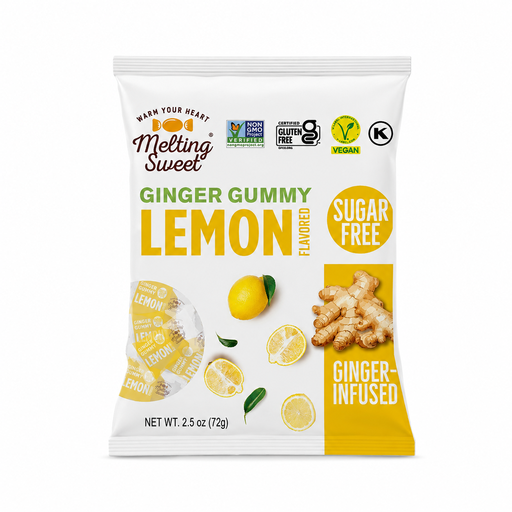 Image unavailable
A soft ginger and lemon option to serve alongside a dessert. The product name states “sugar-free” and the pack size is 72 g. Check the label for ingredients and allergen information.
Before adding these sweets to a cake mixture or hot icing, check with the manufacturer that they’re suitable for that use.
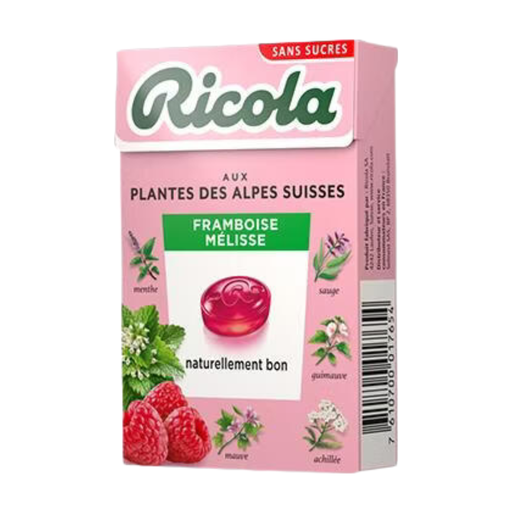 Image unavailable
A pocket tin to consider if you want to offer sweets separately from dessert. The product name states “sugar-free” and the pack size is 50 g. Check the packaging to compare the ingredients and nutritional information.
Don’t assume these sweets can be melted or baked into a recipe.
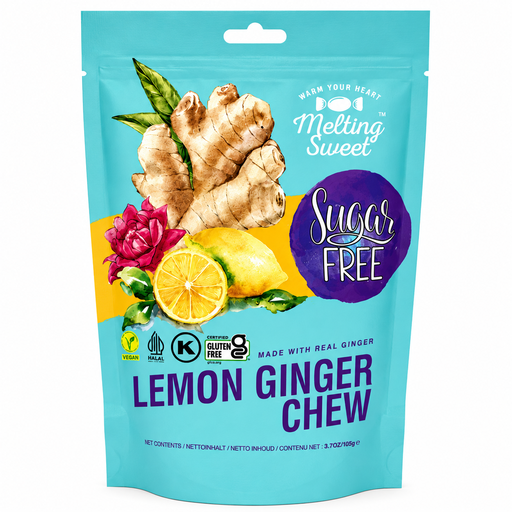 Image unavailable
Another soft lemon and ginger option to serve alongside a cake. The product name states “sugar-free” and the pack size is 105 g. Check the packaging for ingredients, polyols and allergen information.
If your recipe involves baking or melting, first check that this product is suitable for that use.
No. Santé publique France says that displaying it is voluntary. The DGCCRF states that nutrition information is compulsory for most prepacked foods. To compare sweets, check the nutritional values and ingredients list, whether or not a Nutri-Score is shown.
No. Haribo France says Croco Baby contains 30% less sugar, but it still has 35 g of sugars per 100 g. If you’re specifically looking for “sugar-free” sweets, check the wording and nutrition information for the product you choose.
Because the amount you eat matters: the E.Leclerc listing for Confiseo sweets warns that excessive consumption may have a laxative effect. Before serving several sweets to one person, check the ingredients and any warnings on the packaging.